Canister Migration Brings Flexibility to Internet Computer Developers
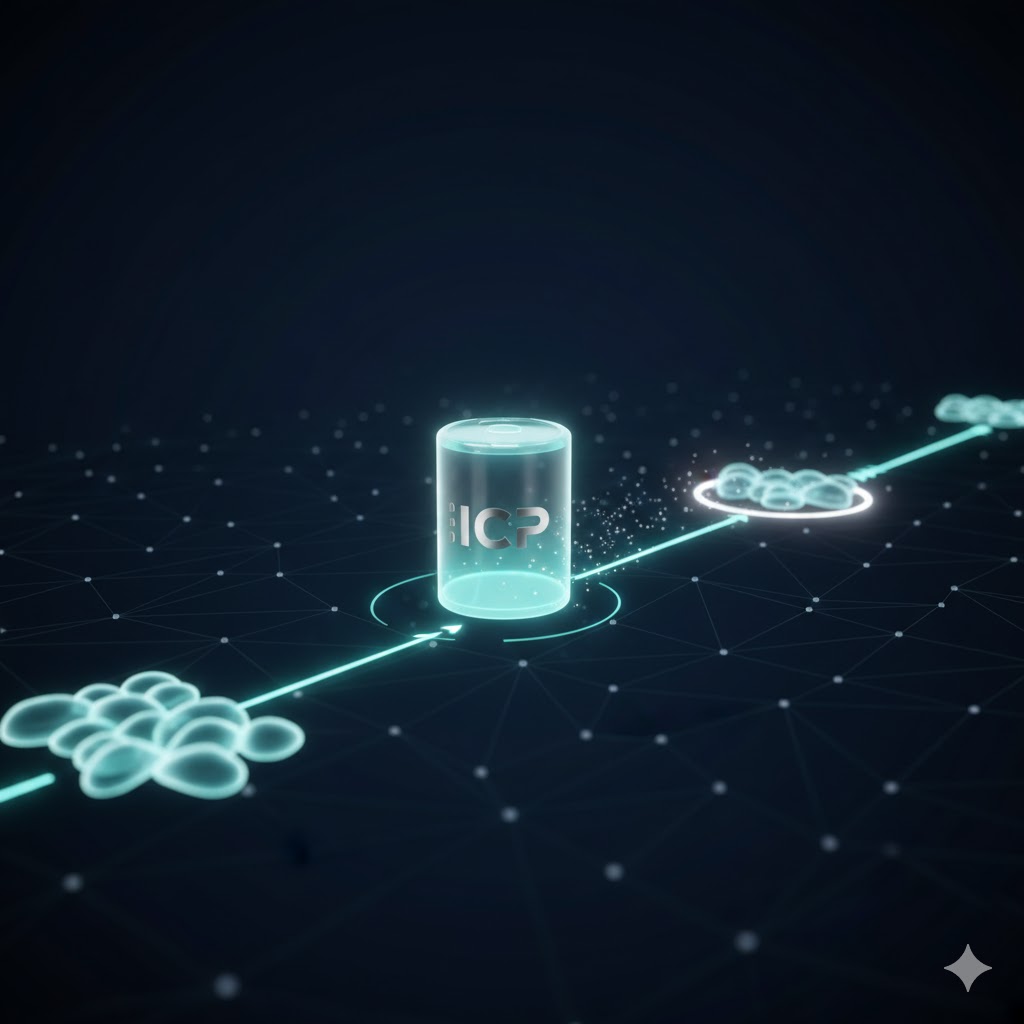
Internet Computer has launched canister migration, a new feature allowing developers to move canisters between subnets while keeping the same canister ID. This enables applications to relocate components without disrupting ongoing interactions or breaking references, offering greater flexibility for building and scaling dapps.
The update has several practical benefits. Canisters that communicate frequently can now be co-located to reduce latency, while developers concerned with security can move canisters to subnets with enhanced protection. It also allows load balancing across the network, as busy subnets can be relieved by relocating canisters to less active nodes. The migration process preserves code, data, and the canister ID, making the transfer seamless once the canister is restarted.
Developers who control a canister can trigger a migration, provided they have the ability to create a new canister on the destination subnet. The process requires stopping both the source and target canisters, transferring the state, updating settings and cycles, and then reassigning the canister ID. Migration typically takes around six minutes, plus additional time for transferring the canister’s data.
Testing is supported in local environments, giving teams a chance to ensure everything works before applying migrations on the main network. While transient data such as logs may not be preserved, the feature is designed to make optimisation and scaling more straightforward, particularly for applications spanning multiple subnets or requiring better latency management.
Overall, canister migration represents a practical tool for developers looking to improve performance, security, and reliability in their Internet Computer projects.