DFINITY prepares ICP cloud engines for AI-powered enterprise applications
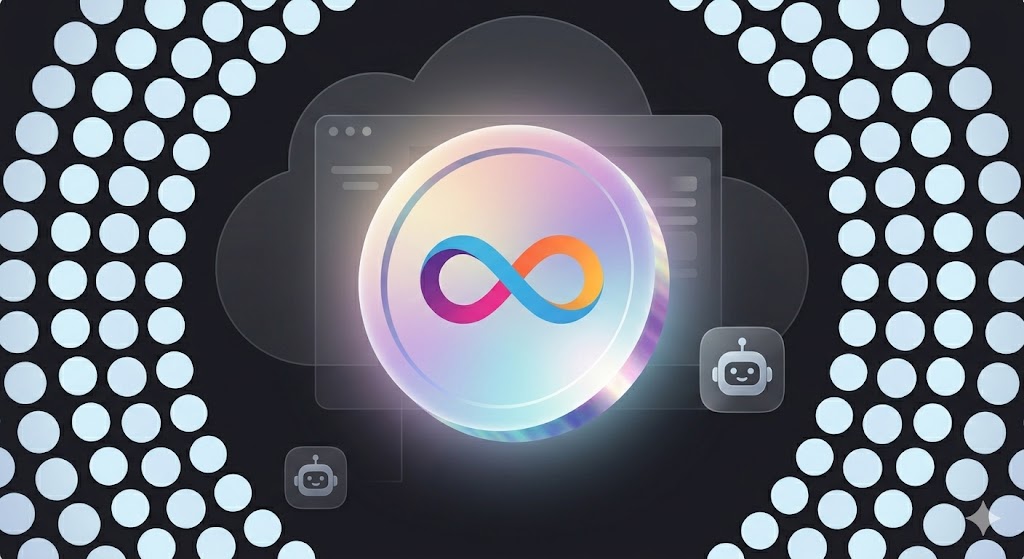
DFINITY is preparing to roll out ICP cloud engines, a new development on the Internet Computer designed to support AI-powered applications and enterprise software, with an initial release plan that includes development incentives, an open-source software suite and wider access for businesses.
The rollout is expected to begin with coupons containing enough computational cycles to create and operate a cloud engine for more than a month. According to the announcement, the initial focus will be on agentic infrastructure, followed by an open SaaS beta and broader adoption of the technology.
Cloud engines are designed to let enterprises create dedicated subnets on the Internet Computer. These subnets would be reserved for individual organisations, giving them control over their infrastructure and configuration while allowing their applications to interact with software running elsewhere on the network.
The Internet Computer uses subnets, which operate as separate blockchain networks hosting canisters, its form of smart-contract-based software. DFINITY says cloud engines will extend this model by allowing businesses to select nodes from a marketplace and use them to create a dedicated computing environment.
The proposed system aims to give organisations greater control over where their software and data reside, while reducing dependence on a single infrastructure provider. DFINITY also says cloud engines can be reconfigured with new nodes without interrupting hosted applications, with the protocol managing the process.
The first phase will focus on what DFINITY calls agentic infrastructure, designed to help AI agents build, maintain and update applications. The announcement argues that conventional technology stacks can make frequent software updates difficult because changes may introduce security vulnerabilities, disrupt system configurations or cause data loss during migrations.
DFINITY says cloud engines could reduce some of these obstacles by running software in a serverless environment, where applications do not require the same operating system and database configuration associated with traditional deployments. It also points to Motoko 2.0, described in the announcement as a programming language targeting AI agents, which is intended to detect potential data-loss risks during application updates and prompt the agent to retry.
The system is also designed to let AI agents work within applications, subject to permissions, so they can access relevant data and functions. This could allow users to ask an agent to analyse information or perform tasks directly within business software, rather than relying on manual processes across multiple applications.
A second phase will introduce Open SaaS, an open-source suite of enterprise applications intended to run on ICP cloud engines. The planned suite includes tools for team management, human resources, accounting, customer relationship management, project management, email, messaging, digital signing and knowledge management.
The announcement says the applications will be free and designed to be installed and managed in a way similar to mobile apps. DFINITY argues that combining these tools on a shared infrastructure could make it easier for businesses to connect their data and use AI across different functions, addressing the fragmentation often associated with separate software-as-a-service subscriptions.
The longer-term ambition is to create an environment where AI agents can interact with enterprise data and software functions to assist with day-to-day operations. DFINITY says this could eventually allow businesses to use conversational instructions to analyse performance and carry out tasks across their organisations. The extent to which this can be achieved will depend on the capabilities of the applications, the quality of their data and the permissions given to AI systems.
The announcement also states that DFINITY is moving its own operations from a range of paid SaaS products to Open SaaS and has already begun seeing benefits. It says a government is using internal production software built on a cloud engine with Caffeine, although it does not identify the government or provide further details about the deployment.
The initial rollout will be gradual, with DFINITY planning to distribute coupons while it tests and refines the network functionality before broader availability. The announcement does not provide a confirmed general release date.
If the planned features work as described, ICP cloud engines could give enterprises another option for running AI-enabled applications on dedicated blockchain infrastructure. However, adoption will depend on practical considerations including reliability, security, performance, integration with existing systems and the costs of running applications at scale.
For the Internet Computer, the initiative represents an attempt to move beyond hosting individual on-chain applications towards providing a broader infrastructure for AI-driven business software. The next stage will be demonstrating how the technology performs as more developers and organisations begin using it.
Dear Reader,
Ledger Life is an independent platform dedicated to covering the Internet Computer (ICP) ecosystem and beyond. We focus on real stories, builder updates, project launches, and the quiet innovations that often get missed.
We’re not backed by sponsors. We rely on readers like you.
If you find value in what we publish—whether it’s deep dives into dApps, explainers on decentralised tech, or just keeping track of what’s moving in Web3—please consider making a donation. It helps us cover costs, stay consistent, and remain truly independent.
Your support goes a long way.
🧠 ICP Principal: ins6i-d53ug-zxmgh-qvum3-r3pvl-ufcvu-bdyon-ovzdy-d26k3-lgq2v-3qe
🧾 ICP Address: f8deb966878f8b83204b251d5d799e0345ea72b8e62e8cf9da8d8830e1b3b05f
Every contribution helps keep the lights on, the stories flowing, and the crypto clutter out.
Thank you for reading, sharing, and being part of this experiment in decentralised media.
—Team Ledger Life