Dominic Williams says Internet Computer remains contender in the world computer race
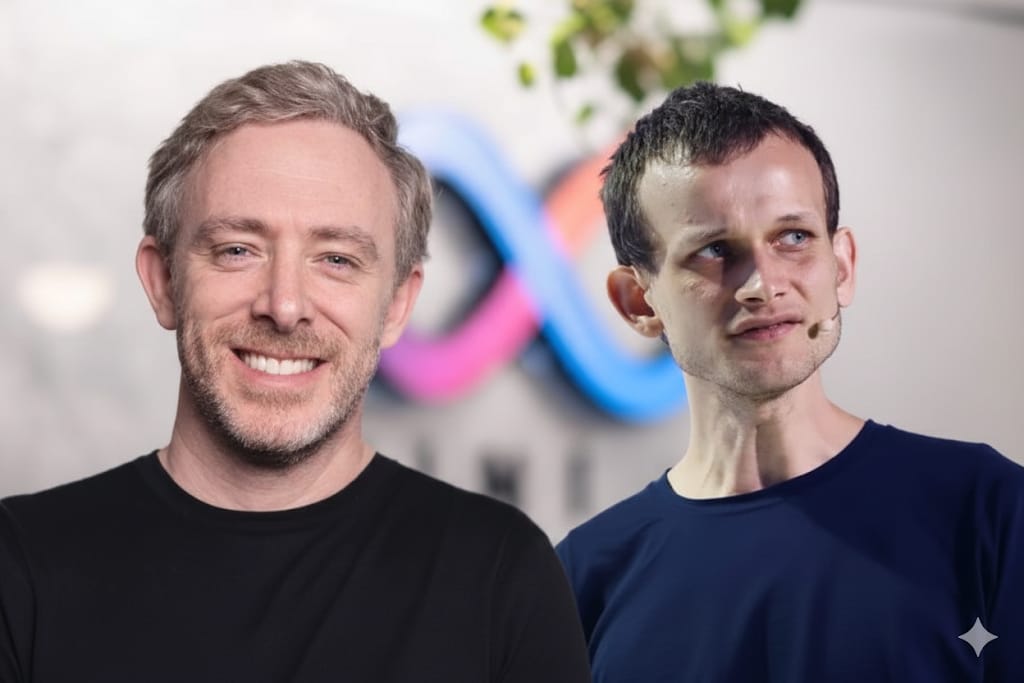
DFINITY founder Dominic Williams has argued that the Internet Computer remains a contender in the race to build a decentralised “world computer”, responding to comments by Ethereum co-founder Vitalik Buterin on Ether’s long-term value proposition.
Buterin outlined why he believes Ethereum should focus on ETH as a store of value rather than placing greater emphasis on its role as a fee-burning token.
He gave three main reasons for this position. Buterin argued that the fee-burning model had not proved as strong as initially expected, and that prioritising it could create pressure on Ethereum’s design in ways that may conflict with decentralisation and resistance to centralised control.
Instead, he said ETH’s value should be supported by Ethereum’s core strengths, particularly decentralisation and what he described as CROPS. He also argued that the network’s stability could become increasingly valuable as artificial intelligence changes the technology sector.
Buterin clarified that he supports retaining EIP-1559 and its fee-burning mechanism, while suggesting that the proportion of ETH burned through fees does not need to reach a particular level for the asset to retain its value.
Responding to the post, Williams said: “I guess that leaves only the Internet Computer in the ‘world computer’ game then, building on hardcore technical work since 2014.”
His response positions the Internet Computer as another contender in the development of decentralised computing infrastructure, drawing attention to the technical work behind the project.
The exchange reflects two different approaches to the future of blockchain networks. Buterin’s comments focus on ETH’s role as a store of value and the importance of Ethereum’s decentralised foundations, while Williams used the discussion to highlight the Internet Computer’s ambitions as a platform for decentralised applications and computing.
However, the comments represent the views of the two project leaders. They do not, on their own, establish which network is better positioned to deliver on the broader idea of a decentralised world computer.