Gold faces sharpest volatility in decades as bond market adds pressure
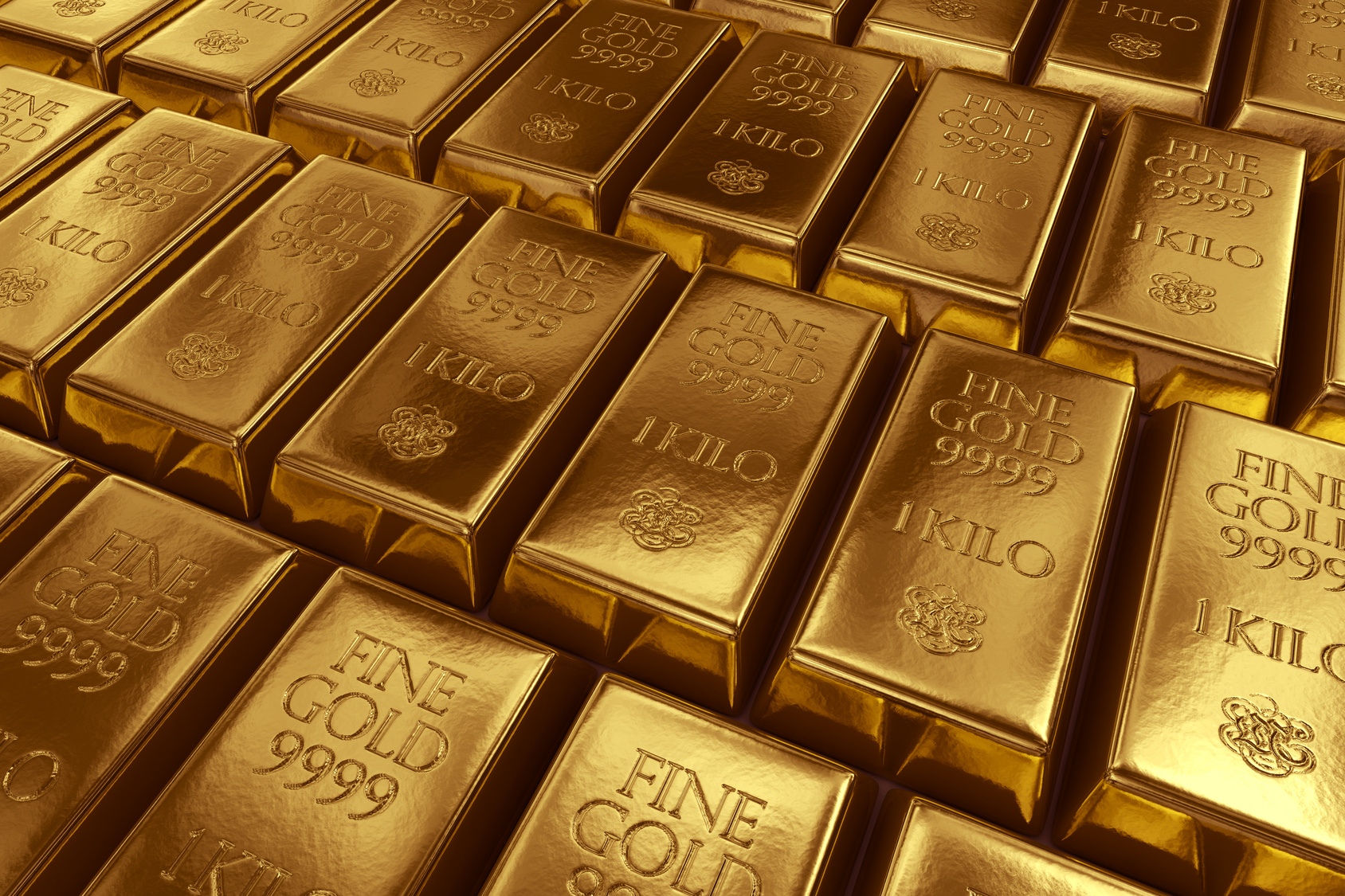
Gold futures are experiencing an unusually volatile year, with sharp daily falls becoming more frequent as movements in the bond market add pressure to the precious metal.
Gold futures have recorded seven trading sessions this year in which prices fell by 3.5 per cent or more, according to the data provided. That is the highest annual count since 2008 and more than double the three such sessions recorded during 2025.
The historical comparison is even more striking. Gold futures recorded 33 daily declines of at least 3.5 per cent in 1980, the highest annual number in the data, while 1982 was the last year to record a higher level of volatility than the current pace.
With three months of trading still remaining in 2026, the figures point to the year becoming the most volatile for gold futures since 1982, based on the number of sessions with declines of 3.5 per cent or more.
The price performance has also marked a sharp change from the previous year. Gold futures are down 5.4 per cent year to date and are on course for their first annual decline since 2022.
That follows a particularly strong period for the precious metal. Gold recorded its best annual performance since 1979 before the current reversal, leaving investors facing a very different market environment in 2026.
Movements in the bond market have been an important factor behind some of the recent volatility. Changes in bond yields and expectations around interest rates can affect the relative appeal of gold, which does not generate interest income.
The relationship is particularly relevant when government bond yields move sharply, as investors reassess the return available from interest-bearing assets alongside the role of gold as a store of value.
The recent swings show how quickly sentiment in the gold market can change. While gold has historically attracted demand during periods of economic and financial uncertainty, its price can also experience substantial declines when interest rates, bond yields and broader market expectations shift.
The seven sessions of falls of 3.5 per cent or more recorded so far this year highlight the scale of the daily price movements, although the full-year volatility picture will not be clear until 2026 trading is complete.