ICP Agent Kit Offers Natural Language Interface for Blockchain Tasks
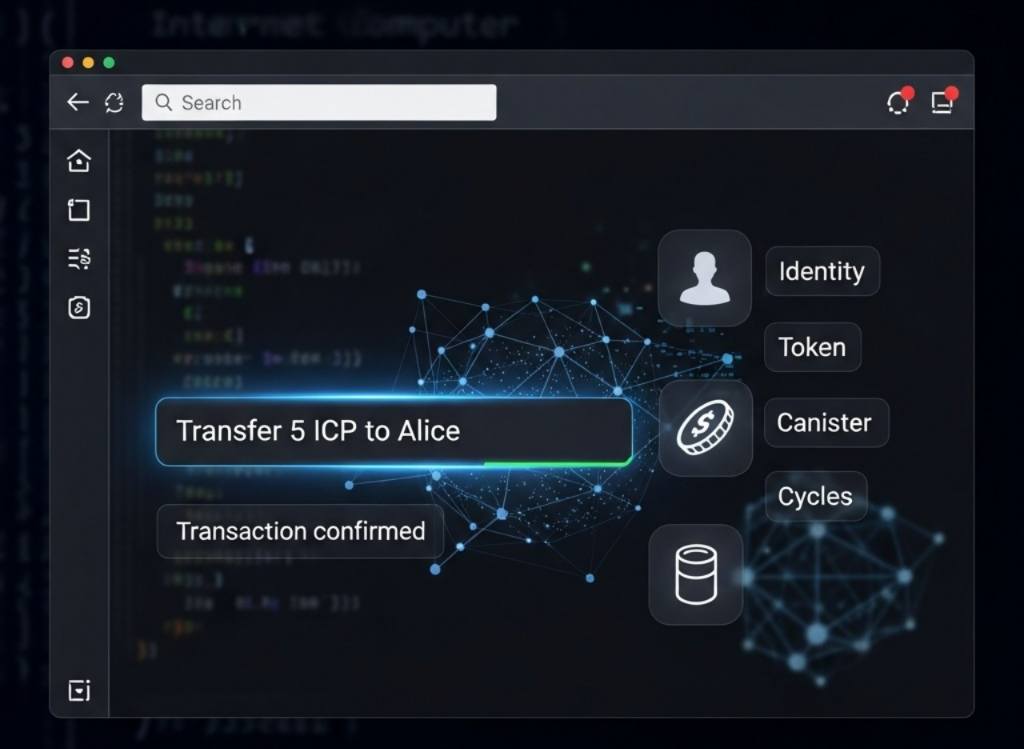
A new toolkit built for the Internet Computer is aiming to make blockchain interactions more human-friendly. Called the ICP Agent Kit, the open-source project allows users to carry out common Internet Computer operations using simple English prompts, such as “transfer 5 ICP to alice” or “check my canister’s cycles balance”. It’s designed with developers, DeFi users and AI builders in mind, particularly those who want to streamline Web3 workflows without writing direct blockchain code.

The project takes advantage of Internet Computer’s infrastructure to offer fully on-chain functionality while keeping the user experience accessible. Unlike traditional Web2 APIs, which usually involve intermediaries and login credentials, the ICP Agent Kit offers direct access to on-chain functions without custodial layers, API keys or rate limitations.

Built in TypeScript, the toolkit integrates official DFINITY packages alongside OpenAI’s GPT-4 and LangChain for its language processing layer. Its architecture is plugin-based, currently covering Identity, Token, Canister and Cycles functionality. Users can interact via both standard API calls and natural language, depending on preference or context. The system is designed to recognise network environments such as mainnet or local deployments, and includes type-safe error handling to improve reliability during development.

For those who’ve already worked with LangChain or other AI toolkits, the integration should feel familiar. The project includes ten LangChain tools specifically aimed at converting user prompts into executable blockchain tasks on the Internet Computer. These are backed by 123 unit tests and a growing suite of integration tests, suggesting a strong focus on developer confidence and functionality from the outset.

By tying in with Internet Computer’s distinct features—such as HTTP outcalls, chain-key cryptography, and its cycles-based computation model—the kit opens up possibilities for persistent, autonomous agents. This includes automated token actions, real-time smart contract interaction, and the building blocks for agent-based DeFi tooling.

The project has been publicly launched, and is now prioritising developer adoption and early feedback. Documentation is already available online, covering the plugins, architecture, and integration with LangChain. The GitHub repository is active and maintained by the original developers.

In terms of next steps, the team behind the ICP Agent Kit plans to expand its plugin system. New modules are expected to include support for Internet Computer’s NNS governance system, more advanced AI agents focused on DeFi and dev tasks, and features aimed at enterprises such as improved monitoring and cross-chain capability. Longer term, the roadmap includes multi-chain support and deeper connections with other ICP-native projects.

Outreach is being shaped around educational content, community engagement and visibility at developer events. With the Internet Computer ecosystem continuing to build momentum in infrastructure-focused tools, the ICP Agent Kit adds a new interface layer that’s trying to reduce complexity without giving up control. Whether the broader developer base sees it as essential will depend on how quickly it can integrate into day-to-day build routines. For now, the early offering puts emphasis on clarity, usability and giving developers new ways to build on-chain with less friction.

More details, documentation, and examples are available on the official site https://icp-agent.com, with full source code at https://github.com/justmert/icp-agent-kit.


Dear Reader,

Ledger Life is an independent platform dedicated to covering the Internet Computer (ICP) ecosystem and beyond. We focus on real stories, builder updates, project launches, and the quiet innovations that often get missed.

We’re not backed by sponsors. We rely on readers like you.

If you find value in what we publish—whether it’s deep dives into dApps, explainers on decentralised tech, or just keeping track of what’s moving in Web3—please consider making a donation. It helps us cover costs, stay consistent, and remain truly independent.

Your support goes a long way.

🧠 ICP Principal: ins6i-d53ug-zxmgh-qvum3-r3pvl-ufcvu-bdyon-ovzdy-d26k3-lgq2v-3qe

🧾 ICP Address: f8deb966878f8b83204b251d5d799e0345ea72b8e62e8cf9da8d8830e1b3b05f

🪙 BTC Wallet: bc1pp5kuez9r2atdmrp4jmu6fxersny4uhnaxyrxau4dg7365je8sy2q9zff6p

Every contribution helps keep the lights on, the stories flowing, and the crypto clutter out.

Thank you for reading, sharing, and being part of this experiment in decentralised media.
—Team Ledger Life

LEAVE A REPLY

Please enter your comment!
Please enter your name here

More like this

Dominic Williams challenges LayerZero’s “onchain cloud” claims over Zero’s...

Dominic Williams, founder of the Internet Computer, has criticised marketing claims around LayerZero’s upcoming network, Zero, arguing...

Bitcoin DeFi Firm Liquidium Explains How ICP Integration Smooths...

Liquidium’s chief executive, Robin Obermaier, discussed how the company uses technology from the Internet Computer Protocol (ICP)...

ICP Technology Continues to Feature in Cambodia’s Development Plans

The Internet Computer Protocol is steadily gaining traction in Asia as governments explore blockchain and sovereign cloud...

A new toolkit built for the Internet Computer is aiming to make blockchain interactions more human-friendly. Called the ICP Agent Kit, the open-source project allows users to carry out common Internet Computer operations using simple English prompts, such as “transfer 5 ICP to alice” or “check my canister’s cycles balance”. It’s designed with developers, DeFi users and AI builders in mind, particularly those who want to streamline Web3 workflows without writing direct blockchain code.

The project takes advantage of Internet Computer’s infrastructure to offer fully on-chain functionality while keeping the user experience accessible. Unlike traditional Web2 APIs, which usually involve intermediaries and login credentials, the ICP Agent Kit offers direct access to on-chain functions without custodial layers, API keys or rate limitations.

Built in TypeScript, the toolkit integrates official DFINITY packages alongside OpenAI’s GPT-4 and LangChain for its language processing layer. Its architecture is plugin-based, currently covering Identity, Token, Canister and Cycles functionality. Users can interact via both standard API calls and natural language, depending on preference or context. The system is designed to recognise network environments such as mainnet or local deployments, and includes type-safe error handling to improve reliability during development.

For those who’ve already worked with LangChain or other AI toolkits, the integration should feel familiar. The project includes ten LangChain tools specifically aimed at converting user prompts into executable blockchain tasks on the Internet Computer. These are backed by 123 unit tests and a growing suite of integration tests, suggesting a strong focus on developer confidence and functionality from the outset.

By tying in with Internet Computer’s distinct features—such as HTTP outcalls, chain-key cryptography, and its cycles-based computation model—the kit opens up possibilities for persistent, autonomous agents. This includes automated token actions, real-time smart contract interaction, and the building blocks for agent-based DeFi tooling.

The project has been publicly launched, and is now prioritising developer adoption and early feedback. Documentation is already available online, covering the plugins, architecture, and integration with LangChain. The GitHub repository is active and maintained by the original developers.

In terms of next steps, the team behind the ICP Agent Kit plans to expand its plugin system. New modules are expected to include support for Internet Computer’s NNS governance system, more advanced AI agents focused on DeFi and dev tasks, and features aimed at enterprises such as improved monitoring and cross-chain capability. Longer term, the roadmap includes multi-chain support and deeper connections with other ICP-native projects.

Outreach is being shaped around educational content, community engagement and visibility at developer events. With the Internet Computer ecosystem continuing to build momentum in infrastructure-focused tools, the ICP Agent Kit adds a new interface layer that’s trying to reduce complexity without giving up control. Whether the broader developer base sees it as essential will depend on how quickly it can integrate into day-to-day build routines. For now, the early offering puts emphasis on clarity, usability and giving developers new ways to build on-chain with less friction.

More details, documentation, and examples are available on the official site https://icp-agent.com, with full source code at https://github.com/justmert/icp-agent-kit.


Dear Reader,

Ledger Life is an independent platform dedicated to covering the Internet Computer (ICP) ecosystem and beyond. We focus on real stories, builder updates, project launches, and the quiet innovations that often get missed.

We’re not backed by sponsors. We rely on readers like you.

If you find value in what we publish—whether it’s deep dives into dApps, explainers on decentralised tech, or just keeping track of what’s moving in Web3—please consider making a donation. It helps us cover costs, stay consistent, and remain truly independent.

Your support goes a long way.

🧠 ICP Principal: ins6i-d53ug-zxmgh-qvum3-r3pvl-ufcvu-bdyon-ovzdy-d26k3-lgq2v-3qe

🧾 ICP Address: f8deb966878f8b83204b251d5d799e0345ea72b8e62e8cf9da8d8830e1b3b05f

🪙 BTC Wallet: bc1pp5kuez9r2atdmrp4jmu6fxersny4uhnaxyrxau4dg7365je8sy2q9zff6p

Every contribution helps keep the lights on, the stories flowing, and the crypto clutter out.

Thank you for reading, sharing, and being part of this experiment in decentralised media.
—Team Ledger Life

LEAVE A REPLY

Please enter your comment!
Please enter your name here

More like this

Dominic Williams challenges LayerZero’s “onchain cloud” claims over Zero’s...

Dominic Williams, founder of the Internet Computer, has criticised marketing claims around LayerZero’s upcoming network, Zero, arguing...

Bitcoin DeFi Firm Liquidium Explains How ICP Integration Smooths...

Liquidium’s chief executive, Robin Obermaier, discussed how the company uses technology from the Internet Computer Protocol (ICP)...

ICP Technology Continues to Feature in Cambodia’s Development Plans

The Internet Computer Protocol is steadily gaining traction in Asia as governments explore blockchain and sovereign cloud...

A new toolkit built for the Internet Computer is aiming to make blockchain interactions more human-friendly. Called the ICP Agent Kit, the open-source project allows users to carry out common Internet Computer operations using simple English prompts, such as “transfer 5 ICP to alice” or “check my canister’s cycles balance”. It’s designed with developers, DeFi users and AI builders in mind, particularly those who want to streamline Web3 workflows without writing direct blockchain code.

The project takes advantage of Internet Computer’s infrastructure to offer fully on-chain functionality while keeping the user experience accessible. Unlike traditional Web2 APIs, which usually involve intermediaries and login credentials, the ICP Agent Kit offers direct access to on-chain functions without custodial layers, API keys or rate limitations.

Built in TypeScript, the toolkit integrates official DFINITY packages alongside OpenAI’s GPT-4 and LangChain for its language processing layer. Its architecture is plugin-based, currently covering Identity, Token, Canister and Cycles functionality. Users can interact via both standard API calls and natural language, depending on preference or context. The system is designed to recognise network environments such as mainnet or local deployments, and includes type-safe error handling to improve reliability during development.

For those who’ve already worked with LangChain or other AI toolkits, the integration should feel familiar. The project includes ten LangChain tools specifically aimed at converting user prompts into executable blockchain tasks on the Internet Computer. These are backed by 123 unit tests and a growing suite of integration tests, suggesting a strong focus on developer confidence and functionality from the outset.

By tying in with Internet Computer’s distinct features—such as HTTP outcalls, chain-key cryptography, and its cycles-based computation model—the kit opens up possibilities for persistent, autonomous agents. This includes automated token actions, real-time smart contract interaction, and the building blocks for agent-based DeFi tooling.

The project has been publicly launched, and is now prioritising developer adoption and early feedback. Documentation is already available online, covering the plugins, architecture, and integration with LangChain. The GitHub repository is active and maintained by the original developers.

In terms of next steps, the team behind the ICP Agent Kit plans to expand its plugin system. New modules are expected to include support for Internet Computer’s NNS governance system, more advanced AI agents focused on DeFi and dev tasks, and features aimed at enterprises such as improved monitoring and cross-chain capability. Longer term, the roadmap includes multi-chain support and deeper connections with other ICP-native projects.

Outreach is being shaped around educational content, community engagement and visibility at developer events. With the Internet Computer ecosystem continuing to build momentum in infrastructure-focused tools, the ICP Agent Kit adds a new interface layer that’s trying to reduce complexity without giving up control. Whether the broader developer base sees it as essential will depend on how quickly it can integrate into day-to-day build routines. For now, the early offering puts emphasis on clarity, usability and giving developers new ways to build on-chain with less friction.

More details, documentation, and examples are available on the official site https://icp-agent.com, with full source code at https://github.com/justmert/icp-agent-kit.


Dear Reader,

Ledger Life is an independent platform dedicated to covering the Internet Computer (ICP) ecosystem and beyond. We focus on real stories, builder updates, project launches, and the quiet innovations that often get missed.

We’re not backed by sponsors. We rely on readers like you.

If you find value in what we publish—whether it’s deep dives into dApps, explainers on decentralised tech, or just keeping track of what’s moving in Web3—please consider making a donation. It helps us cover costs, stay consistent, and remain truly independent.

Your support goes a long way.

🧠 ICP Principal: ins6i-d53ug-zxmgh-qvum3-r3pvl-ufcvu-bdyon-ovzdy-d26k3-lgq2v-3qe

🧾 ICP Address: f8deb966878f8b83204b251d5d799e0345ea72b8e62e8cf9da8d8830e1b3b05f

🪙 BTC Wallet: bc1pp5kuez9r2atdmrp4jmu6fxersny4uhnaxyrxau4dg7365je8sy2q9zff6p

Every contribution helps keep the lights on, the stories flowing, and the crypto clutter out.

Thank you for reading, sharing, and being part of this experiment in decentralised media.
—Team Ledger Life

LEAVE A REPLY

Please enter your comment!
Please enter your name here

More like this

Dominic Williams challenges LayerZero’s “onchain cloud” claims over Zero’s...

Dominic Williams, founder of the Internet Computer, has criticised marketing claims around LayerZero’s upcoming network, Zero, arguing...

Bitcoin DeFi Firm Liquidium Explains How ICP Integration Smooths...

Liquidium’s chief executive, Robin Obermaier, discussed how the company uses technology from the Internet Computer Protocol (ICP)...

ICP Technology Continues to Feature in Cambodia’s Development Plans

The Internet Computer Protocol is steadily gaining traction in Asia as governments explore blockchain and sovereign cloud...

A new toolkit built for the Internet Computer is aiming to make blockchain interactions more human-friendly. Called the ICP Agent Kit, the open-source project allows users to carry out common Internet Computer operations using simple English prompts, such as “transfer 5 ICP to alice” or “check my canister’s cycles balance”. It’s designed with developers, DeFi users and AI builders in mind, particularly those who want to streamline Web3 workflows without writing direct blockchain code.

The project takes advantage of Internet Computer’s infrastructure to offer fully on-chain functionality while keeping the user experience accessible. Unlike traditional Web2 APIs, which usually involve intermediaries and login credentials, the ICP Agent Kit offers direct access to on-chain functions without custodial layers, API keys or rate limitations.

Built in TypeScript, the toolkit integrates official DFINITY packages alongside OpenAI’s GPT-4 and LangChain for its language processing layer. Its architecture is plugin-based, currently covering Identity, Token, Canister and Cycles functionality. Users can interact via both standard API calls and natural language, depending on preference or context. The system is designed to recognise network environments such as mainnet or local deployments, and includes type-safe error handling to improve reliability during development.

For those who’ve already worked with LangChain or other AI toolkits, the integration should feel familiar. The project includes ten LangChain tools specifically aimed at converting user prompts into executable blockchain tasks on the Internet Computer. These are backed by 123 unit tests and a growing suite of integration tests, suggesting a strong focus on developer confidence and functionality from the outset.

By tying in with Internet Computer’s distinct features—such as HTTP outcalls, chain-key cryptography, and its cycles-based computation model—the kit opens up possibilities for persistent, autonomous agents. This includes automated token actions, real-time smart contract interaction, and the building blocks for agent-based DeFi tooling.

The project has been publicly launched, and is now prioritising developer adoption and early feedback. Documentation is already available online, covering the plugins, architecture, and integration with LangChain. The GitHub repository is active and maintained by the original developers.

In terms of next steps, the team behind the ICP Agent Kit plans to expand its plugin system. New modules are expected to include support for Internet Computer’s NNS governance system, more advanced AI agents focused on DeFi and dev tasks, and features aimed at enterprises such as improved monitoring and cross-chain capability. Longer term, the roadmap includes multi-chain support and deeper connections with other ICP-native projects.

Outreach is being shaped around educational content, community engagement and visibility at developer events. With the Internet Computer ecosystem continuing to build momentum in infrastructure-focused tools, the ICP Agent Kit adds a new interface layer that’s trying to reduce complexity without giving up control. Whether the broader developer base sees it as essential will depend on how quickly it can integrate into day-to-day build routines. For now, the early offering puts emphasis on clarity, usability and giving developers new ways to build on-chain with less friction.

More details, documentation, and examples are available on the official site https://icp-agent.com, with full source code at https://github.com/justmert/icp-agent-kit.


Dear Reader,

Ledger Life is an independent platform dedicated to covering the Internet Computer (ICP) ecosystem and beyond. We focus on real stories, builder updates, project launches, and the quiet innovations that often get missed.

We’re not backed by sponsors. We rely on readers like you.

If you find value in what we publish—whether it’s deep dives into dApps, explainers on decentralised tech, or just keeping track of what’s moving in Web3—please consider making a donation. It helps us cover costs, stay consistent, and remain truly independent.

Your support goes a long way.

🧠 ICP Principal: ins6i-d53ug-zxmgh-qvum3-r3pvl-ufcvu-bdyon-ovzdy-d26k3-lgq2v-3qe

🧾 ICP Address: f8deb966878f8b83204b251d5d799e0345ea72b8e62e8cf9da8d8830e1b3b05f

🪙 BTC Wallet: bc1pp5kuez9r2atdmrp4jmu6fxersny4uhnaxyrxau4dg7365je8sy2q9zff6p

Every contribution helps keep the lights on, the stories flowing, and the crypto clutter out.

Thank you for reading, sharing, and being part of this experiment in decentralised media.
—Team Ledger Life

LEAVE A REPLY

Please enter your comment!
Please enter your name here

More like this

Dominic Williams challenges LayerZero’s “onchain cloud” claims over Zero’s...

Dominic Williams, founder of the Internet Computer, has criticised marketing claims around LayerZero’s upcoming network, Zero, arguing...

Bitcoin DeFi Firm Liquidium Explains How ICP Integration Smooths...

Liquidium’s chief executive, Robin Obermaier, discussed how the company uses technology from the Internet Computer Protocol (ICP)...

ICP Technology Continues to Feature in Cambodia’s Development Plans

The Internet Computer Protocol is steadily gaining traction in Asia as governments explore blockchain and sovereign cloud...