ICPay promotes direct donations to Nepal flood relief fund
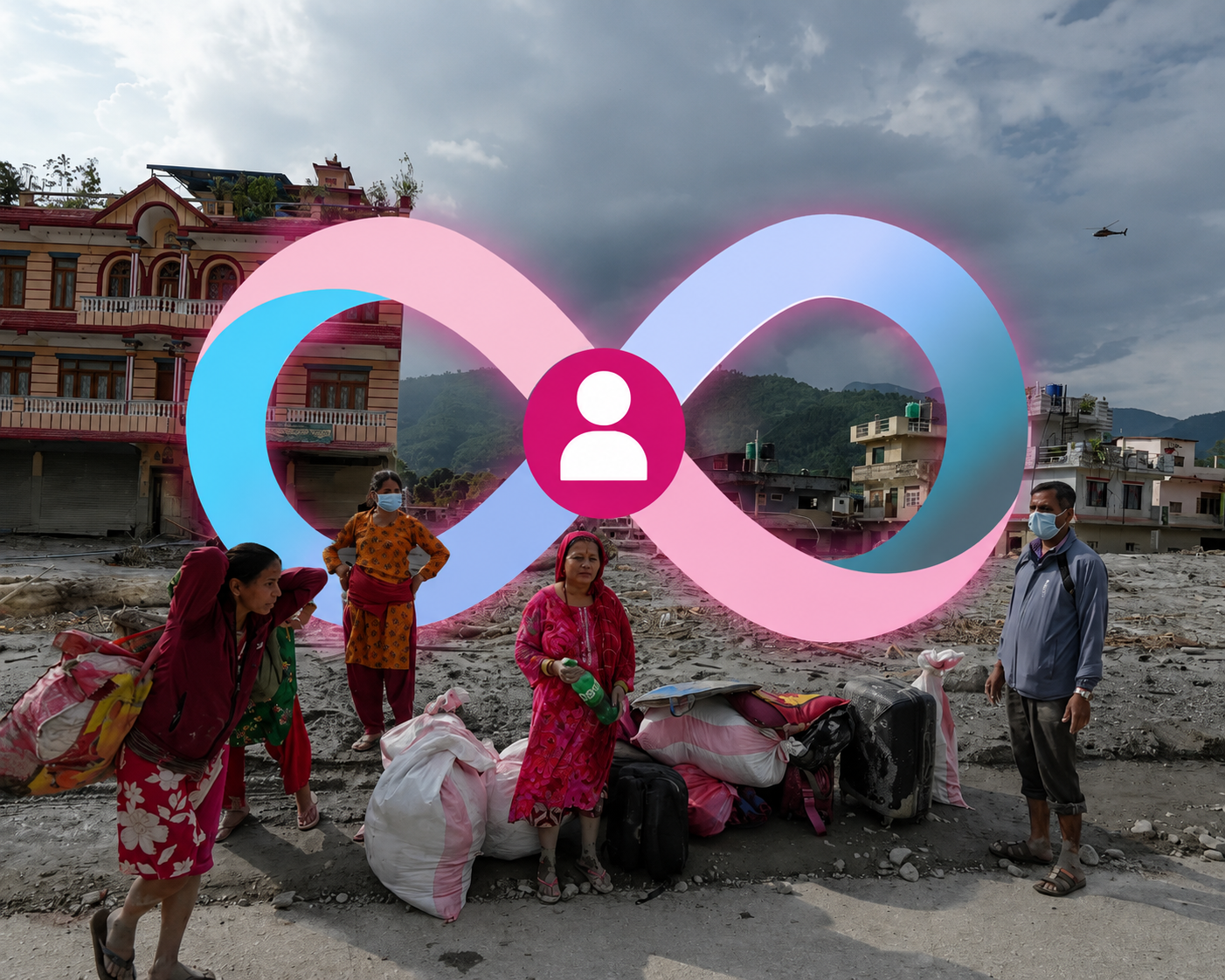
ICPay is directing users seeking to support relief efforts following the Nepal-Tibet floods to the Government of Nepal’s Prime Minister Disaster Relief Fund, while stressing that it does not collect or hold donations itself.
The platform has published official government QR codes for payment services including NepalPay, Fonepay, UPI and eSewa, and is directing users to the government’s online relief portal for other forms of payment.
The appeal follows the catastrophic flooding and landslides that struck the Nepal-Tibet border region on 26 August after a glacial collapse sent water, rock, ice and debris through river valleys.
The disaster has killed hundreds of people and left thousands unaccounted for across Nepal and Tibet. Figures have continued to change as rescue teams reach previously inaccessible areas. Reuters reported on 30 August that around 750 people had died and more than 3,000 remained missing, while Chinese authorities reported 16 deaths and 546 missing in Tibet.
Rescue operations have continued across Nepal’s Rasuwa district and the Trishuli corridor, as well as around the Gyirong border area on the Chinese side. Damaged roads, bridges, unstable terrain and the scale of the debris have complicated access to affected communities.
Nepali authorities have also been searching hydropower facilities where workers were reported missing or trapped following the flooding. International assistance has included technical and humanitarian support as authorities work to locate survivors and recover those who died.
The flooding was triggered by a glacial collapse high in the Himalayas. Geological assessments reported by international media indicate that an ice and rock avalanche entered the river system, with the resulting debris and water producing a rapid surge downstream. Scientists have cautioned that it is too early to establish precisely how climate change contributed to this particular event, although Himalayan glaciers are experiencing rapid warming and ice loss.
The scale of the disaster has also affected foreign nationals travelling in the region, including pilgrims and trekkers heading towards Tibet. The Nepal Department of Tourism reported hundreds of foreign nationals among those who remained out of contact.
ICPay said its role is limited to publishing the official government payment information and that donations are made directly to the designated relief fund rather than through the platform.
People considering making a contribution are advised to verify payment details and the amount and currency before completing a transaction. The platform recommends using the official Government of Nepal portal for international donations, card payments and SWIFT transfers.
Dear Reader,
Ledger Life is an independent platform dedicated to covering the Internet Computer (ICP) ecosystem and beyond. We focus on real stories, builder updates, project launches, and the quiet innovations that often get missed.
We’re not backed by sponsors. We rely on readers like you.
If you find value in what we publish—whether it’s deep dives into dApps, explainers on decentralised tech, or just keeping track of what’s moving in Web3—please consider making a donation. It helps us cover costs, stay consistent, and remain truly independent.
Your support goes a long way.
🧠 ICP Principal: ins6i-d53ug-zxmgh-qvum3-r3pvl-ufcvu-bdyon-ovzdy-d26k3-lgq2v-3qe
🧾 ICP Address: f8deb966878f8b83204b251d5d799e0345ea72b8e62e8cf9da8d8830e1b3b05f
Every contribution helps keep the lights on, the stories flowing, and the crypto clutter out.
Thank you for reading, sharing, and being part of this experiment in decentralised media.
—Team Ledger Life