Internet Computer Faces Fresh Attack as ckBTC Canister Taken Offline for Upgrade
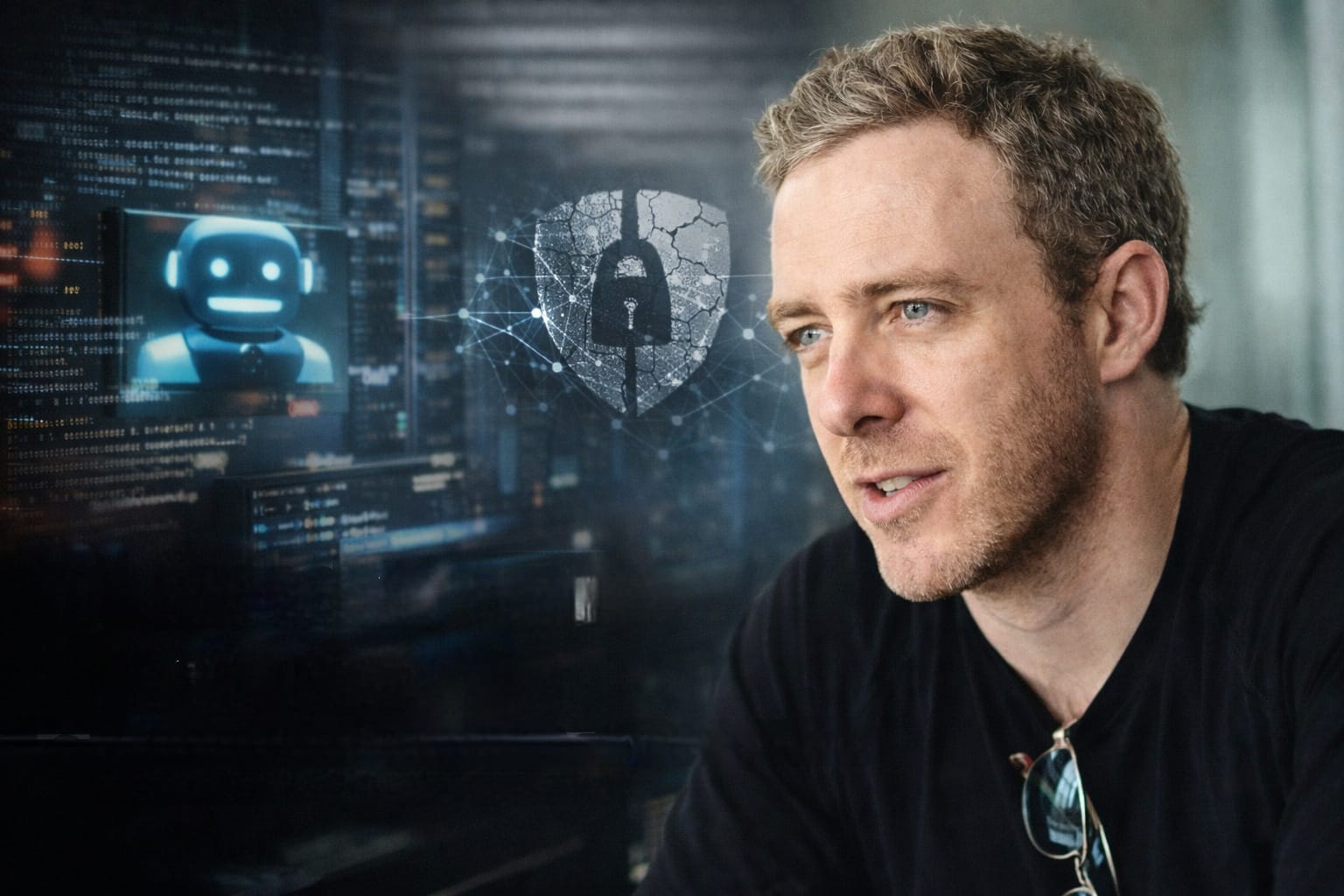
The Internet Computer network has faced another reported attack, with the latest incident targeting the canisters responsible for minting ckBTC, according to DFINITY Foundation founder and chief scientist Dominic Williams.
In a post on X, Williams said the attackers spent thousands of dollars on ICP tokens during the latest attempt but caused only limited disruption. He said the network’s Network Nervous System (NNS), its governance and network management mechanism, took the affected ckBTC canister offline for an upgrade after the attack exposed areas where additional security hardening was needed.
Williams said the resulting downtime lasted about an hour.
He described the latest incident as part of a broader series of attacks against the Internet Computer and argued that the pattern suggested an effort to disrupt the network rather than directly steal tokens. He also claimed the resources being committed to the attacks indicated that those behind them were organised and well-funded.
Those claims have not been independently established in the material accompanying Williams’ post, and the identities or motives of the alleged attackers remain unclear.
The incident highlights the security considerations involved in operating canisters that handle digital assets. Internet Computer documentation notes that canisters holding assets such as ICP, ckBTC or ckETH require careful control arrangements because whoever controls a canister can potentially update it or alter its behaviour.
Williams also used his post to revisit the controversy surrounding the Internet Computer’s launch in May 2021. He argued that the network faced a coordinated campaign intended to damage its reputation at the time, when the project was being promoted as a way to run applications and services directly on the network.
The events surrounding ICP’s launch and subsequent price collapse remain contested. An investigation published by Crypto Leaks argued that trading in the ICP-PERP perpetual futures instrument on FTX before and around the May 2021 launch showed signs of manipulation intended to drive the price higher before a subsequent collapse.
Other reporting at the time presented a different account. An Arkham report published in June 2021 alleged that addresses it believed were linked to DFINITY’s treasury and insiders had deposited large quantities of ICP on exchanges, although the report itself acknowledged that it could not definitively establish that the tokens had been sold or that the addresses belonged to insiders.
Williams disputes the narrative that the 2021 collapse was primarily the result of actions by DFINITY insiders. In his latest statement, he argued that the controversy helped obscure what he considers the Internet Computer’s technological differences from other networks.
He now sees the network’s direction as increasingly focused on applications beyond speculative trading. Williams pointed to Caffeine, an AI service designed to build applications on the Internet Computer, as an example of how the network is being positioned for mainstream software development. He also referred to planned cloud infrastructure, Open SaaS, the Internet Intelligence Gateway and sovereign technology initiatives.
Caffeine is central to Williams’ argument that the Internet Computer’s future does not depend solely on activity within the wider digital-asset sector. He claimed that 99 per cent of people building applications through Caffeine are unaware that their applications are running on a network that can provide cloud-like infrastructure.
He also highlighted developments in decentralised finance, including MULTI/DEX, as evidence that the network continues to support financial applications alongside its broader technology ambitions.
The latest incident comes as Internet Computer developers continue to work on security and infrastructure improvements. Williams said the temporary shutdown of the ckBTC canister demonstrated that the network could respond to an attack by making changes through its governance system.
He portrayed the latest wave of attacks as evidence that the Internet Computer is attracting renewed attention as it develops its position in AI and cloud computing. He also suggested that some of the hostility could be linked to competitive pressures within the wider digital-asset industry.
For now, however, the immediate outcome of the reported ckBTC incident appears to have been limited disruption and a security upgrade. The claims about who organised the attack, why it was carried out and whether it forms part of a wider campaign remain matters requiring further evidence.
Williams ended his statement by saying the project remains focused on developing infrastructure for the AI era and that the community intends to continue working towards its longer-term goals despite the latest attacks.