Juno’s Vibe-Coded Kids Event App Comes Together with a Hands-On Build Approach
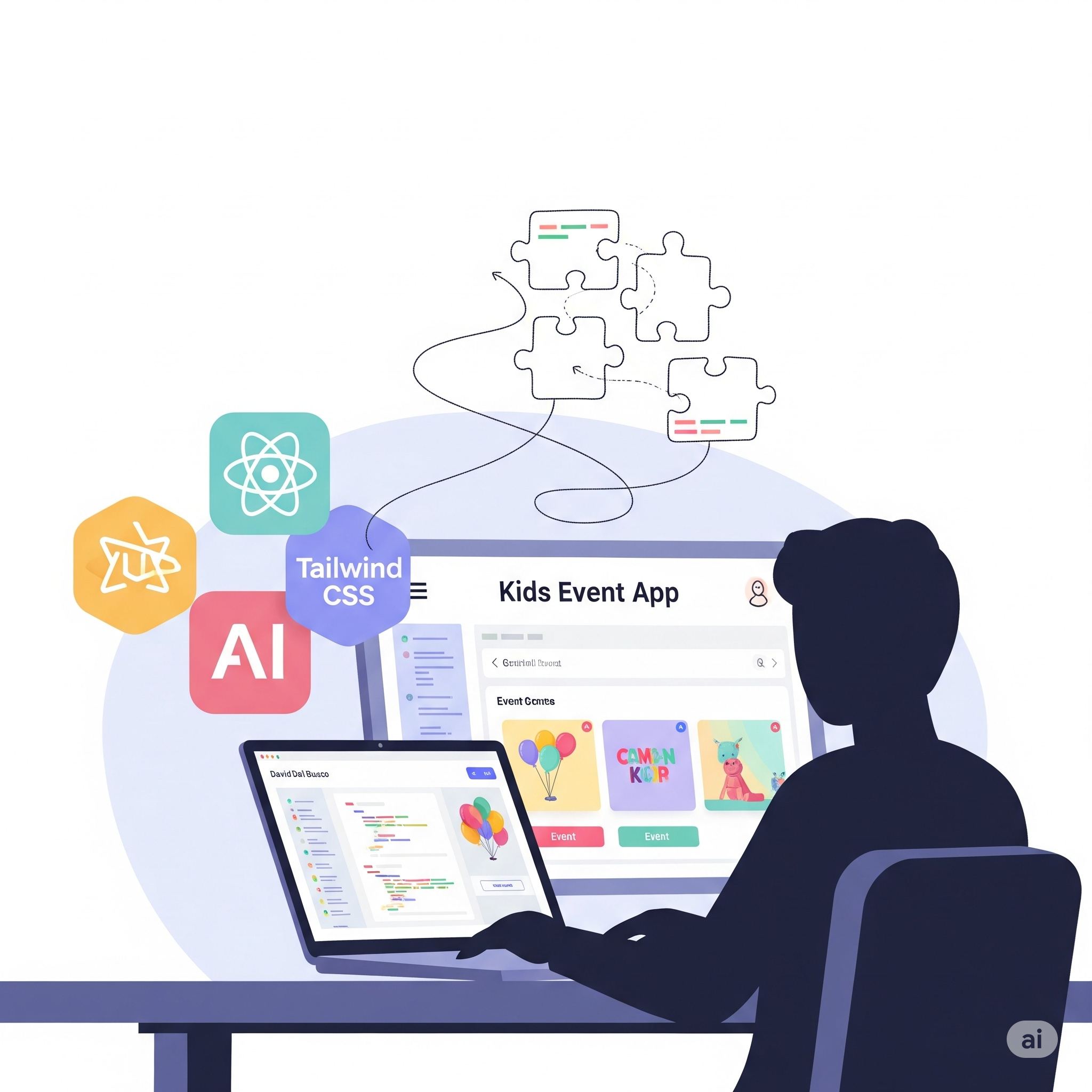
Juno’s founder, David Dal Busco, took a hands-on approach to showcase how coding can be both experimental and practical. In a live session, Dal Busco built a kids’ event manager app from scratch, blending React, Tailwind, Datastore, and serverless functions — all while openly sharing his process, coding choices, and occasional frustrations with AI-assisted tools.
The app is designed as a straightforward event manager for children’s activities. With colourful layouts, simple navigation, event listings, and a create-event form, the project aimed for usability wrapped in a playful design. Some creative elements, like balloons, didn’t make the final cut after live testing showed they didn’t quite fit.
Dal Busco’s live coding session was less about following a set script and more about exploring how AI tools like Cursor could assist — or sometimes complicate — the work. Cursor delivered helpful code snippets at times, but also offered unexpected or mismatched suggestions, especially with layout and colour contrasts in dark mode. Rather than seeing these quirks as setbacks, Dal Busco used them as a chance to demonstrate the balance between AI support and hands-on problem-solving.
The setup of Juno itself wasn’t always smooth, with some instructions in the templates and guides proving outdated or inconsistent. Dal Busco flagged these moments live, reinforcing how essential clear documentation is, even for platforms he built. These insights are expected to feed back into updates for Juno’s guides and AI-generated documentation.
One useful addition from the session was a serverless function designed to block the deletion of past events — a simple safeguard, but a valuable feature for users. Getting it right still required some trial and error, showing again that while AI can assist with coding, human oversight remains key.
Dal Busco wrapped up his session encouraging other developers to experiment with Juno, test AI tools like Cursor, and share feedback openly. His aim is to help improve both the platform and the AI’s ability to assist meaningfully. The session reflected Juno’s broader approach — giving developers the tools to build useful applications while recognising that creativity and experimentation often come with unexpected turns.
The kids’ event manager now sits among Juno’s updated example projects, with guides for both REST and TypeScript. The project highlights that coding, whether with AI or solo, often works best when developers stay curious, flexible, and ready to tweak things as they go.