Lighter, Faster, Smarter: Juno Trims the Fat from Analytics
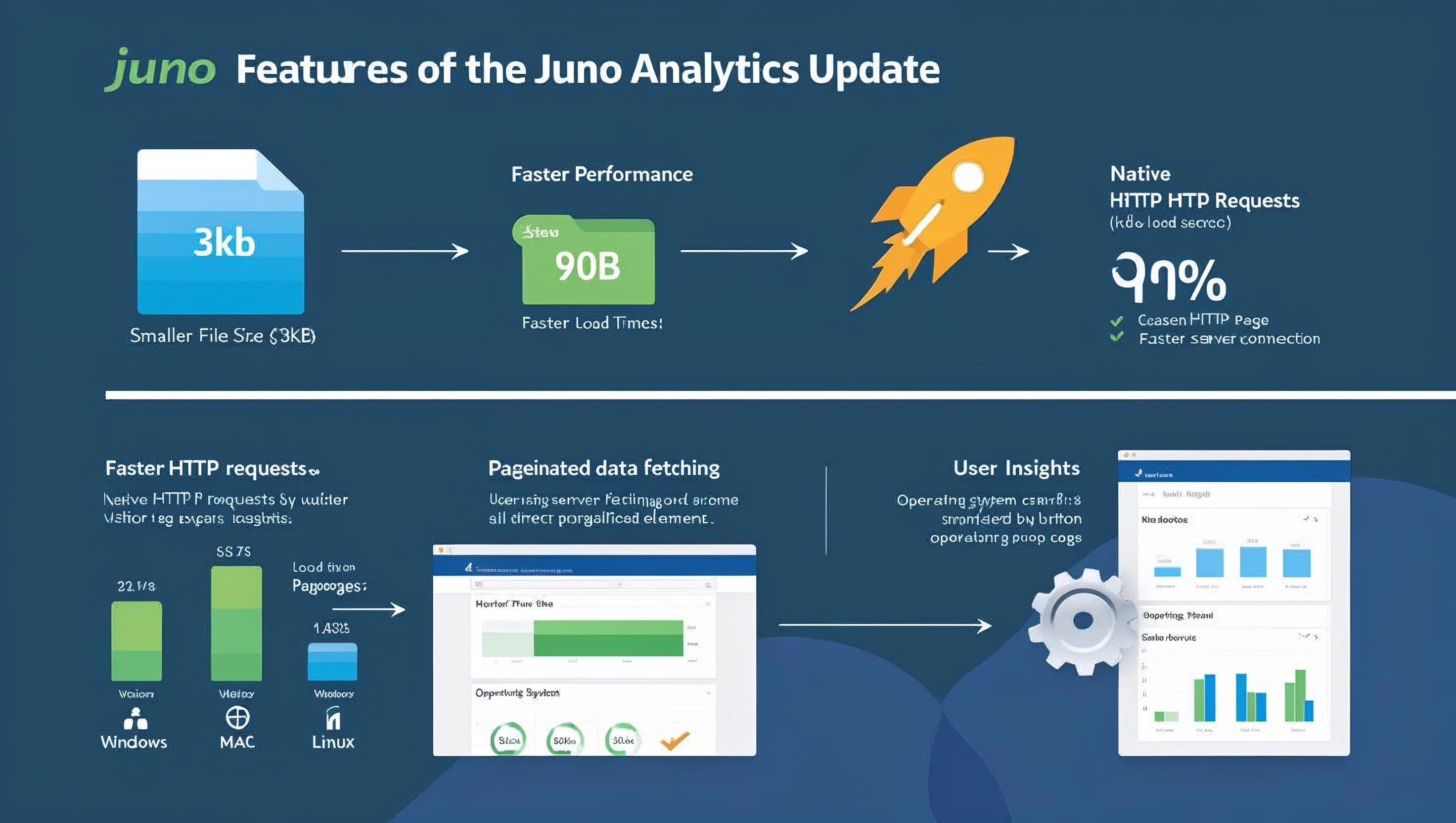
Juno Analytics has recently launched a highly anticipated update that focuses on simplifying its platform and improving the overall user experience. This release offers a series of improvements designed to streamline analytics for developers and provide enhanced insights into user data. The new version is lighter, faster, and more efficient than its predecessor, making it an attractive option for those looking to improve their analytics processes.

One of the most striking features of the update is the significant reduction in the size of the JavaScript client. The new client is now just 3KB gzipped, which is over 90% smaller than the previous version. This means faster load times and improved performance, making it easier for developers to implement analytics without slowing down their websites or applications. The smaller size also makes it easier to maintain and update, as there are fewer moving parts to worry about.
The update introduces a more efficient way of collecting analytics data. Instead of using custom API endpoints, Juno Analytics now relies on native HTTP requests to collect data. This change eliminates the need for web workers and IndexedDB, which were previously part of the data collection process. By removing these elements, the new system reduces complexity and makes it easier for developers to integrate analytics into their projects.
Along with the technical improvements, the update brings a range of new features to the dashboard. For instance, the analytics dashboard now supports paginated data fetching, which helps to overcome the previous limitation that capped visible page views at around 70,000. Developers can now view data across a wider range of timeframes, from a full month to just a few hours, allowing for more granular insights into user behaviour. However, users are advised to use pagination wisely, as more detailed queries can place additional strain on both the backend system and the user interface.
The dashboard also includes new features aimed at providing deeper insights into user activity. One of the most notable additions is the ability to see the top 10 time zones of visitors, which can help developers understand when their audience is most active. In addition, the dashboard now shows the operating systems used by visitors, provided they opt in to share that data. These new metrics give developers a better understanding of how their users are interacting with their sites and applications.
The update also includes a visual refresh of the dashboard, making it easier to navigate and understand the data being presented. These changes are aimed at improving the user experience, making the platform more intuitive and user-friendly. Along with the visual updates, the new version introduces an export function that allows users to download page view data for offline use or further analysis.
For developers looking to upgrade, the process is straightforward. The update to the Orbiter component can be done in the usual way, and the frontend analytics client can be updated with just a simple command. The new version is designed to be backward-compatible, so developers can upgrade at their own pace without the need for immediate changes to their existing setup.
One of the most convenient aspects of the update is the removal of unnecessary scripts and code. Developers who had previously added web worker scripts or other components can now safely remove them, as the new system no longer relies on these elements. This simplifies the integration process and helps to reduce the overall complexity of the platform.
The release is a clear indication of Juno’s commitment to improving the user experience while keeping things simple and efficient. The focus on performance, reduced file size, and improved insights shows that Juno is listening to its users and making the necessary changes to enhance its platform. With these updates, Juno Analytics is positioning itself as a powerful yet easy-to-use tool for developers looking to gain valuable insights into their users’ behaviour.
Overall, this update demonstrates a clear focus on making analytics easier to integrate, faster to load, and more informative. With fewer dependencies, smaller file sizes, and more powerful features, the latest release of Juno Analytics is a game-changer for developers looking to improve their analytics capabilities without adding complexity to their projects. As more and more companies look for ways to streamline their data collection processes, Juno’s latest release sets a new standard for simplicity and efficiency in the analytics space.