Menes Protocol previews Ethereum, EVM and BNB support powered by ICP
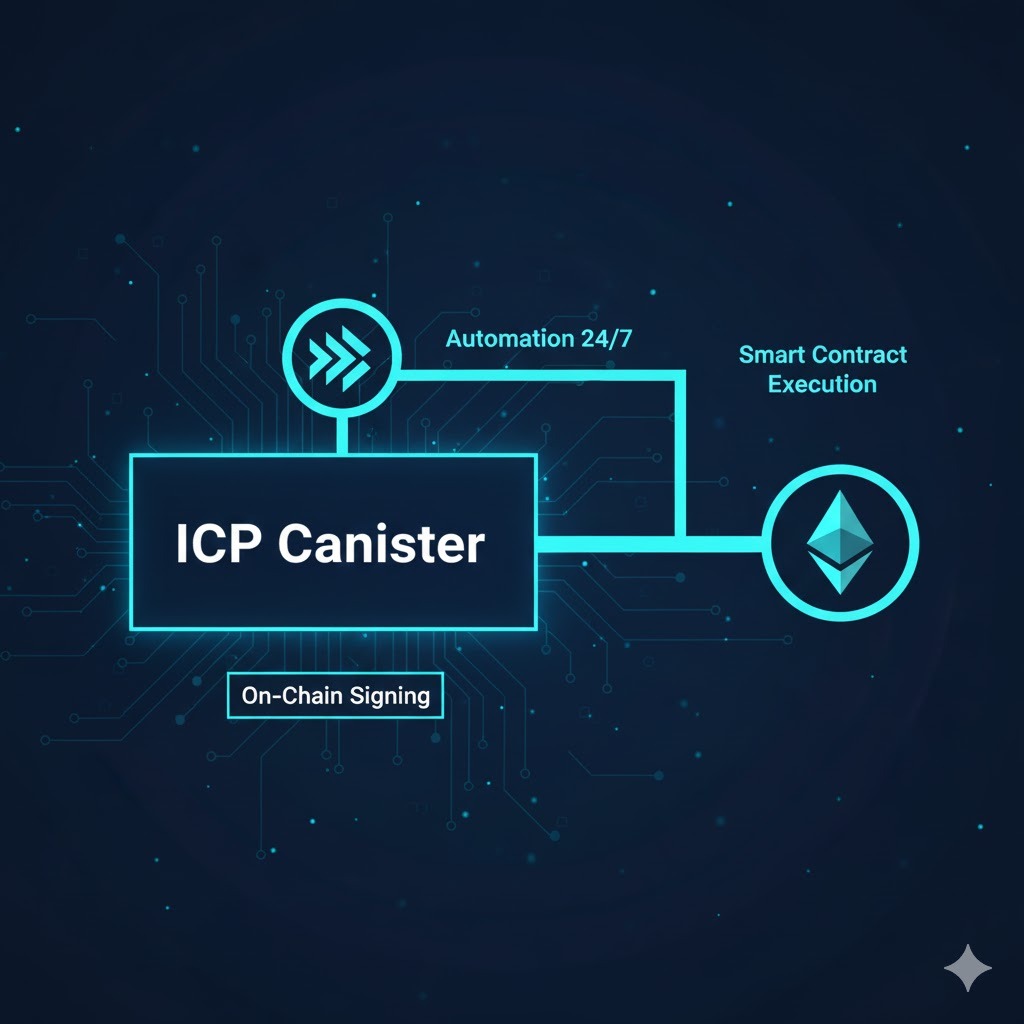
Menes Protocol has shared a new preview of its cross-chain work, this time showing live integration with Ethereum and EVM-compatible networks, alongside BNB. The update follows an earlier preview focused on Solana and points to a broader multi-chain direction built on the Internet Computer.
In a post on X, the team said the latest demo includes per-user on-chain addresses with protocol-level signing, backend-initiated transactions that run continuously, native smart contract import and execution, and live interaction with Uniswap. The features were shown operating without bridges, external signers or off-chain relayers, relying instead on ICP’s Chain-Key cryptography.
The technical model allows applications built on the Internet Computer to interact directly with other blockchains while keeping signing and execution on-chain. Supporters argue this reduces operational complexity and limits reliance on third-party infrastructure. Others in the wider ecosystem continue to watch closely, noting that cross-chain systems can introduce new forms of risk and require careful testing under real-world conditions.
Solana was the first network to receive an early preview of Menes’ approach. The Ethereum and EVM demonstration, together with BNB now live, suggests the team is moving toward broader coverage rather than focusing on a single chain. Menes has not shared timelines for production releases, framing the previews as demonstrations of capability rather than finished products.
Cross-chain tooling remains a crowded and competitive area, with many teams exploring ways to connect liquidity and functionality across networks. Menes’ use of ICP-native cryptography sets it apart from bridge-based designs, though adoption will likely depend on performance, reliability and how easily developers can integrate the system into existing workflows.
For now, the latest demo offers a clearer view of how Menes sees multi-chain applications operating, with ICP acting as the coordination layer and established networks like Ethereum, BNB and Solana providing execution and liquidity.
Dear Reader,
Ledger Life is an independent platform dedicated to covering the Internet Computer (ICP) ecosystem and beyond. We focus on real stories, builder updates, project launches, and the quiet innovations that often get missed.
We’re not backed by sponsors. We rely on readers like you.
If you find value in what we publish—whether it’s deep dives into dApps, explainers on decentralised tech, or just keeping track of what’s moving in Web3—please consider making a donation. It helps us cover costs, stay consistent, and remain truly independent.
Your support goes a long way.
🧠 ICP Principal: ins6i-d53ug-zxmgh-qvum3-r3pvl-ufcvu-bdyon-ovzdy-d26k3-lgq2v-3qe
🧾 ICP Address: f8deb966878f8b83204b251d5d799e0345ea72b8e62e8cf9da8d8830e1b3b05f
🪙 BTC Wallet: bc1pp5kuez9r2atdmrp4jmu6fxersny4uhnaxyrxau4dg7365je8sy2q9zff6p
Every contribution helps keep the lights on, the stories flowing, and the crypto clutter out.
Thank you for reading, sharing, and being part of this experiment in decentralised media.
—Team Ledger Life