Neutron Hackathon opens with focus on user-owned canisters and new licence
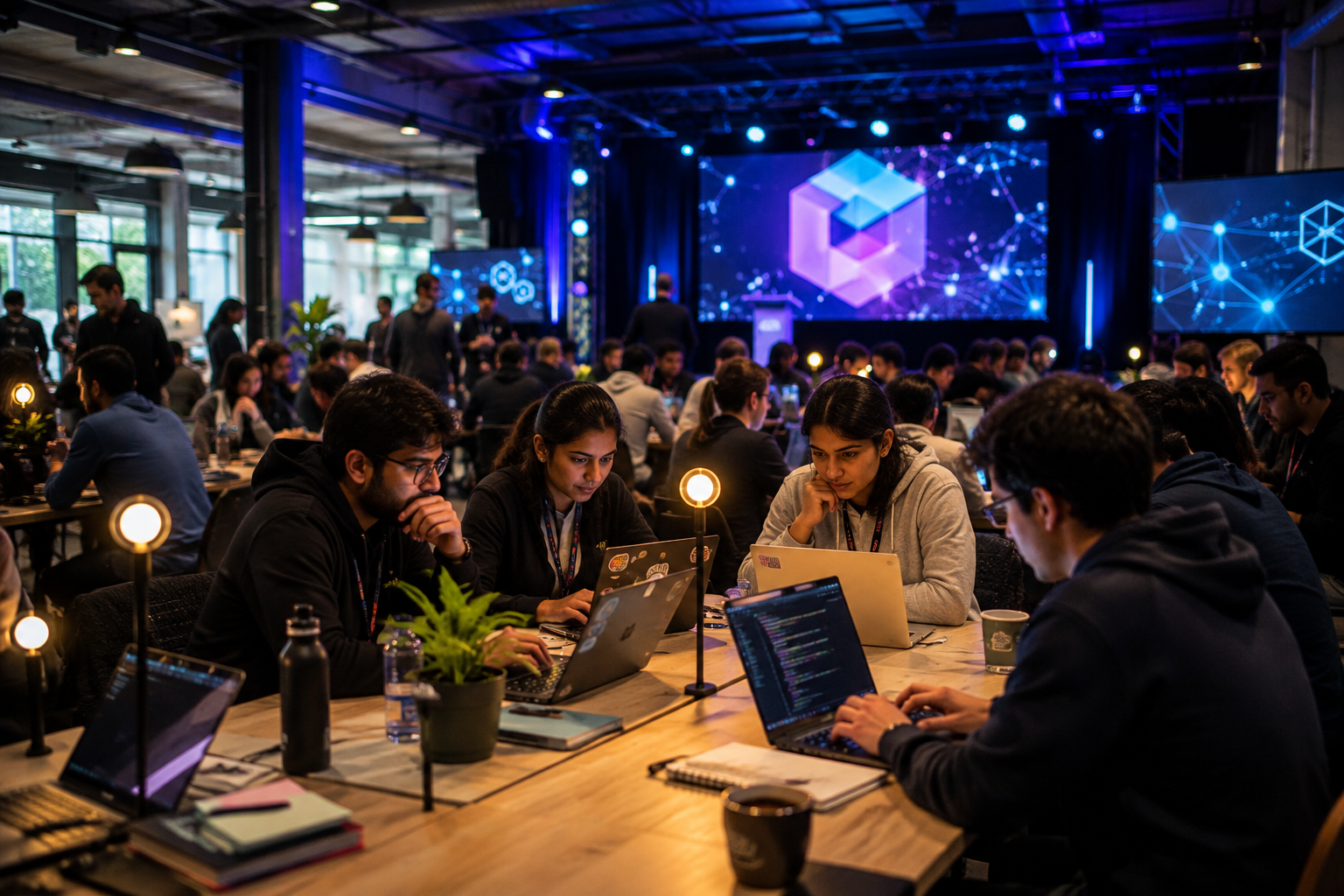
The Neutron Hackathon has opened, inviting developers to submit applications while putting a longer-term focus on software rights, user control and decentralisation.
According to the organisers, participants can build and submit apps during the hackathon, with rewards including cICP. The organisers have cautioned that the cICP rewards may not be immediately liquid because cICP is tied to a liquid staking arrangement. They said the underlying neuron could be proposed for dissolution, a process expected to take two years, and estimated that the resulting value could be greater than 1.28 ICP per cICP. They also noted that the timing and availability of liquidity is not guaranteed.
Participants therefore have been advised to consider the liquidity limitations before taking part, with the organisers saying developers who do not want the rewards can leave them for others.
The organisers are presenting the larger prize as the opportunity to work with a proposed kernel licence, called the Neutron Software User Public License, or NSUPL.
The proposal draws on ideas from the GNU General Public License, which established a framework allowing software to be used, modified and redistributed while requiring distributed derivative versions to preserve specified freedoms. GPLv3 also introduced provisions addressing so-called “tivoization”, aimed at preventing distributors from using hardware restrictions to stop users from running modified versions of software.
The Neutron proposal seeks to apply a similar principle to user-sovereign canisters. Its stated aim is to establish rules that favour users and application developers while discouraging arrangements in which a party retains control over canisters intended to remain under user control.
The approach reflects a wider question facing decentralised application development: how software licences can protect user control when applications rely on hosted infrastructure and programmable canisters.
Under the proposed NSUPL model, developers would have greater freedom to share, modify and build on software, while the licence would place conditions on attempts to retain centralised control over user-sovereign canisters.
The hackathon therefore combines an immediate developer competition with a broader experiment around how licensing could be used to support decentralised application ownership.
There are also practical considerations for participants. The cICP reward structure involves a long dissolution period, and the organisers have acknowledged that the resulting asset may not be instantly liquid. The value of the reward can also change, meaning participants need to weigh the potential benefit against the conditions attached to it.
The Neutron team describes the licence as the larger prize because it is intended to give developers a framework for building applications where users retain meaningful control over the canisters supporting those applications.
The hackathon is now open for app submissions, giving developers an opportunity to test the proposed approach through working applications rather than through licensing principles alone.
Dear Reader,
Ledger Life is an independent platform dedicated to covering the Internet Computer (ICP) ecosystem and beyond. We focus on real stories, builder updates, project launches, and the quiet innovations that often get missed.
We’re not backed by sponsors. We rely on readers like you.
If you find value in what we publish—whether it’s deep dives into dApps, explainers on decentralised tech, or just keeping track of what’s moving in Web3—please consider making a donation. It helps us cover costs, stay consistent, and remain truly independent.
Your support goes a long way.
🧠 ICP Principal: ins6i-d53ug-zxmgh-qvum3-r3pvl-ufcvu-bdyon-ovzdy-d26k3-lgq2v-3qe
🧾 ICP Address: f8deb966878f8b83204b251d5d799e0345ea72b8e62e8cf9da8d8830e1b3b05f
Every contribution helps keep the lights on, the stories flowing, and the crypto clutter out.
Thank you for reading, sharing, and being part of this experiment in decentralised media.
—Team Ledger Life