Onicai launches on-chain games built around verifiable computing
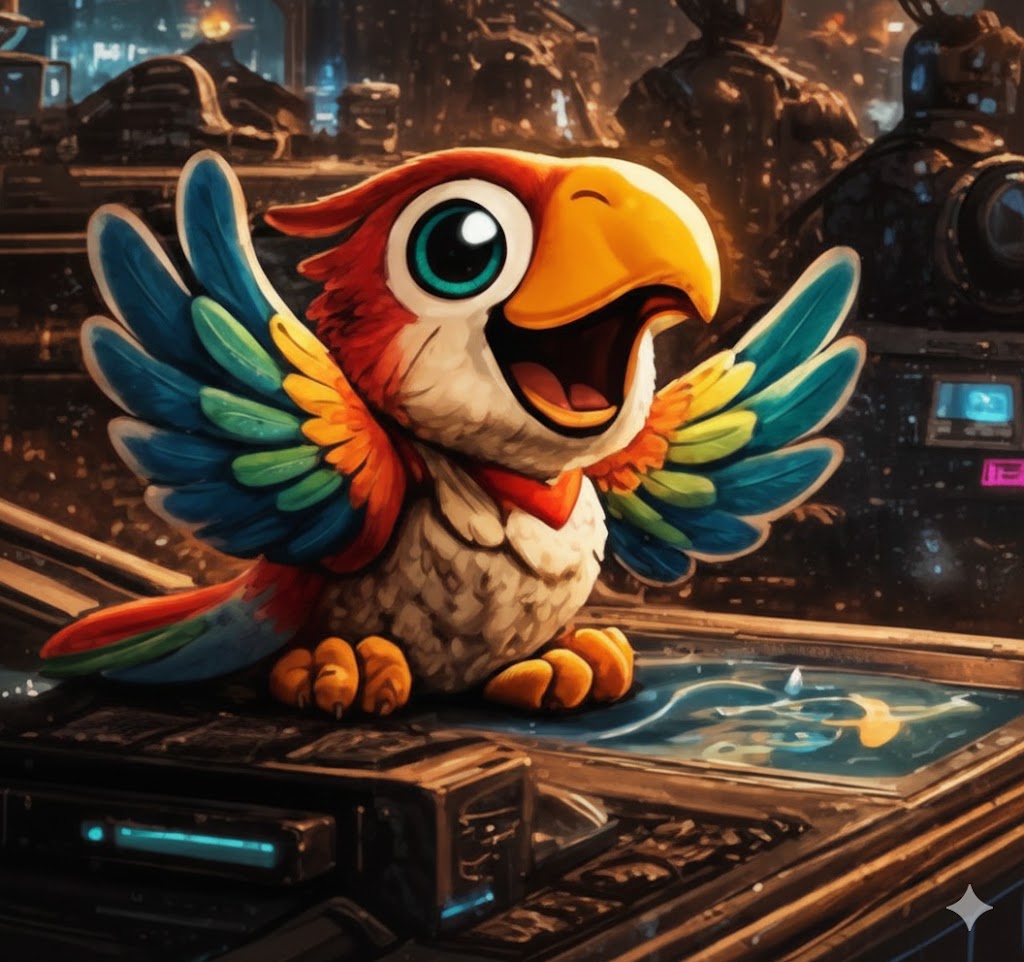
Onicai has launched a new gaming platform that allows users to play chess, golf and Chain Dash, extending the Internet Computer project’s work on running artificial intelligence and software directly on blockchain infrastructure.
The new platform, available at play.onicai.com, brings interactive games into an ecosystem that has previously focused on on-chain large language models, C++ development and AI agents.
The project says every move is checked by 13 computers, allowing game activity to be verified through the Internet Computer network rather than relying solely on a conventional centralised gaming server.
Its chess offering uses Stockfish, an open-source chess engine, compiled to run inside an Internet Computer canister using C++. The project has also demonstrated an on-chain golf game using the Box2D physics engine, with shots simulated and stored on-chain so they can be replayed and checked.
A technical showcase published by developers on the DFINITY forum describes how the chess engine runs within a single canister, with all 13 nodes of the subnet agreeing on its calculations. The golf game uses deterministic physics simulations, allowing previously recorded shots to be checked against their original results.
The new Chain Dash game adds another option to the platform, although the project has not yet provided the same level of technical detail about its operation.
Onicai’s work builds on its broader focus on decentralised artificial intelligence. Its previous projects include ICGPT, which brought large language models to the Internet Computer, and tools designed to run C++ applications as smart contracts.
The latest launch gives users a more interactive way to explore the network’s computing capabilities. Players can take on the games, challenge themselves and attempt to beat the scores.
However, on-chain verification does not automatically remove every potential risk associated with online games. Performance, accessibility, infrastructure costs and the way each game’s rules are implemented remain important considerations as the platform develops.
The launch reflects a growing effort within the Internet Computer ecosystem to demonstrate how blockchain-based computing can support applications beyond token transfers and financial services.