ORIGYN Launches New NFT Standard to Bridge Blockchain and Real-World Assets
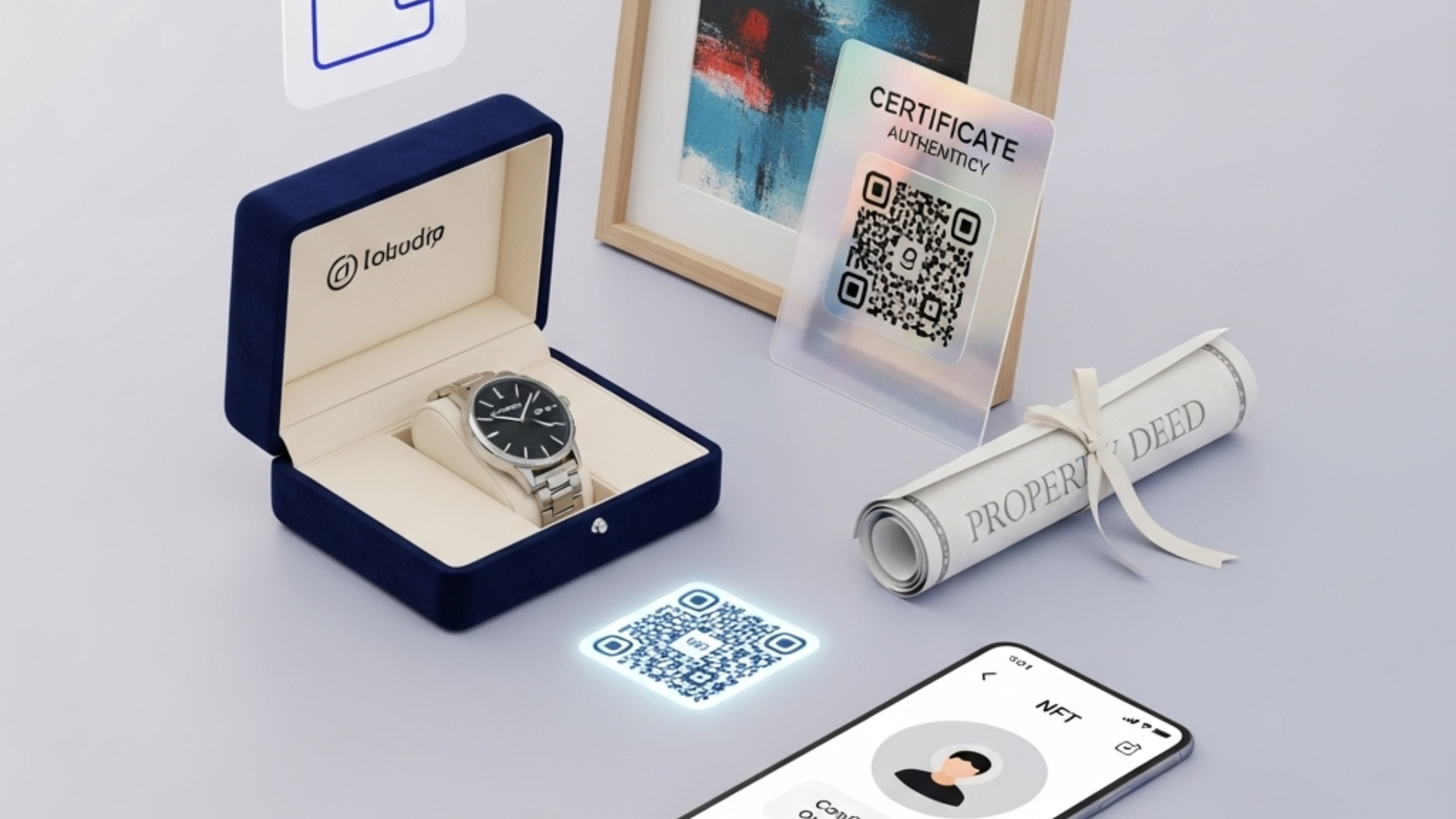
A new technical framework for NFTs is now live on the Internet Computer, aimed at making digital ownership simpler, safer and more usable across industries. ORIGYN has rolled out its implementation of ICRC7 and ICRC37, two open source standards designed to help anyone from artists to luxury brands issue tamper proof digital certificates for physical or digital items.
This move is an attempt to close the gap between current NFT infrastructure and real world use. NFTs have struggled with issues like unreliable links, storage breakdowns and high fees. ORIGYN’s system addresses those problems with a faster, more flexible structure that’s easy to integrate and run.
The company’s pitch is simple: if you can send a link, you can mint or transfer an NFT. Whether it’s a watch, a concert ticket or a painting, ORIGYN wants to make it easier to certify, store and transfer ownership without added friction.
The new framework brings a few standout features. NFTs created with this system carry built in transaction histories, similar to bank records. That helps prove authenticity without relying on third parties. Files are stored in a high performance vault that keeps data accessible and persistent, even through upgrades or heavy traffic.
The tools are packaged for different skill levels. Creators and businesses can deploy NFT collections using starter kits that include ready made code and guides. Developers, meanwhile, can tap into modular components and plug them into their own apps or wallets.
ORIGYN says it built the framework to meet real use cases, not just digital collectibles. For example, music festivals can issue verifiable passes that unlock experiences. Artists can pair their work with a blockchain certificate. Luxury brands can link each item to a secure digital record, reducing fraud.
All of this is now open source. ORIGYN is encouraging developers and users to experiment, provide feedback and expand on the system. The code is available on GitHub, and contributors are welcome to suggest improvements or build their own tools on top of it.
This release marks a step forward for the ICP ecosystem, but it’s also a signal of where NFT utility could be heading. ORIGYN is betting that digital ownership will only grow in value if the tools behind it are accessible, verifiable and built for practical use.
Dear Reader,
Ledger Life is an independent platform dedicated to covering the Internet Computer (ICP) ecosystem and beyond. We focus on real stories, builder updates, project launches, and the quiet innovations that often get missed.
We’re not backed by sponsors. We rely on readers like you.
If you find value in what we publish—whether it’s deep dives into dApps, explainers on decentralised tech, or just keeping track of what’s moving in Web3—please consider making a donation. It helps us cover costs, stay consistent, and remain truly independent.
Your support goes a long way.
🧠 ICP Principal: ins6i-d53ug-zxmgh-qvum3-r3pvl-ufcvu-bdyon-ovzdy-d26k3-lgq2v-3qe
🧾 ICP Address: f8deb966878f8b83204b251d5d799e0345ea72b8e62e8cf9da8d8830e1b3b05f
🪙 BTC Wallet: bc1pp5kuez9r2atdmrp4jmu6fxersny4uhnaxyrxau4dg7365je8sy2q9zff6p
Every contribution helps keep the lights on, the stories flowing, and the crypto clutter out.
Thank you for reading, sharing, and being part of this experiment in decentralised media.
—Team Ledger Life