Piggycell turns phone charging into real-time rewards
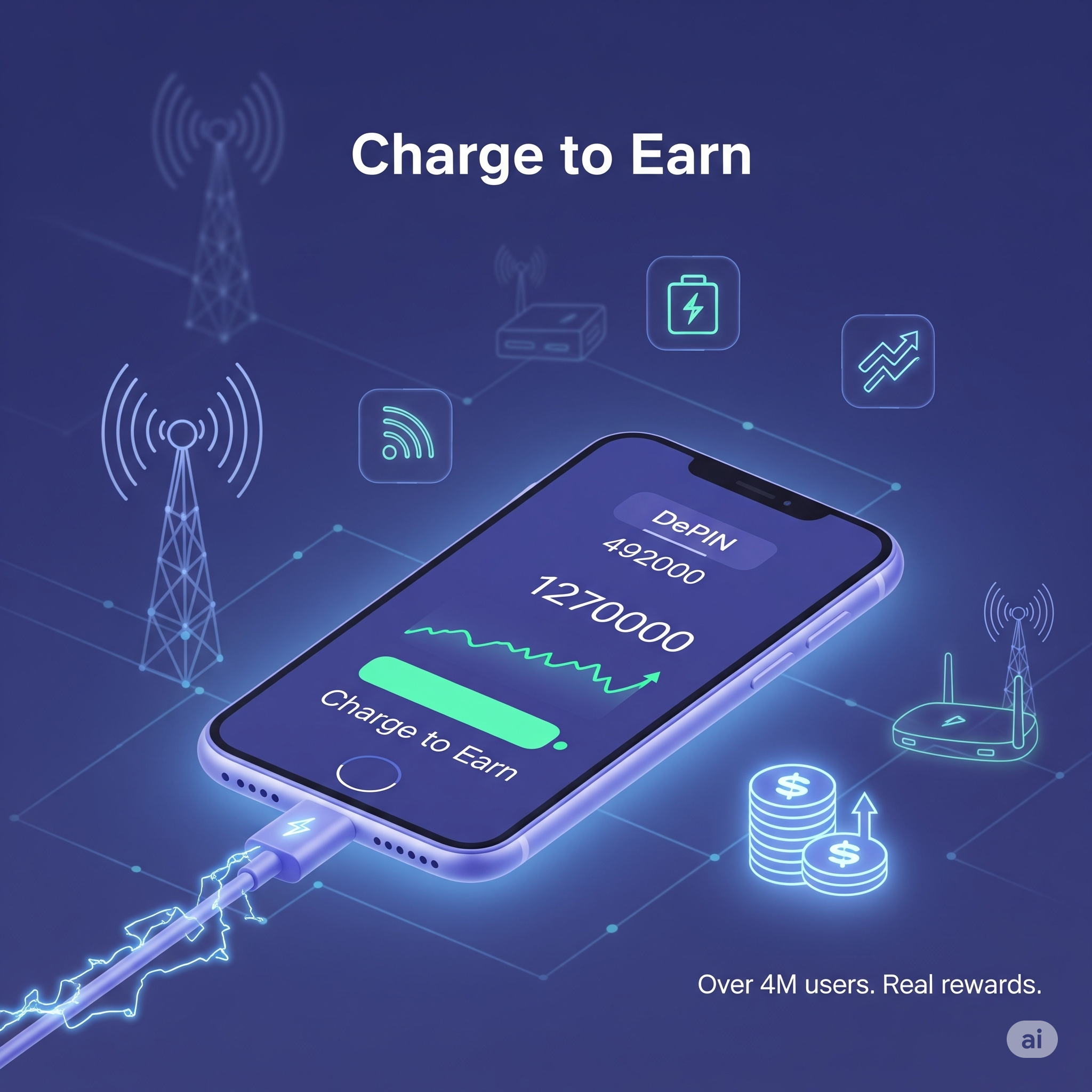
Piggycell is rolling out a feature that allows users to earn rewards every time they charge their phones, positioning itself at the edge of what’s being called Charge to Earn. It’s part of a broader effort to make decentralised networks feel useful, with real-world incentives baked into everyday behaviour.
The idea is straightforward. While a phone is plugged in, Piggycell taps into a decentralised physical infrastructure network, or DePIN, allowing users to passively earn. It’s a version of Web3 that doesn’t ask for upfront speculation or deep technical knowledge — just a charger and a device.
Piggycell claims to have over four million users and is promoting its infrastructure as fully operational, with back-end support that ensures the reward mechanism isn’t theoretical. That backing will matter as scepticism around DePIN continues, especially from users who’ve seen similar ideas fail to deliver on scale or reliability.
What makes this model interesting is its simplicity. Charging is already a habitual action. Piggycell’s move is to attach economic value to it, with no need for users to change their routine. The more time a device spends charging, the greater the potential earnings.
There are still questions about how rewards are distributed, what they’re backed by, and whether they can maintain value in volatile conditions. While the company has outlined its user base and infrastructure, details on long-term sustainability and network incentives remain limited.
Even so, the experience feels immediate. Users aren’t waiting for complicated onboarding or wallet setups. Once plugged in, the system is designed to start working in the background, with minimal friction. That ease of access could explain the user growth Piggycell is reporting.
The DePIN space is crowded with projects looking to link hardware and blockchain. Piggycell’s Charge to Earn model fits into that pattern but opts for practicality over theory. If the reward flow holds steady and infrastructure claims are backed by third-party scrutiny, the model could gain ground with users tired of promise-heavy launches.
The pitch is clear: power up, earn while you wait, and don’t overthink it. Whether it proves durable over time will depend on how well the system manages real usage and keeps rewards meaningful beyond early interest. For now, the concept has traction, and Piggycell is using it to push Web3 further into the hands — and charging cables — of everyday users.