Shipping Costs for US Crude Surge as Tanker Rates Spike
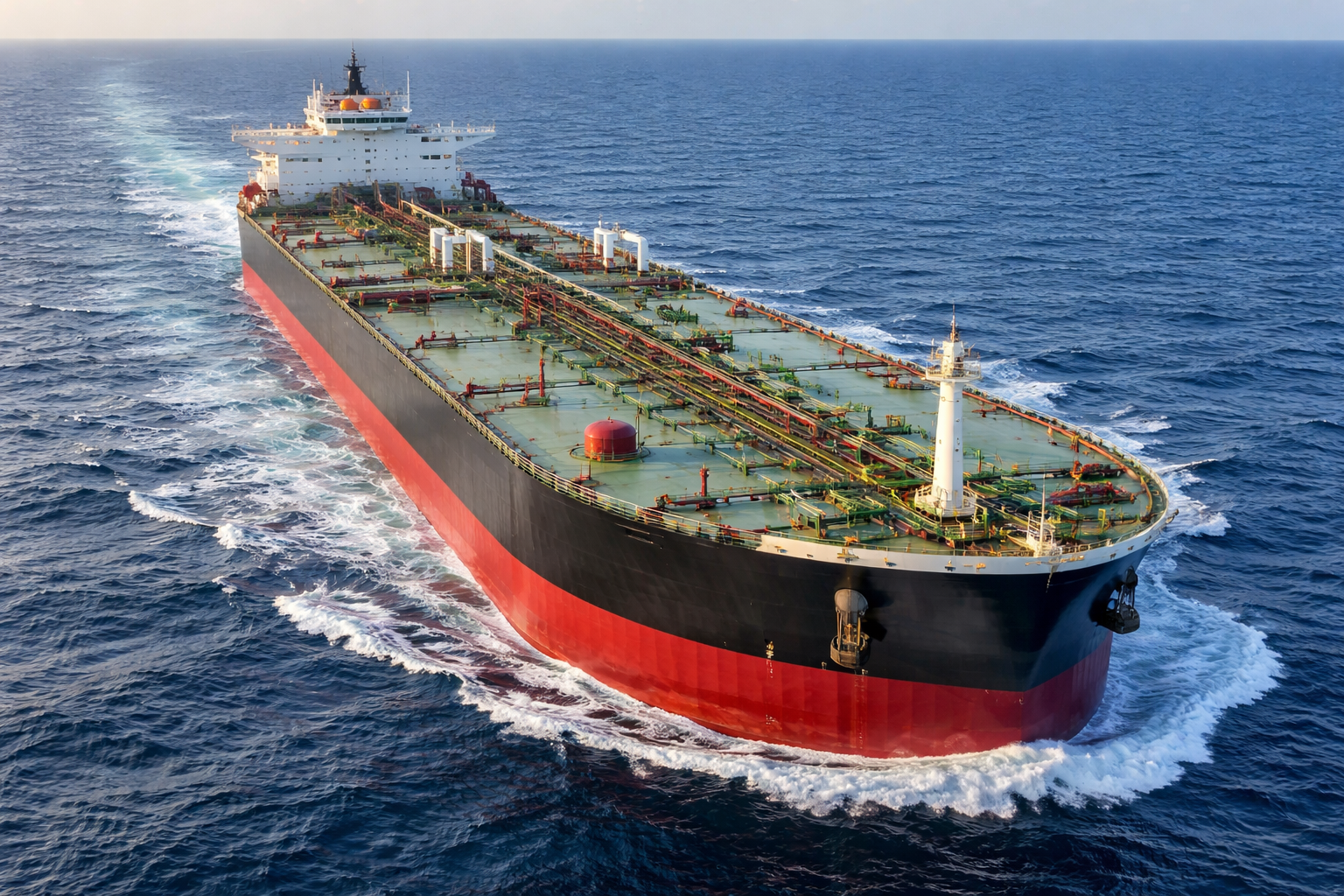
The cost of transporting crude oil from the United States to Asia has jumped sharply, placing new strain on global oil supply chains and raising questions about how long current trade flows can hold.
Hiring a very large crude carrier to move about two million barrels of oil from the US Gulf Coast to China now costs more than $29 million, according to market data cited by shipping and energy analysts. The rate is the highest recorded for this route and reflects a sudden squeeze in tanker availability.
Freight rates have doubled within two weeks. At current levels, the transport bill alone works out to roughly $14.50 per barrel. With West Texas Intermediate crude trading near $75 a barrel, shipping now accounts for close to one fifth of the oil’s price.
The jump marks a sharp change from late August, when tanker hire represented about five per cent of the value of the cargo. Since then the cost ratio has climbed rapidly, reflecting a tightening freight market and longer travel routes.
Tensions linked to the conflict in the Middle East have played a central role. Disruption around the Strait of Hormuz has restricted one of the world’s most important oil corridors, pushing Asian refiners to source more barrels from the United States. That shift adds thousands of extra nautical miles to each voyage and ties up vessels for longer periods.
With tanker supply limited, charter rates have risen quickly. Some cargo bookings to load crude at US Gulf Coast ports were cancelled over the past 24 hours as freight costs climbed to levels traders describe as difficult to justify.
Energy market watchers say the freight spike adds another layer of uncertainty for refiners and trading houses. Oil prices themselves have remained relatively stable compared with the movement in shipping costs, leaving buyers to absorb a much larger transport bill for each cargo.
Shipping specialists note that tanker markets can move quickly when demand rises and fleet availability tightens. If conditions around key Middle Eastern routes remain restricted, freight rates may stay elevated. A reopening of those routes or an increase in available vessels could ease pressure just as quickly.
For now, the surge in tanker hire has become one of the clearest signs of stress moving through the global oil trade. The cost of moving crude across oceans is rising far faster than the price of the oil itself.