US computer spending hits record as AI investment accelerates
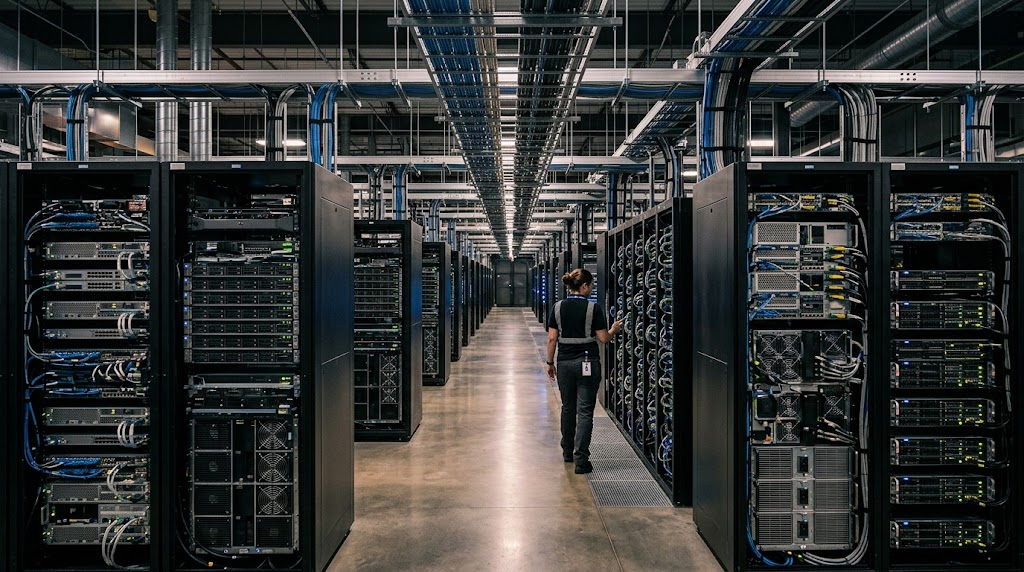
US business spending on computers and peripheral equipment reached a record $420.1 billion in the second quarter of 2026, highlighting the scale of investment in computing infrastructure as companies expand their use of artificial intelligence.
The measure increased by $20.5 billion during the quarter, marking its sixth consecutive quarterly rise. Since the third quarter of 2023, spending in the category has increased by $233.6 billion, or about 125%.
The figures are based on a GDP investment measure covering physical computing equipment such as servers, data storage, personal computers and peripherals. That makes the category a useful indicator of demand for the hardware needed to support AI systems, although it should not be treated as a direct measure of AI spending.
The US Bureau of Economic Analysis classifies computers and peripheral equipment within information processing equipment and software, alongside categories such as software and other information-processing equipment. The broader investment picture also includes structures, industrial equipment and intellectual property products.
That distinction matters because the $420.1 billion figure does not capture the full amount being spent on AI. Data centres, communications equipment, software and other infrastructure can sit outside this specific category.
Even so, wider corporate investment points to strong demand for AI infrastructure. Reuters reported in September that major technology companies were continuing to commit large sums to computing capacity, while companies across the data-centre supply chain were expanding to meet demand for power, cooling, networking and other equipment.
The broader US economy also recorded stronger growth than initially estimated in the second quarter. The BEA’s latest estimate puts real GDP growth at an annual rate of 2.2%, up from an earlier estimate of 1.5%, with investment among the contributors to growth.
The rapid rise in computer-related investment is therefore an important signal of the resources businesses are directing towards computing capacity. It does not, on its own, show how much of that spending will generate returns or whether the current pace of AI investment can be sustained.
That question is becoming increasingly important as the cost of building and operating AI infrastructure rises. The current investment cycle is creating demand across semiconductors, servers, networking, electricity, cooling and data-centre construction, while investors and economists continue to assess whether future productivity and revenues will justify the scale of spending.
For now, the computer and peripheral equipment figures show that US businesses are continuing to put substantial capital into the physical infrastructure behind the AI boom, even though the data captures only one part of that wider investment story.