US inflation remains above 2% as purchasing power continues to erode
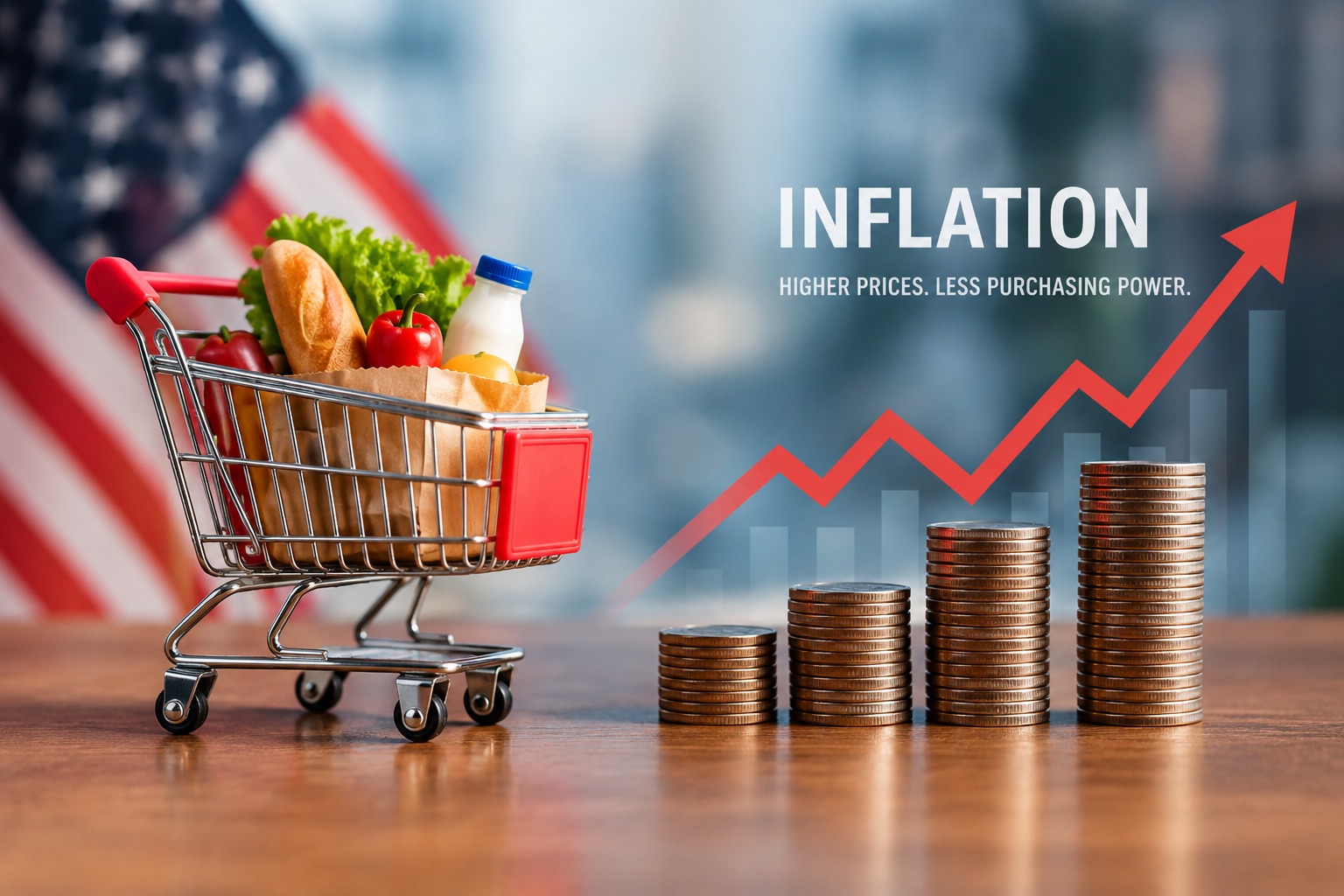
US consumer inflation remains a concern for households as rising prices continue to reduce the purchasing power of the dollar.
A claim circulating online says US consumer price index (CPI) inflation has remained above 2 per cent for 67 consecutive months, leaving consumers paying about US$129 for goods and services that cost US$100 in 2021.
The comparison illustrates how inflation compounds over time. When prices rise, the same amount of money buys fewer goods and services, even if the inflation rate later slows. A lower inflation rate means prices are rising more slowly, not necessarily returning to earlier levels.
However, the figures require some context. The US Federal Reserve’s long-term 2 per cent inflation objective is measured using the personal consumption expenditures (PCE) price index, rather than CPI. The two measures track prices differently and can produce different inflation readings.
US CPI inflation was 1.4 per cent in January 2021 and 1.7 per cent in February, before rising above 2 per cent in March that year. The claim that January 2021 was the last month inflation fell below 2 per cent is therefore inaccurate.
The effects of inflation also vary between households. People whose incomes fail to keep pace with prices can lose purchasing power, while savers may see the real value of cash decline. Owners of assets such as property and shares may benefit when those assets rise in value, although returns depend on market conditions, borrowing costs and other risks.
The US$129 comparison should be treated as an illustration unless its exact dates and CPI calculation are specified. The broader issue remains that sustained price increases can place pressure on household budgets, particularly when wages and other income do not keep pace.