Westcliff Technologies Enables Cloud Control of Arduino with IoT LED Controller
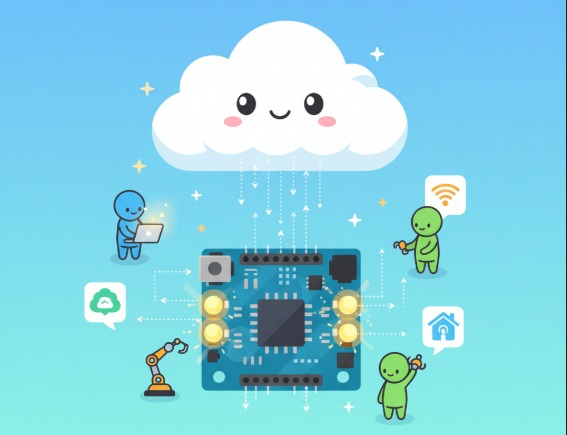
Westcliff Technologies has introduced a new IoT LED Controller built on Caffeine AI, allowing Arduino devices to be controlled directly from the cloud. This development opens fresh opportunities for robotics, smart homes, and other connected devices, simplifying the way users interact with hardware.

By linking cloud software with physical devices, Westcliff Technologies is removing traditional barriers between programming and hardware execution. Users can now manage LEDs, sensors, and motors remotely, streamlining prototyping and everyday applications alike. The approach offers flexibility for hobbyists, developers, and businesses seeking to integrate cloud intelligence into physical systems.

While the innovation presents clear advantages in convenience and efficiency, the broader impact will depend on adoption and how users integrate the technology into existing setups. Security, latency, and compatibility with different Arduino models are likely to shape its uptake.

Overall, the IoT LED Controller demonstrates a practical step towards more seamless interaction between software and hardware. It highlights how cloud platforms like Caffeine AI are expanding the scope of connected devices, enabling projects that were previously complex to implement to be executed with greater ease.


Dear Reader,

Ledger Life is an independent platform dedicated to covering the Internet Computer (ICP) ecosystem and beyond. We focus on real stories, builder updates, project launches, and the quiet innovations that often get missed.

We’re not backed by sponsors. We rely on readers like you.

If you find value in what we publish—whether it’s deep dives into dApps, explainers on decentralised tech, or just keeping track of what’s moving in Web3—please consider making a donation. It helps us cover costs, stay consistent, and remain truly independent.

Your support goes a long way.

🧠 ICP Principal: ins6i-d53ug-zxmgh-qvum3-r3pvl-ufcvu-bdyon-ovzdy-d26k3-lgq2v-3qe

🧾 ICP Address: f8deb966878f8b83204b251d5d799e0345ea72b8e62e8cf9da8d8830e1b3b05f

🪙 BTC Wallet: bc1pp5kuez9r2atdmrp4jmu6fxersny4uhnaxyrxau4dg7365je8sy2q9zff6p

Every contribution helps keep the lights on, the stories flowing, and the crypto clutter out.

Thank you for reading, sharing, and being part of this experiment in decentralised media.
—Team Ledger Life

LEAVE A REPLY

Please enter your comment!
Please enter your name here

More like this

Dominic Williams challenges LayerZero’s “onchain cloud” claims over Zero’s...

Dominic Williams, founder of the Internet Computer, has criticised marketing claims around LayerZero’s upcoming network, Zero, arguing...

Bitcoin DeFi Firm Liquidium Explains How ICP Integration Smooths...

Liquidium’s chief executive, Robin Obermaier, discussed how the company uses technology from the Internet Computer Protocol (ICP)...

ICP Technology Continues to Feature in Cambodia’s Development Plans

The Internet Computer Protocol is steadily gaining traction in Asia as governments explore blockchain and sovereign cloud...

Westcliff Technologies has introduced a new IoT LED Controller built on Caffeine AI, allowing Arduino devices to be controlled directly from the cloud. This development opens fresh opportunities for robotics, smart homes, and other connected devices, simplifying the way users interact with hardware.

By linking cloud software with physical devices, Westcliff Technologies is removing traditional barriers between programming and hardware execution. Users can now manage LEDs, sensors, and motors remotely, streamlining prototyping and everyday applications alike. The approach offers flexibility for hobbyists, developers, and businesses seeking to integrate cloud intelligence into physical systems.

While the innovation presents clear advantages in convenience and efficiency, the broader impact will depend on adoption and how users integrate the technology into existing setups. Security, latency, and compatibility with different Arduino models are likely to shape its uptake.

Overall, the IoT LED Controller demonstrates a practical step towards more seamless interaction between software and hardware. It highlights how cloud platforms like Caffeine AI are expanding the scope of connected devices, enabling projects that were previously complex to implement to be executed with greater ease.


Dear Reader,

Ledger Life is an independent platform dedicated to covering the Internet Computer (ICP) ecosystem and beyond. We focus on real stories, builder updates, project launches, and the quiet innovations that often get missed.

We’re not backed by sponsors. We rely on readers like you.

If you find value in what we publish—whether it’s deep dives into dApps, explainers on decentralised tech, or just keeping track of what’s moving in Web3—please consider making a donation. It helps us cover costs, stay consistent, and remain truly independent.

Your support goes a long way.

🧠 ICP Principal: ins6i-d53ug-zxmgh-qvum3-r3pvl-ufcvu-bdyon-ovzdy-d26k3-lgq2v-3qe

🧾 ICP Address: f8deb966878f8b83204b251d5d799e0345ea72b8e62e8cf9da8d8830e1b3b05f

🪙 BTC Wallet: bc1pp5kuez9r2atdmrp4jmu6fxersny4uhnaxyrxau4dg7365je8sy2q9zff6p

Every contribution helps keep the lights on, the stories flowing, and the crypto clutter out.

Thank you for reading, sharing, and being part of this experiment in decentralised media.
—Team Ledger Life

LEAVE A REPLY

Please enter your comment!
Please enter your name here

More like this

Dominic Williams challenges LayerZero’s “onchain cloud” claims over Zero’s...

Dominic Williams, founder of the Internet Computer, has criticised marketing claims around LayerZero’s upcoming network, Zero, arguing...

Bitcoin DeFi Firm Liquidium Explains How ICP Integration Smooths...

Liquidium’s chief executive, Robin Obermaier, discussed how the company uses technology from the Internet Computer Protocol (ICP)...

ICP Technology Continues to Feature in Cambodia’s Development Plans

The Internet Computer Protocol is steadily gaining traction in Asia as governments explore blockchain and sovereign cloud...

Westcliff Technologies has introduced a new IoT LED Controller built on Caffeine AI, allowing Arduino devices to be controlled directly from the cloud. This development opens fresh opportunities for robotics, smart homes, and other connected devices, simplifying the way users interact with hardware.

By linking cloud software with physical devices, Westcliff Technologies is removing traditional barriers between programming and hardware execution. Users can now manage LEDs, sensors, and motors remotely, streamlining prototyping and everyday applications alike. The approach offers flexibility for hobbyists, developers, and businesses seeking to integrate cloud intelligence into physical systems.

While the innovation presents clear advantages in convenience and efficiency, the broader impact will depend on adoption and how users integrate the technology into existing setups. Security, latency, and compatibility with different Arduino models are likely to shape its uptake.

Overall, the IoT LED Controller demonstrates a practical step towards more seamless interaction between software and hardware. It highlights how cloud platforms like Caffeine AI are expanding the scope of connected devices, enabling projects that were previously complex to implement to be executed with greater ease.


Dear Reader,

Ledger Life is an independent platform dedicated to covering the Internet Computer (ICP) ecosystem and beyond. We focus on real stories, builder updates, project launches, and the quiet innovations that often get missed.

We’re not backed by sponsors. We rely on readers like you.

If you find value in what we publish—whether it’s deep dives into dApps, explainers on decentralised tech, or just keeping track of what’s moving in Web3—please consider making a donation. It helps us cover costs, stay consistent, and remain truly independent.

Your support goes a long way.

🧠 ICP Principal: ins6i-d53ug-zxmgh-qvum3-r3pvl-ufcvu-bdyon-ovzdy-d26k3-lgq2v-3qe

🧾 ICP Address: f8deb966878f8b83204b251d5d799e0345ea72b8e62e8cf9da8d8830e1b3b05f

🪙 BTC Wallet: bc1pp5kuez9r2atdmrp4jmu6fxersny4uhnaxyrxau4dg7365je8sy2q9zff6p

Every contribution helps keep the lights on, the stories flowing, and the crypto clutter out.

Thank you for reading, sharing, and being part of this experiment in decentralised media.
—Team Ledger Life

LEAVE A REPLY

Please enter your comment!
Please enter your name here

More like this

Dominic Williams challenges LayerZero’s “onchain cloud” claims over Zero’s...

Dominic Williams, founder of the Internet Computer, has criticised marketing claims around LayerZero’s upcoming network, Zero, arguing...

Bitcoin DeFi Firm Liquidium Explains How ICP Integration Smooths...

Liquidium’s chief executive, Robin Obermaier, discussed how the company uses technology from the Internet Computer Protocol (ICP)...

ICP Technology Continues to Feature in Cambodia’s Development Plans

The Internet Computer Protocol is steadily gaining traction in Asia as governments explore blockchain and sovereign cloud...

Westcliff Technologies has introduced a new IoT LED Controller built on Caffeine AI, allowing Arduino devices to be controlled directly from the cloud. This development opens fresh opportunities for robotics, smart homes, and other connected devices, simplifying the way users interact with hardware.

By linking cloud software with physical devices, Westcliff Technologies is removing traditional barriers between programming and hardware execution. Users can now manage LEDs, sensors, and motors remotely, streamlining prototyping and everyday applications alike. The approach offers flexibility for hobbyists, developers, and businesses seeking to integrate cloud intelligence into physical systems.

While the innovation presents clear advantages in convenience and efficiency, the broader impact will depend on adoption and how users integrate the technology into existing setups. Security, latency, and compatibility with different Arduino models are likely to shape its uptake.

Overall, the IoT LED Controller demonstrates a practical step towards more seamless interaction between software and hardware. It highlights how cloud platforms like Caffeine AI are expanding the scope of connected devices, enabling projects that were previously complex to implement to be executed with greater ease.


Dear Reader,

Ledger Life is an independent platform dedicated to covering the Internet Computer (ICP) ecosystem and beyond. We focus on real stories, builder updates, project launches, and the quiet innovations that often get missed.

We’re not backed by sponsors. We rely on readers like you.

If you find value in what we publish—whether it’s deep dives into dApps, explainers on decentralised tech, or just keeping track of what’s moving in Web3—please consider making a donation. It helps us cover costs, stay consistent, and remain truly independent.

Your support goes a long way.

🧠 ICP Principal: ins6i-d53ug-zxmgh-qvum3-r3pvl-ufcvu-bdyon-ovzdy-d26k3-lgq2v-3qe

🧾 ICP Address: f8deb966878f8b83204b251d5d799e0345ea72b8e62e8cf9da8d8830e1b3b05f

🪙 BTC Wallet: bc1pp5kuez9r2atdmrp4jmu6fxersny4uhnaxyrxau4dg7365je8sy2q9zff6p

Every contribution helps keep the lights on, the stories flowing, and the crypto clutter out.

Thank you for reading, sharing, and being part of this experiment in decentralised media.
—Team Ledger Life

LEAVE A REPLY

Please enter your comment!
Please enter your name here

More like this

Dominic Williams challenges LayerZero’s “onchain cloud” claims over Zero’s...

Dominic Williams, founder of the Internet Computer, has criticised marketing claims around LayerZero’s upcoming network, Zero, arguing...

Bitcoin DeFi Firm Liquidium Explains How ICP Integration Smooths...

Liquidium’s chief executive, Robin Obermaier, discussed how the company uses technology from the Internet Computer Protocol (ICP)...

ICP Technology Continues to Feature in Cambodia’s Development Plans

The Internet Computer Protocol is steadily gaining traction in Asia as governments explore blockchain and sovereign cloud...