
DayMate has launched a new personal web app designed to turn everyday reminders into organised calendar events through natural language. The tool uses AI to interpret plain text and place tasks directly into a user’s schedule, aiming to make planning feel less like admin and more like a quick conversation.
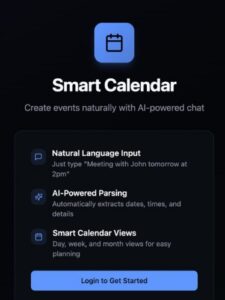
The concept is straightforward. A user types something as simple as “I have a meeting from 9 to 10” and the event appears in the calendar without further input. The app then offers day, week and month views, giving it the familiar feel of standard calendar tools while adding a lighter way to create tasks.
Its developer says the goal is to remove the friction that often stops people from keeping a tidy schedule. Instead of tapping through menus or adjusting settings, DayMate’s AI handles the details by pulling dates, times and context directly from whatever a person writes. For those who already use digital calendars, it may feel like an incremental upgrade. For people who avoid traditional planners because they feel too rigid, the conversational prompt style could be a draw.
DayMate is one of several projects promoted under the #builtwithcaffeine tag, indicating it runs on the Caffeine platform. Caffeine has become known within the developer community for tools that allow quick prototyping and lightweight AI-supported features. While early reactions have been positive, the real test will come from long term adoption and whether users trust an AI tool to manage everyday commitments.
The app is available at daymate-68o.caffeine.xyz, where users can trial the interface and see how the AI captures events. For now, the pitch centres on keeping things simple: type what you need to do and let the system sort it out.
Dear Reader,
Ledger Life is an independent platform dedicated to covering the Internet Computer (ICP) ecosystem and beyond. We focus on real stories, builder updates, project launches, and the quiet innovations that often get missed.
We’re not backed by sponsors. We rely on readers like you.
If you find value in what we publish—whether it’s deep dives into dApps, explainers on decentralised tech, or just keeping track of what’s moving in Web3—please consider making a donation. It helps us cover costs, stay consistent, and remain truly independent.
Your support goes a long way.
🧠 ICP Principal: ins6i-d53ug-zxmgh-qvum3-r3pvl-ufcvu-bdyon-ovzdy-d26k3-lgq2v-3qe
🧾 ICP Address: f8deb966878f8b83204b251d5d799e0345ea72b8e62e8cf9da8d8830e1b3b05f
🪙 BTC Wallet: bc1pp5kuez9r2atdmrp4jmu6fxersny4uhnaxyrxau4dg7365je8sy2q9zff6p
Every contribution helps keep the lights on, the stories flowing, and the crypto clutter out.
Thank you for reading, sharing, and being part of this experiment in decentralised media.
—Team Ledger Life



Community Discussion