Tariffs Tank Crypto: $2 Billion Liquidated as Bitcoin Sinks
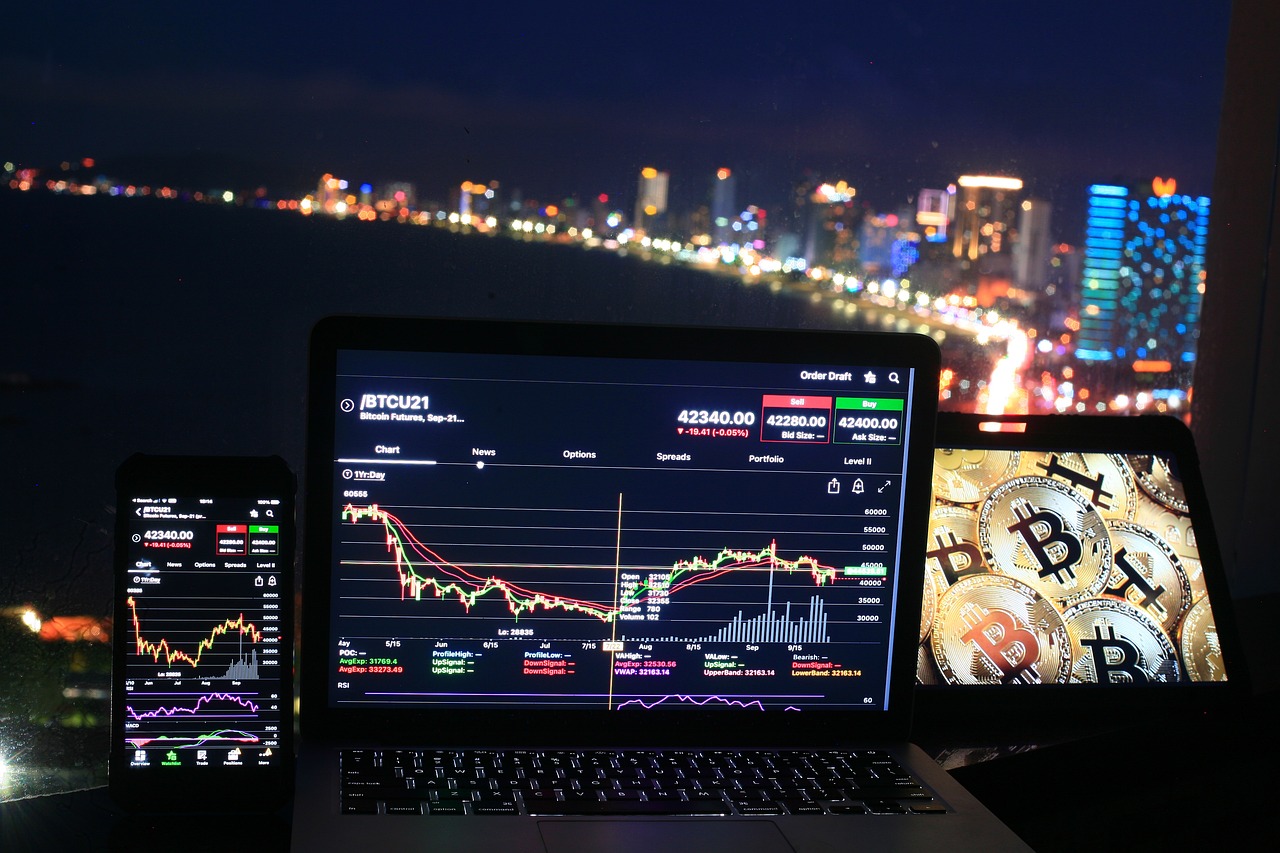
Bitcoin and the broader crypto market took a hit, with $2 billion wiped out in liquidations over the past 24 hours. The sell-off, triggered by a sudden shift in US trade policy, saw traders with long positions facing steep losses, with Ethereum liquidations reaching $528 million and Bitcoin liquidations totalling $421 million. The ripple effect extended to altcoins, with several suffering double-digit percentage drops.
Trump’s weekend announcement of fresh tariffs rattled the market. The US President outlined plans for a 25% tariff on imports from Canada and Mexico, alongside a 10% tariff on Chinese goods. With these measures targeting three of America’s largest trading partners, market reaction was swift. Inflation fears flared as analysts weighed the implications of rising costs for consumers and businesses. While the White House insists that the tariffs will boost American manufacturing, economists warn that they could spark a new wave of inflation, disrupt supply chains, and lead to job losses.
The crypto market, already sensitive to macroeconomic shifts, responded with heavy volatility. A market-wide sell-off slashed total crypto market capitalisation, as traders scrambled to reposition themselves. The liquidation of over $1.7 billion in long positions added further downward pressure, intensifying the price slide. While some see the sharp correction as a necessary shakeout of excess leverage, others argue that deeper fundamental forces are at play.
Trump’s tariff policy is being viewed through the lens of global monetary strategy. The US dollar’s role as the dominant reserve currency hinges on maintaining trade deficits to provide liquidity worldwide. By introducing tariffs, Trump is effectively disrupting this balance. Some analysts suggest that this could set the stage for a new international agreement similar to the 1985 Plaza Accord, where major economies coordinated to weaken the dollar. A weaker dollar would have broad implications, potentially making Bitcoin more attractive as an alternative store of value.
Jeff Park, head of alpha strategies at Bitwise Asset Management, sees a scenario where Trump’s tariff push inadvertently fuels a Bitcoin rally. The argument is that as tariffs drive inflation higher, both domestic and international investors will seek alternatives to traditional financial instruments. With fiat currencies under pressure, Bitcoin could emerge as a preferred hedge against devaluation. Park believes that both US investors and foreign nations facing currency debasement will increasingly turn to Bitcoin, propelling its price higher at a rapid pace.
Market participants are now watching for signals from the Federal Reserve. Lower interest rates, combined with a weaker dollar, could create favourable conditions for Bitcoin adoption. While the short-term market turmoil has unsettled traders, some see an opportunity brewing. If the tariffs accelerate inflation without corresponding rate hikes, Bitcoin could benefit from a renewed narrative as a hedge against economic uncertainty.
Despite the sharp sell-off, Bitcoin remains well above its January lows. Traders will be assessing whether the current dip presents a buying opportunity or if further downside remains. The coming weeks will provide more clarity on the long-term impact of Trump’s tariff play on both traditional markets and the crypto markets.