
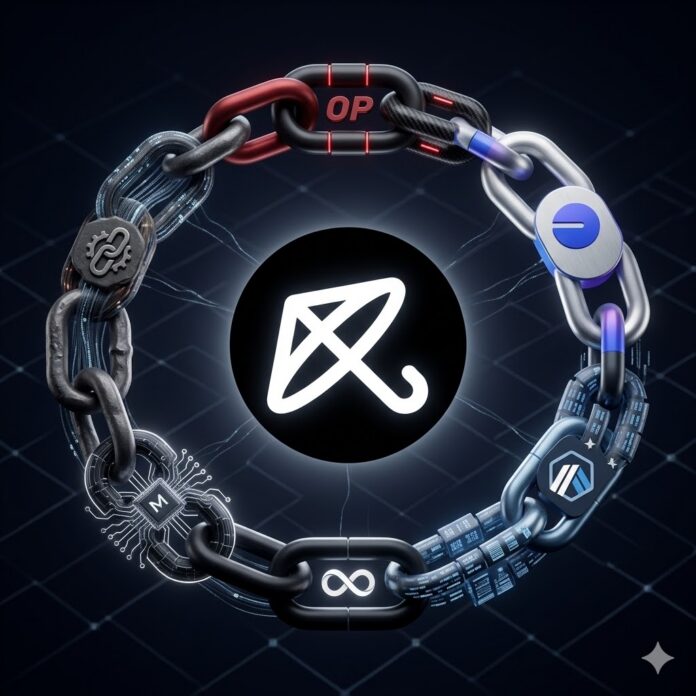
CoreLedger has announced that its Token Economy Operating System, known as TEOS, is now running on the Internet Computer Protocol (ICP) after almost two years of development. The move opens another chapter for the industrial blockchain platform, long used to build custom solutions for sectors such as mining, manufacturing and retail.
TEOS was created to help businesses use distributed ledger technology without rebuilding everything from the ground up. Traditionally compatible with Ethereum‑style environments, it includes tools for managing documentation and certification, integrating stablecoins and implementing precise transaction rules. The aim has been to reduce the time and complexity of blockchain projects by offering a ready‑made framework that can be adapted to niche requirements.
The Internet Computer is a Layer 1 protocol that supports full on‑chain applications with fast processing and low fees, attracting interest from developers who want to build web‑centric blockchain services without leaning on conventional cloud infrastructure. Some observers say its design aims to make decentralised apps easier to deploy and scale.
CoreLedger’s shift to ICP involved rewriting significant parts of its platform, because the architecture differs from the Ethereum Virtual Machine environments TEOS had previously targeted. The company says this work encompassed core contract logic, API layers and user interfaces, reflecting a substantial engineering effort.
One of the capabilities arriving with the ICP launch is TokenWARP, a multi‑party transaction mechanism that can process coordinated operations involving different assets at once. CoreLedger describes this as a patented solution designed to support more intricate decentralised finance scenarios.
Industry figures broadly agree that practical adoption of blockchain by established firms often hinges on reliability and integration ease rather than headline technology claims. Some enterprises have embraced TEOS for use cases ranging from tokenising physical goods to streamlining internal workflows, suggesting there is appetite for modular platforms in this space.
At the same time, the broader ecosystem around ICP shows mixed sentiment. While technical innovations such as full on‑chain applications and rapid transaction speeds draw interest, market commentary points out that price performance and developer activity vary over time. This reflects the wider challenge of attracting sustained enterprise usage in a competitive field of blockchain solutions.
CoreLedger says TEOS on ICP is aimed at commercial, project‑level work rather than consumer products. Firms interested in exploring what the platform can offer are encouraged to make contact, hinting that further partnerships or bespoke deployments could follow.
Dear Reader,
Ledger Life is an independent platform dedicated to covering the Internet Computer (ICP) ecosystem and beyond. We focus on real stories, builder updates, project launches, and the quiet innovations that often get missed.
We’re not backed by sponsors. We rely on readers like you.
If you find value in what we publish—whether it’s deep dives into dApps, explainers on decentralised tech, or just keeping track of what’s moving in Web3—please consider making a donation. It helps us cover costs, stay consistent, and remain truly independent.
Your support goes a long way.
🧠 ICP Principal: ins6i-d53ug-zxmgh-qvum3-r3pvl-ufcvu-bdyon-ovzdy-d26k3-lgq2v-3qe
🧾 ICP Address: f8deb966878f8b83204b251d5d799e0345ea72b8e62e8cf9da8d8830e1b3b05f
Every contribution helps keep the lights on, the stories flowing, and the crypto clutter out.
Thank you for reading, sharing, and being part of this experiment in decentralised media.
—Team Ledger Life

Community Discussion