
Freelancing in the Web3 world has been waiting for something more functional than flashy—less noise, more actual value. ODOC seems to have heard the memo. The platform is tapping into Internet Computer Protocol (ICP) for its backbone, not to chase a trend, but to actually fix things. And it’s doing so at a time when traditional freelancing giants like Upwork and Fiverr are still making hundreds of millions while complaints about platform fees, trust gaps, and unreliable workflows stack up in every corner of the internet.
ICP’s architecture brings built-in storage, near-effortless blockchain fusion, and speed that actually matches Web2 platforms. For a Web3 freelancing platform like ODOC, that means fewer compromises between decentralisation and usability. No plugging together half a dozen tools to make a simple contract work. No trusting third parties to store your data securely. No jumping through hoops to onboard a freelancer who just wants to land their first gig. The result? A much-needed upgrade to the tired interface and expensive middleman-driven models dominating the freelance economy.
ODOC’s public statements show they aren’t just picking ICP for novelty. It’s about infrastructure that delivers. By choosing a protocol that can process data at the speed of modern CPUs and access hundreds of gigabytes of storage natively, the platform sidesteps some of the clunkiness that’s plagued other Web3 ventures. Ethereum smart contracts have opened doors, sure—but the limitations in memory and processing power have kept a lot of more complex applications stuck in the idea phase. ICP skips the bottlenecks.
That might seem like technical background noise, but it has real-world impact. Lower infrastructure costs translate to better prices for freelancers and clients. ODOC isn’t paying through the nose to run its smart contracts, and it isn’t charging users a premium just to break even. That alone is a game-changer. Traditional freelancing platforms can get away with hefty service fees—because there aren’t many truly viable alternatives. But ODOC is making the argument that it doesn’t have to be that way. With the efficiencies ICP brings, they can actually offer freelancers a better deal and still run a sustainable platform.
It’s not just about cost, though. Speed and usability matter just as much. A key reason why most Web3 platforms haven’t cracked the mainstream is that the user experience still feels like beta software—clunky, confusing, and slow. But ICP’s design allows ODOC to serve up interactions that move at web speed. Users don’t need to know what a gas fee is or fiddle with ten browser extensions to make things work. They can sign up, interact, and transact with the kind of fluidity they’re used to on big-name Web2 sites. That alone lowers the barrier to entry.
But perhaps the most interesting part of ODOC’s structure is its approach to trust. Freelancing, by its nature, is a trust-based exchange. A client wants to know they’re not throwing money into the void. A freelancer wants to know they’re not going to deliver work and then be ghosted. ODOC’s system builds in limitations from the start. New users can only make small promises—like $50 gigs—until they’ve built a reputation. That’s a clever move. It prevents both scammers and overpromisers from wreaking havoc on the system. It also mimics the slow, organic trust-building that happens in real work relationships—except with algorithmic backup.
The platform is also laying groundwork for premium memberships with extra perks, once funding kicks in, and it’s putting serious weight behind both digital and offline outreach to grow its user base. These aren’t cosmetic upgrades. They’re part of a longer-term strategy to expand ODOC’s footprint in the market, and they reveal an understanding that decentralised platforms don’t sell themselves. If you want people to switch, you’ve got to make the case—and then back it up with a smooth ride.
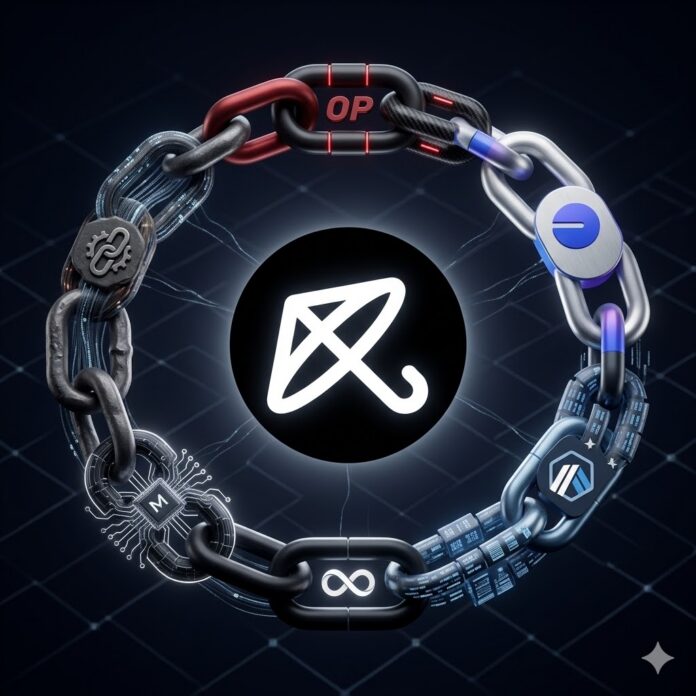
On the technical side, interoperability is a big plus. ODOC users can work across Ethereum, Solana, and MetaMask thanks to ICP’s chain fusion capabilities. That means more flexibility and fewer walled gardens. A freelancer who lives on Solana doesn’t have to abandon everything just to pick up a job through ODOC. A client who’s deep in Ethereum isn’t forced to change tools either. It’s a way of saying: bring your stack, we’ll make it work.
While freelancing platforms often focus on volume—how many users, how many gigs—ODOC seems more interested in quality and reliability. Its trust score feature is another example of that. Rather than treat every user the same, the platform leans into the idea that trust is built over time and should be reflected in the way people engage. Clients can make decisions based on track records. Freelancers can showcase consistent delivery. It’s not just about getting work—it’s about building a reputation that sticks.
The broader Web3 community has been vocal about the need for real utility. There are enough tokens and roadmaps floating around; what’s missing are platforms that quietly, consistently solve real problems. ODOC’s use of ICP doesn’t come with flashy marketing stunts, but it does come with thoughtful choices. From gasless transactions to security that’s baked in, the whole system is trying to make the experience less intimidating and more productive.
There’s also something refreshingly pragmatic about the way ODOC rolls out features. The initial onboarding flow is minimal. Users can dip their toes in without a massive commitment, and the system is structured to support steady growth rather than viral spikes. That kind of slow-and-steady planning tends to pay off long term, especially in ecosystems where hype cycles can burn through attention faster than platforms can deliver.
The timing’s smart, too. As discussions about decentralised identity, AI-driven hiring, and algorithmic decision-making pick up speed, a Web3-native freelancing solution fits the moment. The question isn’t whether freelancing will keep growing—it will. The question is whether platforms like ODOC can offer something that feels both different and dependable.
The move to ICP helps answer that. It reduces friction. It cuts unnecessary costs. It keeps things fast, light, and scalable. And it lets ODOC focus on the one thing that actually matters: making it easier for people to work together and get paid fairly. No fluff. No filler. Just a new infrastructure layer that doesn’t feel like a compromise.
While the tech behind ICP might be complicated, the value it brings to ODOC’s users is straightforward. Lower fees. More speed. Better trust. Those three things are hard to argue with—and harder to find bundled together. That’s probably why ODOC is betting big on ICP. And if it continues to deliver on what it’s building, it won’t need a billboard to get noticed.



Community Discussion