Appic’s DEX Gets a $50K Boost and a Bigger Bridge
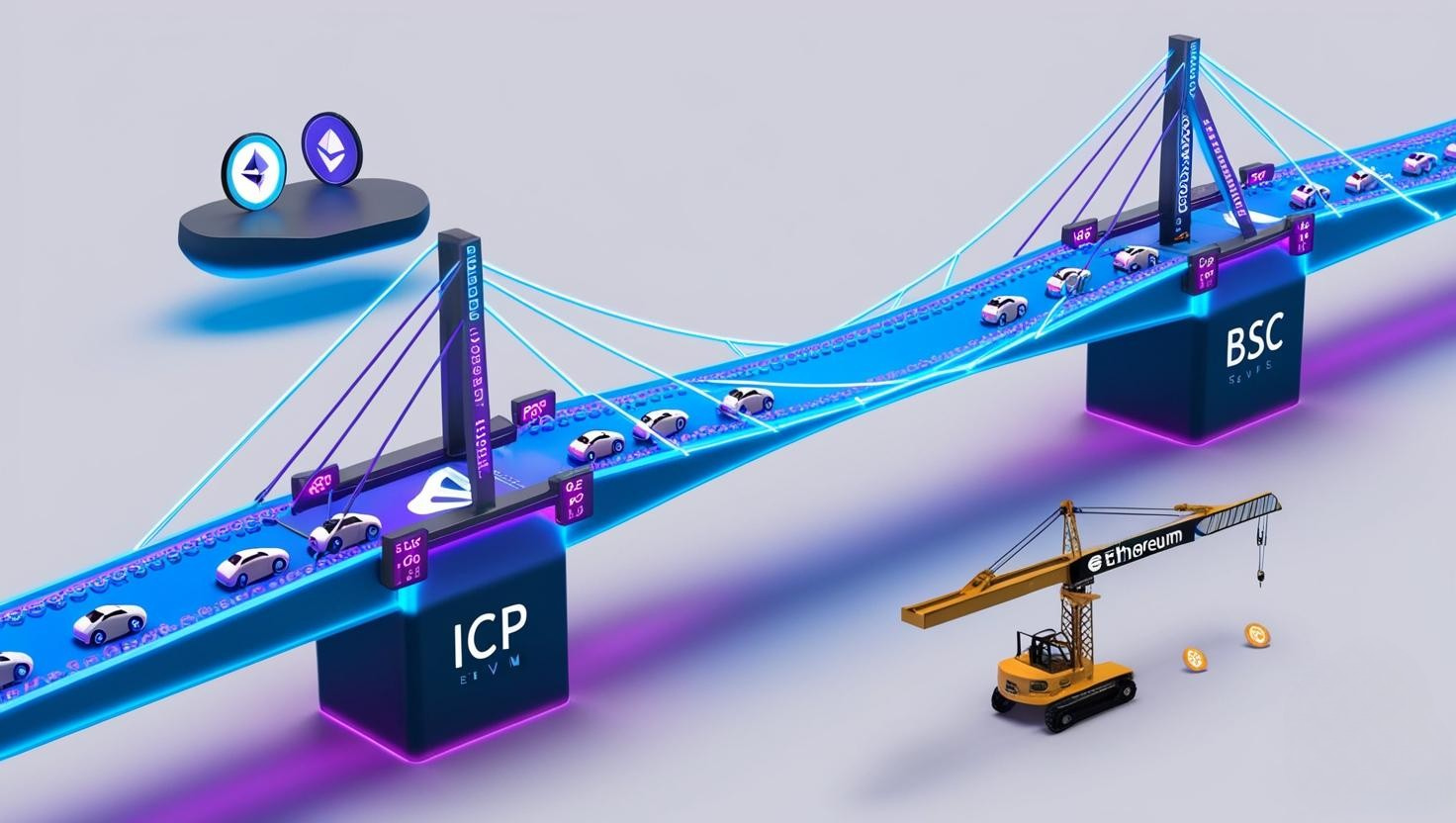
Appic has secured another $50,000 grant from the DFINITY Foundation, marking its third round of funding from the same source and offering a timely push for its decentralised exchange project. The fresh capital injection will go towards building out the ICP to EVM bridge features—part of a broader goal to make interoperability across blockchains smoother and more accessible.
For users already familiar with Appic, the first half of that bridge is operational. Transfers from EVM-compatible chains such as Ethereum, Binance Smart Chain (BSC), and Base to the Internet Computer Protocol (ICP) are already up and running. With this new grant, the team plans to finish the other half—enabling movement from ICP back to those same EVM networks. It’s a move that completes a two-way road between systems that have traditionally operated in isolated silos.
The core idea behind Appic’s decentralised exchange (DEX) project is flexibility. Crypto users tend to straddle multiple blockchains, often juggling assets and protocols across chains that don’t naturally speak the same language. Bridges, in this case, are not just helpful; they’re vital. By adding ICP to EVM capabilities and completing the interoperability loop, Appic is pitching itself as a builder of practical tools in a fragmented digital landscape.
Grants like this from the DFINITY Foundation don’t just hand out money. They often follow progress already made and reinforce projects that have delivered. The fact that this is Appic’s third grant from the foundation signals continued confidence in the team’s direction and technical execution. It also positions Appic as one of the DFINITY Foundation’s more actively supported initiatives in the cross-chain tooling space.
The bridge that Appic is building isn’t theoretical. It already functions one way. Sending assets from Ethereum, Base, or BSC to ICP is a real, accessible process. Now, Appic is working to allow those assets to move back in the opposite direction—completing a feedback loop that lets users shift capital more fluidly between ecosystems. For developers, liquidity providers, and DeFi users, this means fewer friction points and a more cohesive experience, especially when working across decentralised platforms that often have their own quirks and infrastructure.
Appic’s focus on bi-directional transfers between ICP and EVM chains puts it in a category of tools that address one of crypto’s more pressing needs. While many applications have been built to support their own chain or a single environment, few offer the full cycle of interoperability that lets users—and liquidity—flow in and out with equal ease. Completing the ICP → EVM route isn’t just technical hygiene; it opens up a wider range of use cases and user flows. A two-way bridge means more than just convenience. It means dApps on either side can become more integrated, users can arbitrage across environments, and liquidity can actually stay dynamic instead of getting trapped.
This is not a side project for Appic—it’s the core of the DEX vision. The idea is not to mimic existing decentralised exchanges on just another chain, but to build one that feels properly connected to the wider DeFi world. By leveraging the unique strengths of ICP and aligning with popular EVM chains, Appic is attempting to tap into a larger market without compromising on infrastructure or decentralisation.
The DFINITY Foundation’s decision to back this phase of development is notable. As the organisation behind the Internet Computer Protocol, DFINITY has a vested interest in seeing applications that demonstrate real, working use cases for its technology. Appic is offering just that: a tool that could bring more active users and liquidity into the ICP environment while remaining open to movement in the opposite direction.
The Appic team credited both the DFINITY Foundation and their wider community in announcing the funding, and while it was celebratory in tone, there was a clear focus on the next phase of execution. The company’s messaging suggests that this isn’t a resting point—it’s a checkpoint. The bridge already works one way. Now the job is to make sure it works both ways reliably, securely, and with enough throughput to support meaningful activity.
For those watching the interoperability space, the Appic-DFINITY partnership represents something different from grand alliances or massive fundraising rounds. It’s a smaller, iterative form of progress—measured not by hype but by features built and systems connected. The $50,000 might not grab headlines the way some mega-funding rounds do, but in the grant ecosystem, it’s meaningful. It signals a level of trust and a commitment to keep building.
And while the announcement was light on exact timelines, the framing of “this is just the beginning” suggests that Appic sees this step as part of a broader roadmap. It’s easy to forget in fast-moving crypto circles that a functioning bridge between ecosystems is still relatively rare. Many projects talk about cross-chain support. Fewer can point to a working, two-way system. Appic’s ambition is to join that smaller group.
For the community, this announcement brings a renewed sense of traction. For developers building on ICP, it opens up potential access to assets and liquidity from Ethereum and its related chains. For users with assets across networks, it could mean fewer compromises when deciding where to deploy or trade. And for the DFINITY Foundation, it’s another opportunity to show that ICP can support projects that matter beyond its own ecosystem.
Grants are often used to kickstart projects. In this case, they’re reinforcing one that’s already off the ground. Appic isn’t chasing theoretical interoperability—it’s actively writing code, running services, and completing pipelines that crypto users have been asking for. Whether that leads to wider adoption or not will depend on more than technical success. It’ll come down to how useful and intuitive this bridge becomes for everyday users and whether it becomes a go-to route rather than just another option.
The announcement ends with a familiar promise to “stay tuned”, and in this case, there’s enough behind it to believe that more updates are coming. The project’s pace so far has been steady, and the decision to fund another stage suggests there’s more to watch in the weeks ahead. As bridges go, Appic’s isn’t flashy—but it’s aiming to be reliable, usable, and open. And that, in a crowded and often fragmented space, is worth tracking.