Caffeine sets phased rollout dates as it readies for public access and large-scale app creation
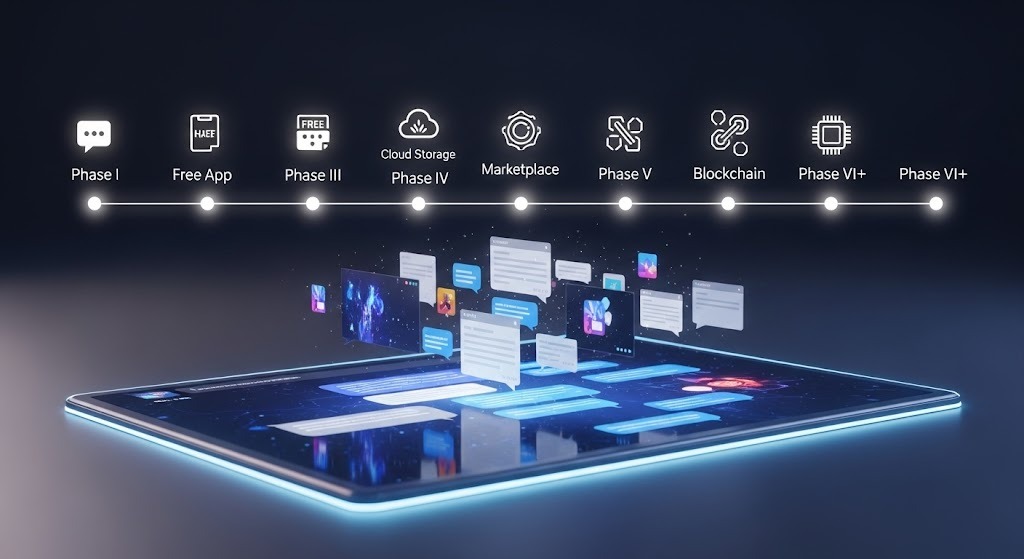
Caffeine has laid out a six-phase schedule for opening its AI-driven app-building platform to the public, with the first milestone expected on 19 August.
Phase I will see the Caffeine master chat made fully open, while access codes will still be needed to build apps. Code distribution is expected to speed up as tens of thousands are already waiting. The team has been reworking its scaling framework so the master chat migration is complete before the doors open.
Phase II, planned for 16 September, will introduce free draft app creation. Everyone in the current queue will be given access codes before general availability.
Phase III, targeting 7 October, will enable pay-for-usage features. This is essential for moving changes from draft apps to live versions that remain permanently online and consume real cycles, as well as supporting the creation of millions of draft apps. The step depends on the integration of a new ICP blob storage service, which is already in internal testing.
The blob storage will offer immutable file storage at about $0.025 per GB, compared with $5 per GB in ICP canister memory. “Once Caffeine is in production, unless the methodology that the AI uses to store e.g. media files changes, storing a 1TB photo collection would cost the user $5,000 a year, which is obviously ridiculous,” the team explained. At the new rate, the same storage would cost around $25 annually in cycles. This shift is seen as key for popular use cases like personal cloud storage and shared photo galleries.
Phase IV will introduce the App Market, allowing anyone to publish, share or sell their creations. “I can’t say much now, but Caffeine’s App Market will work differently to any App Store you’ve probably ever imagined – and in mind-bending ways. It’s going to be very cool and people around the world will gain a whole new way to make money,” the team said.
Phase V will add trustless Web3 multi-chain capabilities, a feature currently restricted while the team addresses complexities in handling draft and live app ledger interactions.
Later phases, without set dates, will focus on ASIC-based acceleration, enterprise collaboration tools, richer conversational workflows, automated migration for enterprise systems and potentially niche coding hooks for advanced users.
Dear Reader,
Ledger Life is an independent platform dedicated to covering the Internet Computer (ICP) ecosystem and beyond. We focus on real stories, builder updates, project launches, and the quiet innovations that often get missed.
We’re not backed by sponsors. We rely on readers like you.
If you find value in what we publish—whether it’s deep dives into dApps, explainers on decentralised tech, or just keeping track of what’s moving in Web3—please consider making a donation. It helps us cover costs, stay consistent, and remain truly independent.
Your support goes a long way.
🧠 ICP Principal: ins6i-d53ug-zxmgh-qvum3-r3pvl-ufcvu-bdyon-ovzdy-d26k3-lgq2v-3qe
🧾 ICP Address: f8deb966878f8b83204b251d5d799e0345ea72b8e62e8cf9da8d8830e1b3b05f
🪙 BTC Wallet: bc1pp5kuez9r2atdmrp4jmu6fxersny4uhnaxyrxau4dg7365je8sy2q9zff6p
Every contribution helps keep the lights on, the stories flowing, and the crypto clutter out.
Thank you for reading, sharing, and being part of this experiment in decentralised media.
—Team Ledger Life