Dmail bets on decentralised identity as trust layer for the Web3 inbox
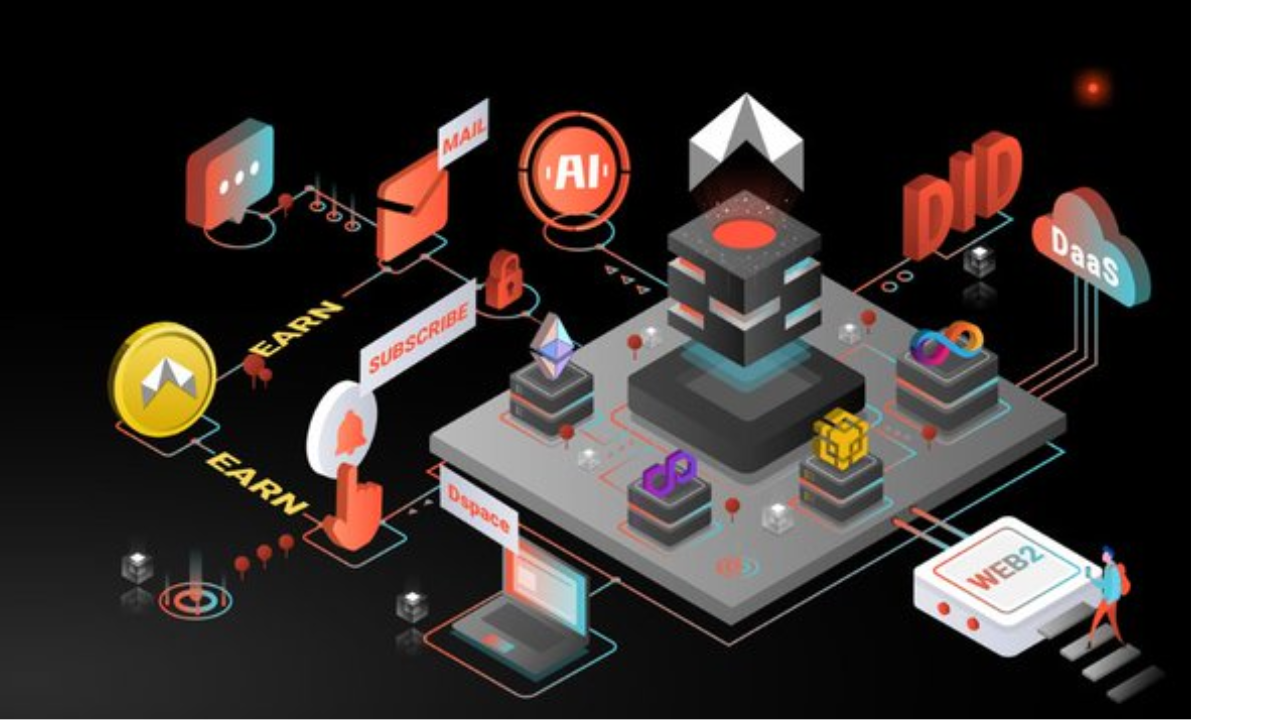
Digital identity has long sat at the centre of how the internet works, yet control over that identity has largely rested with a handful of large platforms. Logins, profiles and communication histories are typically issued and governed by companies such as Google, Apple and Meta, leaving users dependent on third-party systems to exist online. Dmail is positioning itself as an alternative, arguing that decentralised identity should form the basis of trust in a more open internet.
At the core of Dmail’s approach is the use of decentralised identifiers, or DIDs, which link a user’s wallet, messaging activity and chosen domain name into a single verifiable identity. Rather than relying on usernames and passwords, identity is anchored to cryptographic proof recorded on decentralised registries aligned with W3C standards. The company says this allows users to communicate and interact across Web3 without asking permission from central authorities.
Supporters of decentralised identity point to portability as a key advantage. A Dmail DID is designed to move with the user across blockchains and decentralised applications, removing the need to create separate accounts for each service. Public elements such as wallet associations and domain names can be verified on-chain, while private data, including email aliases and message content, remains encrypted under the user’s control.
Dmail’s model also attempts to address a long-standing tension between reputation and privacy. In traditional online platforms, reputation is often tied to visible metrics such as followers or ratings, which disappear when an account is closed. Under a DID framework, reputation can be built through on-chain activity and selectively disclosed, allowing users to prove credibility without revealing unnecessary personal information. Critics, however, have raised broader concerns across the sector about whether on-chain reputation systems could still be gamed or lead to new forms of exclusion if not carefully designed.
Wallet integration plays a central role in making the system work. Dmail identities connect with widely used wallets including MetaMask, Coinbase CDP, OKX and WalletConnect. This creates a link between communication and transactions, where messages can be authenticated through wallet signatures and financial activity can be tied back to a verified identity. The aim is to reduce phishing and impersonation, issues that continue to affect both Web2 and Web3 platforms.
While decentralised identity has been discussed for years, adoption has been uneven. Technical complexity, regulatory uncertainty and user education remain obstacles. Dmail’s challenge will be to show that a DID-based inbox can offer clear, everyday benefits without adding friction for people accustomed to traditional email services.
The broader pitch is straightforward. If Web3 is to support financial systems, social interaction and communication at scale, identity cannot remain an afterthought. Dmail is betting that ownership of identity, rather than reliance on platforms, will become a baseline expectation. Whether users are ready to trade familiar logins for cryptographic proof will shape how quickly that vision takes hold.
Dear Reader,
Ledger Life is an independent platform dedicated to covering the Internet Computer (ICP) ecosystem and beyond. We focus on real stories, builder updates, project launches, and the quiet innovations that often get missed.
We’re not backed by sponsors. We rely on readers like you.
If you find value in what we publish—whether it’s deep dives into dApps, explainers on decentralised tech, or just keeping track of what’s moving in Web3—please consider making a donation. It helps us cover costs, stay consistent, and remain truly independent.
Your support goes a long way.
🧠 ICP Principal: ins6i-d53ug-zxmgh-qvum3-r3pvl-ufcvu-bdyon-ovzdy-d26k3-lgq2v-3qe
🧾 ICP Address: f8deb966878f8b83204b251d5d799e0345ea72b8e62e8cf9da8d8830e1b3b05f
🪙 BTC Wallet: bc1pp5kuez9r2atdmrp4jmu6fxersny4uhnaxyrxau4dg7365je8sy2q9zff6p
Every contribution helps keep the lights on, the stories flowing, and the crypto clutter out.
Thank you for reading, sharing, and being part of this experiment in decentralised media.
—Team Ledger Life