LedgerLife Releases New Book on the Internet Computer as Kindle Edition Becomes Available
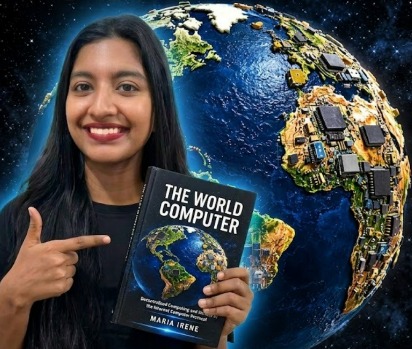
LedgerLife has released a new book examining the technology and ideas behind the Internet Computer Protocol, adding a long-form perspective to the conversation around decentralised computing. Titled The World Computer: Decentralised Computing and the Rise of the Internet Computer Protocol, the book is now available as a Kindle edition through Amazon.
The book, authored by Maria Irene, explores how decentralised computing is shaping new approaches to internet infrastructure. As interest in blockchain technology moves beyond digital currency, developers and researchers have been exploring systems designed to host applications and services on distributed networks rather than traditional centralised servers.
The Internet Computer Protocol, commonly referred to as ICP, is part of that broader effort. The network aims to allow software, data and online services to operate directly on a decentralised system. Supporters believe this approach could introduce alternative ways of building and hosting digital platforms.
The World Computer presents these ideas in accessible language, guiding readers through the basic concepts behind decentralised networks, smart contracts and blockchain-based infrastructure. Rather than focusing solely on technical documentation, the book offers a narrative overview intended for readers who want to understand how these technologies work and why they are attracting attention.
LedgerLife, known for its reporting on digital assets and blockchain innovation, has increasingly expanded its content beyond daily news coverage. The release of the book reflects that broader effort to provide deeper context around emerging technologies that continue to reshape parts of the digital economy.
A central theme of the book is the concept of the “world computer”. The phrase has circulated within blockchain communities for several years and refers to the possibility of a global computing network operating without a central authority. Instead of relying on a single server or cloud provider, such a system distributes computing tasks across multiple independent nodes.
Advocates say decentralised networks could offer greater resilience and transparency in certain applications. At the same time, analysts note that large-scale adoption of such systems remains uncertain, as developers continue to experiment with performance, governance and economic models.
The Internet Computer Protocol has drawn attention within the blockchain sector for attempting to host complete applications directly on a decentralised network. While earlier blockchain projects focused largely on payments and digital assets, newer platforms are exploring how distributed systems might support broader internet services.
Maria Irene’s book places ICP within this wider technological shift. By outlining both the potential and the ongoing challenges facing decentralised computing, the work aims to provide readers with a balanced overview of the topic.
The Kindle edition format allows the book to reach readers worldwide through Amazon’s digital platform. Digital publishing has become an increasingly common route for authors covering technology subjects, allowing information to reach audiences quickly while remaining accessible across different regions.
As discussion around decentralised internet infrastructure continues to expand, publications such as The World Computer attempt to document the ideas shaping the field. The book offers readers an introduction to the principles behind the Internet Computer Protocol and the broader vision of a distributed global network.
The Kindle edition of The World Computer: Decentralised Computing and the Rise of the Internet Computer Protocol, authored by Maria Irene, is available on Amazon:
https://www.amazon.com.au/dp/B0GS9734NR 📘
Dear Reader,
Ledger Life is an independent platform dedicated to covering the Internet Computer (ICP) ecosystem and beyond. We focus on real stories, builder updates, project launches, and the quiet innovations that often get missed.
We’re not backed by sponsors. We rely on readers like you.
If you find value in what we publish—whether it’s deep dives into dApps, explainers on decentralised tech, or just keeping track of what’s moving in Web3—please consider making a donation. It helps us cover costs, stay consistent, and remain truly independent.
Your support goes a long way.
🧠 ICP Principal: ins6i-d53ug-zxmgh-qvum3-r3pvl-ufcvu-bdyon-ovzdy-d26k3-lgq2v-3qe
🧾 ICP Address: f8deb966878f8b83204b251d5d799e0345ea72b8e62e8cf9da8d8830e1b3b05f
Every contribution helps keep the lights on, the stories flowing, and the crypto clutter out.
Thank you for reading, sharing, and being part of this experiment in decentralised media.
—Team Ledger Life