
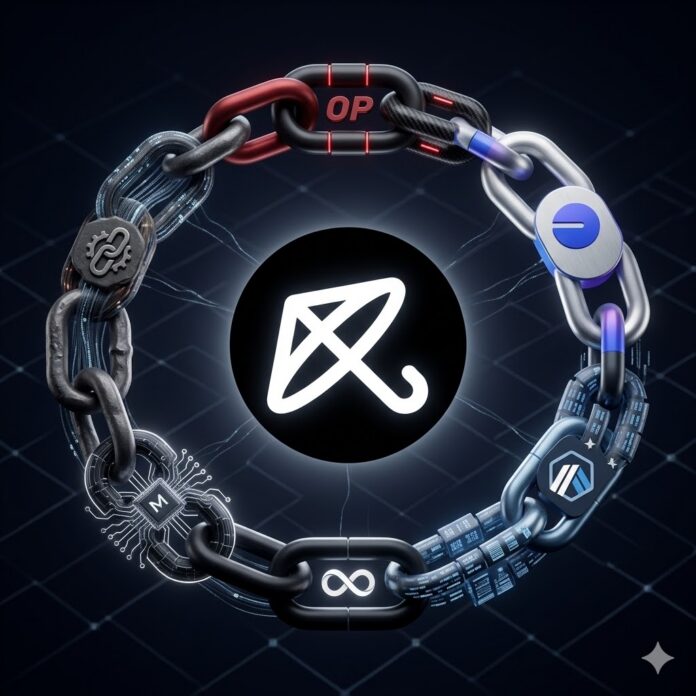
Dominic Williams has sparked fresh conversation on social media about the future of app development, sharing his thoughts on what he calls the “self-writing internet.” His post set out three key ideas — that creating apps should feel like a natural language conversation, that apps should be able to update without risking backend data, and that they should remain secure, resilient, and sovereign.
While those ideas might sound ambitious, they echo the direction the Internet Computer project has been heading for some time. The mention of natural language conversations around app creation taps into a growing interest in how AI tools and coding assistants can simplify development. The hope is that building applications will eventually be more about describing intent than writing lines of code.
The part about apps updating without affecting backend data addresses a common headache for developers — the risk that changes to an app’s design or functionality could break underlying systems or compromise data integrity. If that problem could be solved at the platform level, it would likely ease both development and maintenance.
Security, resilience, and sovereignty have long been part of the Internet Computer’s value pitch. Williams reinforced this in his post, pointing to the need for decentralised applications that are robust and resistant to interference, whether technical or political.
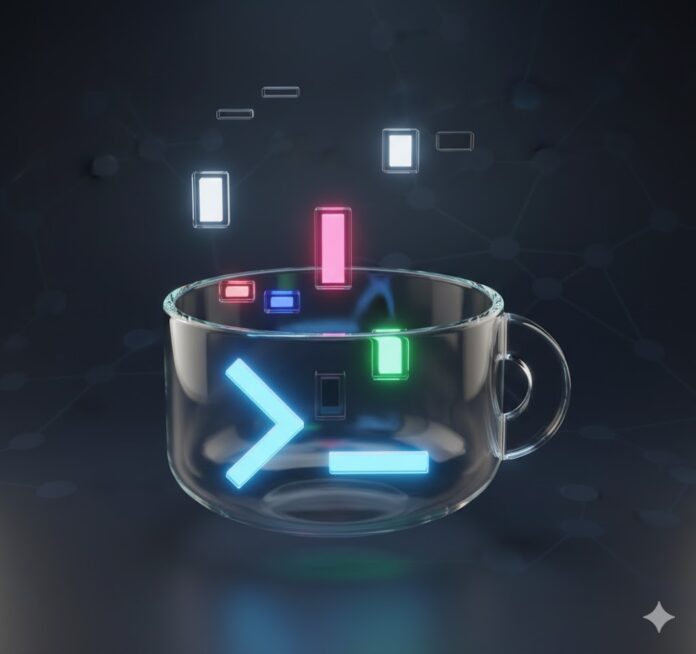
Meanwhile, Josh Drake, COO of Dfinity showcased Caffeine, a tool aimed at making browser game creation simple and shareable. Williams suggested that while vibe coding — casual, quick prototyping — is fine for light games, Caffeine could take projects further, even nudging them toward the world of Web3 esports. The idea is that Caffeine could help developers move from making simple browser games to creating competitive titles that leverage blockchain features, potentially opening new spaces for community-led gaming experiences.
It’s still early days, and whether Caffeine can bridge that gap remains to be seen. But the combination of accessible tools and the push for decentralised infrastructure suggests that platforms like the Internet Computer are laying groundwork for developers looking to experiment beyond conventional web apps.
Williams’ post reads as part reflection, part challenge to the community — asking whether the tools at hand can evolve to meet rising expectations around creativity, security, and user control. As Web3 continues to attract builders from gaming, app development, and beyond, the emphasis on sovereignty and open development environments is likely to remain a key talking point.
Dear Reader,
Ledger Life is an independent platform dedicated to covering the Internet Computer (ICP) ecosystem and beyond. We focus on real stories, builder updates, project launches, and the quiet innovations that often get missed.
We’re not backed by sponsors. We rely on readers like you.
If you find value in what we publish—whether it’s deep dives into dApps, explainers on decentralised tech, or just keeping track of what’s moving in Web3—please consider making a donation. It helps us cover costs, stay consistent, and remain truly independent.
Your support goes a long way.
🧠 ICP Principal: ins6i-d53ug-zxmgh-qvum3-r3pvl-ufcvu-bdyon-ovzdy-d26k3-lgq2v-3qe
🧾 ICP Address: f8deb966878f8b83204b251d5d799e0345ea72b8e62e8cf9da8d8830e1b3b05f
🪙 BTC Wallet: bc1pp5kuez9r2atdmrp4jmu6fxersny4uhnaxyrxau4dg7365je8sy2q9zff6p
Every contribution helps keep the lights on, the stories flowing, and the crypto clutter out.
Thank you for reading, sharing, and being part of this experiment in decentralised media.
—Team Ledger Life


Community Discussion