Dominic Williams Urges Web3 Shift from Hype towards Usable AI Infrastructure
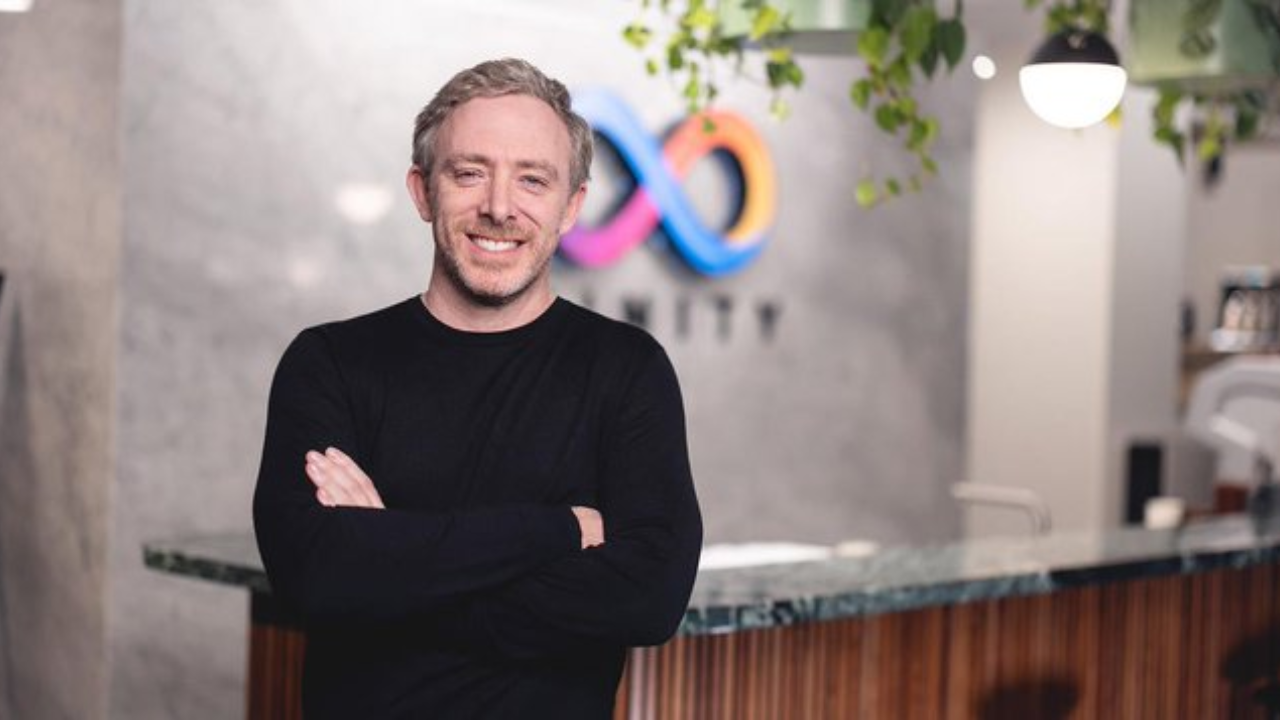
Dominic Williams, CEO and Chief Scientist at DFINITY, challenged the Web3 status quo in a recent post on X, calling for a move beyond the usual focus on memecoins and NFTs. He put forward a broader ambition: giving five billion internet-connected people the ability to build their own online services simply by speaking to a decentralised, AI-powered system he calls the World Computer.
Williams argued that much of the conversation in blockchain circles still revolves around speculative assets. He believes this is holding the space back. Instead, he advocates for infrastructure that can support meaningful, accessible tools. One example he shared was the Internet Computer Protocol’s capacity to run AI models fully on-chain, without relying on external cloud providers. According to him, this allows apps and services to be both transparent and independently verifiable.
He also highlighted an internal DFINITY project known as Caffeine, which allows users to generate and deploy full applications by having a conversation with an AI. From a personal gallery to a business workflow tool, the platform is designed to handle the build, hosting, and updates without requiring coding skills or third-party services.
Key to this approach is what Williams described as orthogonal persistence. In simple terms, it allows applications to retain their data and state through updates, avoiding disruptions or data loss. This is particularly important when using AI to update or improve services on the fly.
Another feature he pointed to is interoperability. Through its chain key cryptography, the Internet Computer can interact directly with networks like Bitcoin or Solana. This is done without the need for private keys, using a secure distributed method that allows for safe cross-chain functionality.
Williams warned that Web3 may lose momentum if it remains tied to speculative trends. He sees AI as the missing layer that can help the sector move towards delivering more practical benefits. Self-generating apps, he argued, could give people the power to build what they need, without the gatekeeping often found in traditional development.
While some remain sceptical, noting that speculative tokens continue to dominate because of their ease and appeal, Williams believes that AI-driven systems could shift focus toward more grounded use cases. He acknowledged the challenge of changing public and industry perceptions but maintained that a better narrative is possible.
The broader market still needs to catch up with this vision. Many blockchain platforms were built for financial transactions rather than hosting complex applications. Williams remains confident that by focusing on tools rather than tokens, Web3 can grow into something far more useful for everyday users.
Whether the industry at large will follow that path is still an open question. For now, the focus at DFINITY appears to be on building the tools to make that shift possible.