Global Liquidity Late in the Cycle — Howell Warns Peak Likely Around Mid-2026
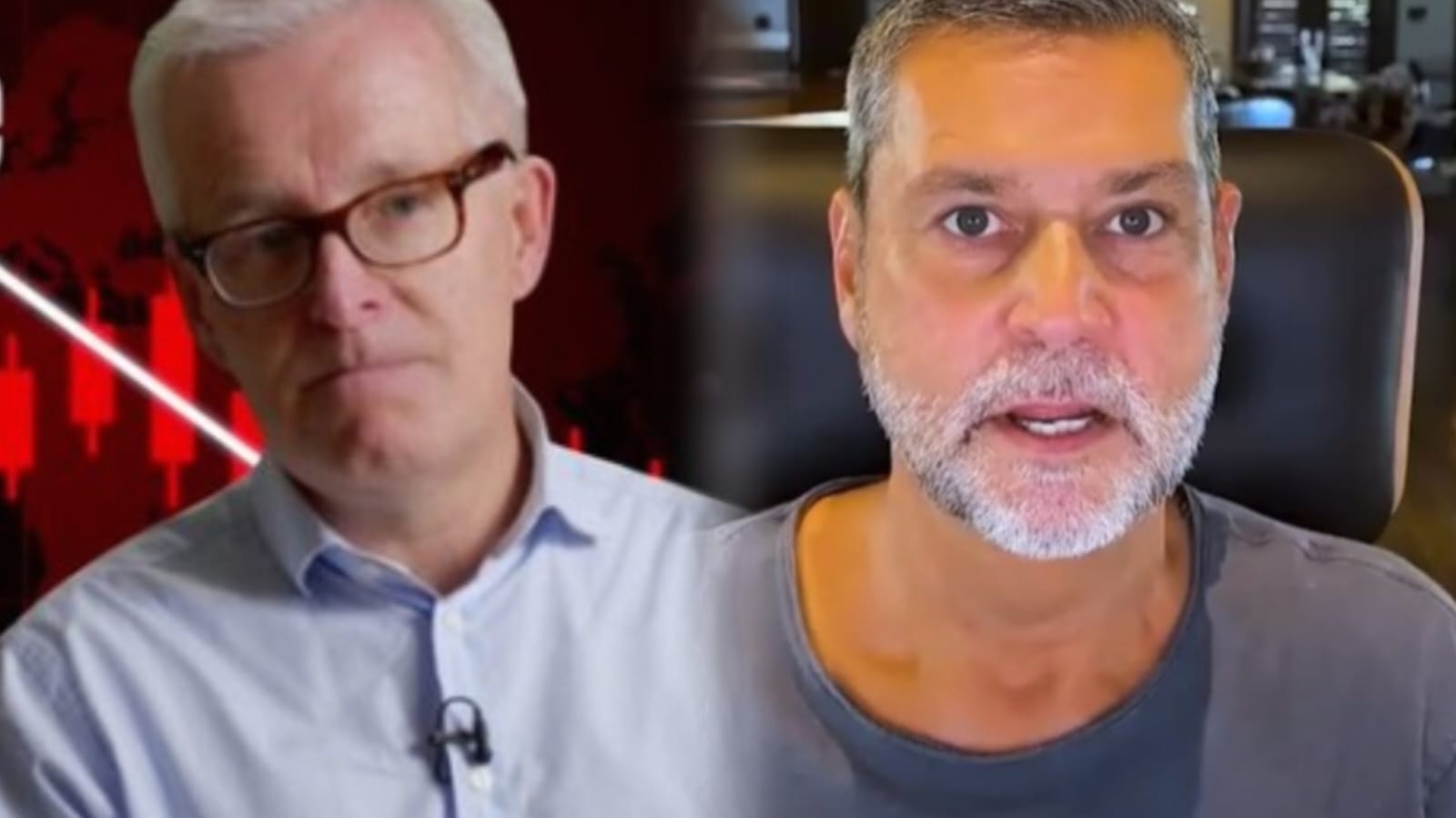
Raoul Pal sat down with Michael Howell, chief executive of CrossBorder Capital, on Real Vision’s Journey Man series to pick apart where the global liquidity cycle stands and what it means for investors. The pair agreed the cycle is running late but still has room, with Howell pointing to early 2026 as a plausible inflection point, while Pal suggested an extension into mid-2025 before any reversal becomes visible.
Much of their exchange centred on how deficits are now being monetised. Howell explained that traditional balance-sheet expansion through the Federal Reserve has been supplemented by more complex mechanisms, from the Treasury General Account to the shift in issuance towards short-dated bills. Pal described it as a move from a simple “Fed net liquidity game” into a broader “total liquidity” calculation that includes private banks acting as conduits. Both noted that commercial banks and even stablecoin issuers are active buyers of bills, which effectively turns government borrowing into monetary fuel.
The conversation inevitably circled back to inflation. Pal drew attention to the difference between monetary inflation and what consumers experience on the high street, warning that productivity gains and imported goods can obscure underlying currency debasement. Howell echoed that investors ultimately need to position around monetary inflation even if retail prices appear contained for now.
Cycles invite comparisons and Howell returned to 1987, citing the Plaza Accord, rising bond yields and a sharp equity sell-off as an analogue worth monitoring. Pal acknowledged the risk but highlighted that the timing could still run longer, keeping markets buoyant until liquidity visibly fades.
The two then walked through Japan, China, Europe and the UK. In Japan, Howell highlighted that pressure is concentrated at the ultra-long end of government bonds, suggesting a rotation into equities rather than a wholesale loss of confidence. Pal questioned why policymakers tolerate it, raising the possibility that Tokyo is under subtle pressure from Washington to keep the yen weak as part of a wider geopolitical strategy.
In China, Howell pointed to liquidity injections from the People’s Bank that are pushing investors out of bonds and into equities, with commodities historically following. Pal noted that rising Chinese yields need not be feared if they reflect recovery rather than distress.
Attention turned to Europe and the UK, where higher yields stem less from demand dynamics and more from supply pressure. Howell argued that both economies are facing the consequences of overextended welfare systems and heavy debt issuance. Pal observed that bond markets are treating Britain and France harshly, reviving questions about fiscal sustainability that few expected outside of Italy or Greece a decade ago.
Their exchange underlined the complexity of this stage in the cycle. Liquidity remains plentiful in parts of the world, but investors are becoming more alert to how governments manage debt, the instruments they issue and the knock-on effects across currencies, bonds, equities and commodities. Pal and Howell may not agree on the precise end date of the cycle, but both see a late stage with investors needing to be vigilant about the risks that follow.