IcyDB Sparks Debate Over Speed, Control and Abstraction on the Internet Computer
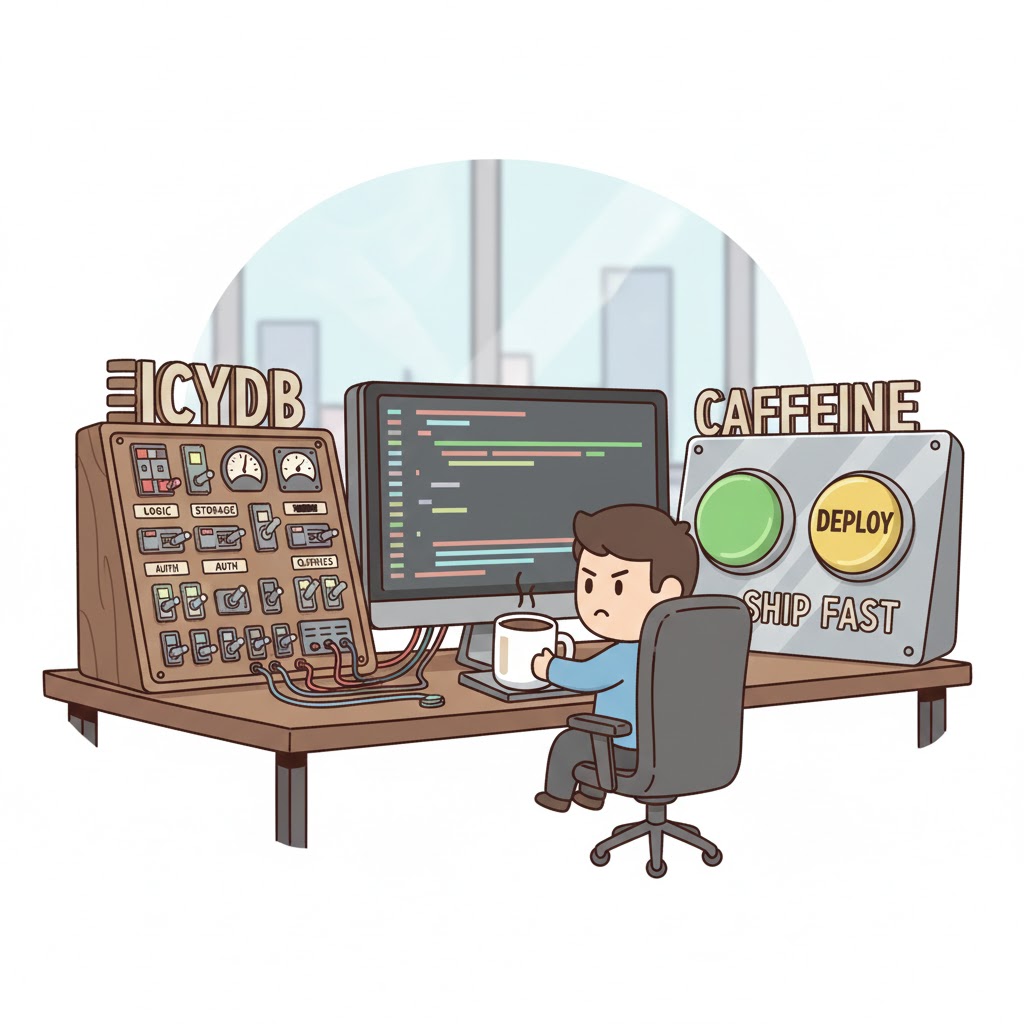
A recent post from a developer at Anvil, part of Neutrinite DAO, has triggered a wider discussion about how AI assisted tooling is reshaping development on the Internet Computer. The developer described cloning the IcyDB repository, opening Claude Code, and using a plain English prompt to generate a production ready database canister in around five minutes. The result included multiple tables, indexes, relationships and roughly ten API endpoints, a task that would usually take far longer when starting directly from Rust or Motoko.
IcyDB itself is a Rust based framework designed to help developers build strongly typed, queryable data models on the Internet Computer. Its feature set is aimed squarely at experienced builders. Entity macros allow schemas to be defined declaratively, queries are type safe, and stable storage is handled through B Tree backed structures with predictable costs. Observability tools such as snapshots, logs and metrics are included by default, and the framework integrates tightly with canister workflows.
Supporters see this as a practical example of how AI tools can compress development time without stripping away control. The developer behind the post described it as a dramatic speed increase while still retaining clean structure and performance. From this perspective, AI is acting as a force multiplier rather than a replacement, especially for teams that already understand the underlying platform.
The comparison with Caffeine, another Internet Computer toolchain, highlights a clear divide in philosophy. IcyDB is positioned as a developer first framework. Users are expected to manage authentication, payments, cycles, canisters, frontend choices and even their own language model agents. When something breaks, the responsibility sits with the developer to read documentation and debug the issue. That level of control allows for deeper and more complex business logic, but it also demands a stronger understanding of how the system works.
Caffeine takes a different route. It abstracts much of that complexity away, handling infrastructure and workflow decisions behind the scenes. The aim is fast shipping with minimal setup, making it accessible to newcomers who want to get a decentralised application running with a few clicks. For some teams, that trade off is worth it. For others, the loss of fine grained control is a limitation rather than a benefit.
The developer also pointed to Sector9 as another example of a focused tool that targets a narrow set of problems and aims to do them extremely well. The analogy offered was simple and effective. A commuter car, an aeroplane and a Formula One car all move people forward, but they are built for very different contexts. Applying that thinking to AI driven development tools helps explain why direct comparisons often miss the point.
There are still open questions. IcyDB does not yet promise backwards compatibility, and its maintainers are clear that breaking changes may occur as the framework evolves. For teams building long lived applications, that uncertainty matters. On the other hand, the project is public, actively maintained, and open to contributions, which gives developers visibility into its direction.
What this discussion ultimately shows is a maturing ecosystem. AI assisted development on the Internet Computer is no longer a single story about speed or ease of use. It is becoming a set of choices shaped by experience, risk tolerance and project goals. Whether a team reaches for IcyDB, Caffeine or something else entirely, the tools now exist to support very different ways of building on the same network.