Liminal launches to help Motoko developers build web-friendly apps on the Internet Computer
Gekctek, an open source developer working in the Internet Computer ecosystem, has released the first version of Liminal, a tool that aims to make web development with Motoko more accessible. The project was supported by a grant from the DFINITY Foundation.
Liminal is built for developers who want to create apps that are web compatible without having to start from scratch. It offers a straightforward framework that covers many of the essentials developers need, from routing and logging to authentication and file uploads.
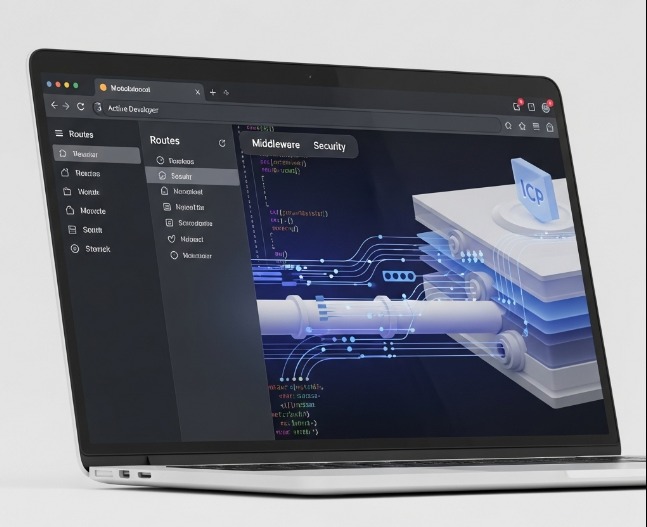
The structure of Liminal is based on middleware, a common approach in modern web development. Developers can mix and match small components that each handle specific tasks, such as managing user logins, checking permissions, or shaping how content is delivered. This setup helps keep code tidy and easier to maintain.
One of the major benefits is how it handles requests. When a user visits a site built with Liminal, the request flows through each middleware layer one by one. These layers can examine the request, take action, and even stop the process if needed. Once a response is ready, it flows back up through the same layers, which can then adjust or add to the response before it reaches the user.
Liminal comes with a wide range of ready to use components. These include tools for rate limiting, content negotiation, and session management. Developers can set limits to prevent spamming, respond to browsers using different formats like JSON or XML, and manage logged in users using simple session tools.
Security and privacy have been built into the framework. It supports JSON Web Tokens and OAuth, allowing developers to set up secure logins using services like GitHub and Google. Middleware can check a user’s identity before granting access to parts of the app, helping to keep private content safe.
For apps that need to serve static files like images or style sheets, Liminal includes tools to manage and deliver those assets efficiently. Developers can also control how files are cached, making sure users always get the most up to date version when needed.
Liminal helps developers manage the unique structure of the Internet Computer without making things complicated. On the platform, there is a distinction between read only requests and ones that modify data. Liminal automatically handles when a request needs to switch modes, restarting it in the right way so developers don’t have to worry about it.
Setting up a project with Liminal is straightforward. Developers define routes for their app, attach middleware to those routes, and then expose the standard web interface. The framework includes examples that show how to build both simple and more advanced applications.
For those handling user data or building apps that require personal accounts, the session and authentication middleware offer a secure and reliable way to keep things under control. Developers can store preferences, check login status, and protect specific routes without writing these features from scratch.
The project is available through the Motoko package manager and is open source, meaning anyone in the community can start using it or contribute improvements. There are also tools to help developers handle file uploads, set security policies, and protect against common attacks like cross site request forgery.
What makes Liminal stand out is how it combines familiar patterns from traditional web development with the requirements of building on a decentralised platform. Developers who have built with tools like Express or Fastify will find the learning curve gentle, but they’ll also get access to the features that make the Internet Computer unique.
Gekctek’s release is already generating interest among developers looking for practical ways to build on the Internet Computer. By providing a tool that simplifies common challenges, Liminal could help increase adoption of Motoko for web development.
As more developers experiment with the Internet Computer, frameworks like Liminal will be a welcome addition. They offer a bridge between the old way of building apps and the new world of decentralised infrastructure, helping developers focus on their ideas without having to reinvent the wheel.
Liminal is part of a broader trend within the Internet Computer community to make development more practical, more open, and more connected to how people actually build on the web. The work from Gekctek shows that grants, open source effort, and a good understanding of developer needs can lead to tools that have a real impact.