Menese Launches Fully On-Chain Sui DEX Execution With Cross-Chain Automation
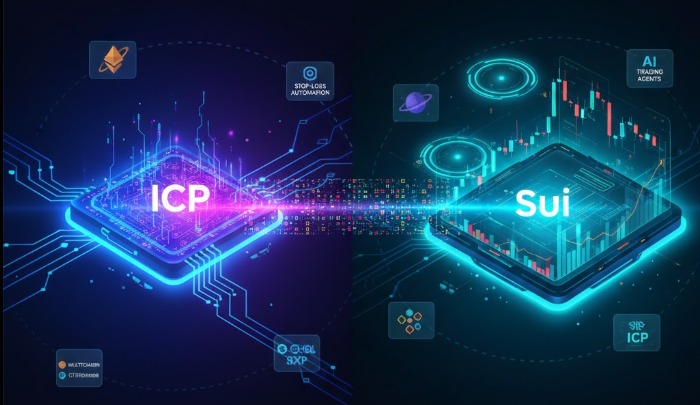
Menese has announced that Sui DEX functionality is now live on its platform, introducing what it describes as tamper-proof, fully on-chain execution for decentralised trading.
The update expands Menese’s multichain scope, adding Sui-based decentralised exchange support alongside networks such as Ethereum, Solana, Cardano, XRP, and the Internet Computer (ICP). The goal is to enable continuous trading activity even in scenarios where frontends, relayers, or other off-chain components experience outages.
According to the team, the core technical shift is that execution is handled end to end on-chain. Communication flows directly from an ICP smart contract to a Sui smart contract, with the ICP side broadcasting directly into Sui infrastructure. Menese says this design removes reliance on third parties, keeps the process non-custodial, and reduces potential points of failure.
This approach speaks to a broader theme in decentralised finance: pushing more of the trading stack fully on-chain rather than depending on intermediaries for routing, automation, or execution. While many DeFi applications market themselves as decentralised, key functions often still rely on off-chain services, which can introduce operational risk.
Menese is also positioning the launch as a foundation for automation and AI agent integrations. The platform suggests users will be able to run strategies such as stop-loss style protections directly through smart contracts, rather than trusting centralised tools or custodial wrappers.
The announcement also pointed to potential implications for existing Sui DEX ecosystems, including Cetus Protocol. Menese claims that protocols operating on Sui could benefit from an upgrade path toward fully on-chain automation, giving users more control over risk management features in a non-custodial manner.
As with any new DeFi execution framework, adoption and real-world performance will be key. Traders and developers will be watching closely to see how resilient the system proves under market stress, and whether fully on-chain cross-chain execution can scale smoothly without introducing new complexity.
For Menese, the launch marks a clear push toward deeper decentralisation in multichain trading infrastructure, with the promise of always-on access and fewer external dependencies.
Dear Reader,
Ledger Life is an independent platform dedicated to covering the Internet Computer (ICP) ecosystem and beyond. We focus on real stories, builder updates, project launches, and the quiet innovations that often get missed.
We’re not backed by sponsors. We rely on readers like you.
If you find value in what we publish—whether it’s deep dives into dApps, explainers on decentralised tech, or just keeping track of what’s moving in Web3—please consider making a donation. It helps us cover costs, stay consistent, and remain truly independent.
Your support goes a long way.
🧠 ICP Principal: ins6i-d53ug-zxmgh-qvum3-r3pvl-ufcvu-bdyon-ovzdy-d26k3-lgq2v-3qe
🧾 ICP Address: f8deb966878f8b83204b251d5d799e0345ea72b8e62e8cf9da8d8830e1b3b05f
Every contribution helps keep the lights on, the stories flowing, and the crypto clutter out.
Thank you for reading, sharing, and being part of this experiment in decentralised media.
—Team Ledger Life