Origyn launches Minting Studio to bring real-world assets on-chain
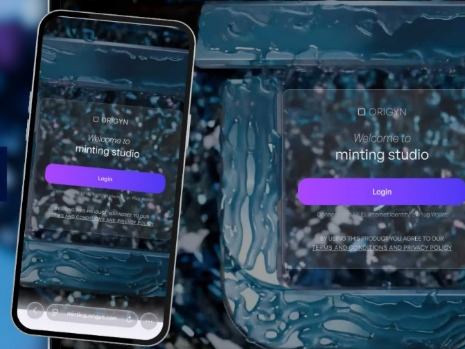
A new tool aimed at simplifying how physical and digital assets are recorded on blockchain networks is now available, with the launch of Minting Studio by Origyn Foundation. The platform is designed to help users create, manage, and register real-world assets on-chain using its native token, OGY.
Minting Studio arrives at a time when interest in tokenising real-world assets continues to build, particularly across sectors such as luxury goods, art, and collectibles. The idea is to link physical items to verifiable digital records, offering a way to track ownership, authenticity, and history through blockchain-based systems.
According to details shared by the organisation, the platform allows users to mint digital certificates tied to assets, which can then be managed within a single interface. The goal is to reduce the friction often associated with blockchain adoption, particularly for businesses that may not have deep technical expertise.
The wider market for asset tokenisation has drawn attention from both startups and established players, though questions remain around standardisation, regulation, and long-term utility. While blockchain records can improve traceability, their effectiveness still depends on how accurately real-world data is captured and maintained at the point of entry.
There is also ongoing debate about adoption. Some industry observers point to the potential for increased transparency and efficiency, while others highlight challenges such as user trust, regulatory clarity, and the integration of these systems into existing business models.
Minting Studio positions itself within this evolving space by focusing on usability and accessibility. By offering tools to bring assets on-chain with a defined workflow, the platform aims to lower the barrier for participation, particularly for brands and creators exploring blockchain-backed authentication.
Whether tools like Minting Studio gain broad traction will depend on how well they address practical concerns beyond the technology itself. For now, its launch adds another option to a growing list of platforms attempting to bridge the gap between physical assets and digital infrastructure.
Dear Reader,
Ledger Life is an independent platform dedicated to covering the Internet Computer (ICP) ecosystem and beyond. We focus on real stories, builder updates, project launches, and the quiet innovations that often get missed.
We’re not backed by sponsors. We rely on readers like you.
If you find value in what we publish—whether it’s deep dives into dApps, explainers on decentralised tech, or just keeping track of what’s moving in Web3—please consider making a donation. It helps us cover costs, stay consistent, and remain truly independent.
Your support goes a long way.
🧠 ICP Principal: ins6i-d53ug-zxmgh-qvum3-r3pvl-ufcvu-bdyon-ovzdy-d26k3-lgq2v-3qe
🧾 ICP Address: f8deb966878f8b83204b251d5d799e0345ea72b8e62e8cf9da8d8830e1b3b05f
Every contribution helps keep the lights on, the stories flowing, and the crypto clutter out.
Thank you for reading, sharing, and being part of this experiment in decentralised media.
—Team Ledger Life