Syron launches to bring Bitcoin-native stablecoins to the Internet Computer

A new decentralised protocol called Syron has launched with the aim of unlocking stablecoin liquidity directly from native Bitcoin, without the need for wrapped tokens or third-party custody. Built on the Internet Computer Protocol (ICP), Syron is offering what it describes as a Bitcoin-native metaprotocol that keeps users in full control of their assets.

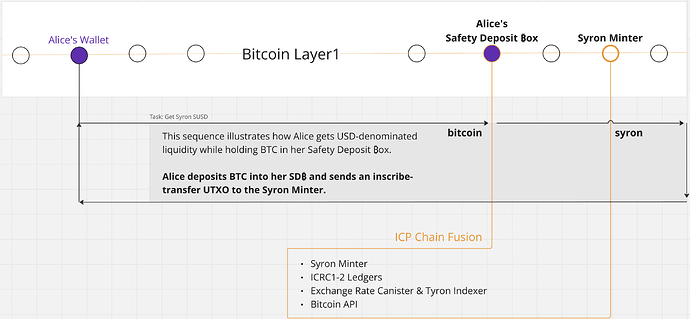
At its core is the concept of a personal smart contract wallet known as the Safety Deposit ₿ox. This wallet operates on ICP but manages Bitcoin directly on Layer 1. Users can deposit BTC into their Safety Deposit ₿ox and mint Syron stablecoins such as SUSD against it. To issue SUSD, users must maintain a collateral ratio of at least 150 per cent. If that ratio drops below 120 per cent, liquidations can be triggered by others on the network, allowing them to claim the collateralised BTC.
image

The idea is to allow people to access liquidity from their Bitcoin holdings without needing to sell the asset or entrust it to a central party. At any point, users can burn the SUSD to withdraw their BTC back into their own wallets. This structure removes the pooled risks associated with traditional lending protocols and puts individual control front and centre.

Transfers are built for speed, with stablecoin payments and BTC purchases taking advantage of ICP’s ability to process transactions with low latency. The system is also designed to support Bitcoin-native standards like BRC-20 and Runes, aiming to provide broader compatibility across decentralised finance platforms.

According to the team behind the project, Syron is offering a way around the usability and custody issues that have long plagued Bitcoin in DeFi circles. Many existing systems require BTC to be wrapped onto another chain, introducing additional trust assumptions and complexity. Syron skips those steps by keeping everything native and automated through smart contracts.

Developers and community members are being invited to contribute feedback on protocol documentation, test DeFi integrations, and help shape the governance model. The project is positioning itself as a toolkit for building Bitcoin-backed dollars that stay true to Bitcoin’s original ethos of user ownership and self-sovereignty.

As decentralised finance continues to grow, protocols like Syron are attempting to bridge the gap between the world’s oldest cryptocurrency and modern smart contract platforms, all while keeping things as transparent and user-owned as possible.

LEAVE A REPLY

Please enter your comment!
Please enter your name here

More like this

Dominic Williams challenges LayerZero’s “onchain cloud” claims over Zero’s...

Dominic Williams, founder of the Internet Computer, has criticised marketing claims around LayerZero’s upcoming network, Zero, arguing...

Bitcoin DeFi Firm Liquidium Explains How ICP Integration Smooths...

Liquidium’s chief executive, Robin Obermaier, discussed how the company uses technology from the Internet Computer Protocol (ICP)...

ICP Technology Continues to Feature in Cambodia’s Development Plans

The Internet Computer Protocol is steadily gaining traction in Asia as governments explore blockchain and sovereign cloud...

A new decentralised protocol called Syron has launched with the aim of unlocking stablecoin liquidity directly from native Bitcoin, without the need for wrapped tokens or third-party custody. Built on the Internet Computer Protocol (ICP), Syron is offering what it describes as a Bitcoin-native metaprotocol that keeps users in full control of their assets.

At its core is the concept of a personal smart contract wallet known as the Safety Deposit ₿ox. This wallet operates on ICP but manages Bitcoin directly on Layer 1. Users can deposit BTC into their Safety Deposit ₿ox and mint Syron stablecoins such as SUSD against it. To issue SUSD, users must maintain a collateral ratio of at least 150 per cent. If that ratio drops below 120 per cent, liquidations can be triggered by others on the network, allowing them to claim the collateralised BTC.

image

The idea is to allow people to access liquidity from their Bitcoin holdings without needing to sell the asset or entrust it to a central party. At any point, users can burn the SUSD to withdraw their BTC back into their own wallets. This structure removes the pooled risks associated with traditional lending protocols and puts individual control front and centre.

Transfers are built for speed, with stablecoin payments and BTC purchases taking advantage of ICP’s ability to process transactions with low latency. The system is also designed to support Bitcoin-native standards like BRC-20 and Runes, aiming to provide broader compatibility across decentralised finance platforms.

According to the team behind the project, Syron is offering a way around the usability and custody issues that have long plagued Bitcoin in DeFi circles. Many existing systems require BTC to be wrapped onto another chain, introducing additional trust assumptions and complexity. Syron skips those steps by keeping everything native and automated through smart contracts.

Developers and community members are being invited to contribute feedback on protocol documentation, test DeFi integrations, and help shape the governance model. The project is positioning itself as a toolkit for building Bitcoin-backed dollars that stay true to Bitcoin’s original ethos of user ownership and self-sovereignty.

As decentralised finance continues to grow, protocols like Syron are attempting to bridge the gap between the world’s oldest cryptocurrency and modern smart contract platforms, all while keeping things as transparent and user-owned as possible.

LEAVE A REPLY

Please enter your comment!
Please enter your name here

More like this

Dominic Williams challenges LayerZero’s “onchain cloud” claims over Zero’s...

Dominic Williams, founder of the Internet Computer, has criticised marketing claims around LayerZero’s upcoming network, Zero, arguing...

Bitcoin DeFi Firm Liquidium Explains How ICP Integration Smooths...

Liquidium’s chief executive, Robin Obermaier, discussed how the company uses technology from the Internet Computer Protocol (ICP)...

ICP Technology Continues to Feature in Cambodia’s Development Plans

The Internet Computer Protocol is steadily gaining traction in Asia as governments explore blockchain and sovereign cloud...

A new decentralised protocol called Syron has launched with the aim of unlocking stablecoin liquidity directly from native Bitcoin, without the need for wrapped tokens or third-party custody. Built on the Internet Computer Protocol (ICP), Syron is offering what it describes as a Bitcoin-native metaprotocol that keeps users in full control of their assets.

At its core is the concept of a personal smart contract wallet known as the Safety Deposit ₿ox. This wallet operates on ICP but manages Bitcoin directly on Layer 1. Users can deposit BTC into their Safety Deposit ₿ox and mint Syron stablecoins such as SUSD against it. To issue SUSD, users must maintain a collateral ratio of at least 150 per cent. If that ratio drops below 120 per cent, liquidations can be triggered by others on the network, allowing them to claim the collateralised BTC.

image

The idea is to allow people to access liquidity from their Bitcoin holdings without needing to sell the asset or entrust it to a central party. At any point, users can burn the SUSD to withdraw their BTC back into their own wallets. This structure removes the pooled risks associated with traditional lending protocols and puts individual control front and centre.

Transfers are built for speed, with stablecoin payments and BTC purchases taking advantage of ICP’s ability to process transactions with low latency. The system is also designed to support Bitcoin-native standards like BRC-20 and Runes, aiming to provide broader compatibility across decentralised finance platforms.

According to the team behind the project, Syron is offering a way around the usability and custody issues that have long plagued Bitcoin in DeFi circles. Many existing systems require BTC to be wrapped onto another chain, introducing additional trust assumptions and complexity. Syron skips those steps by keeping everything native and automated through smart contracts.

Developers and community members are being invited to contribute feedback on protocol documentation, test DeFi integrations, and help shape the governance model. The project is positioning itself as a toolkit for building Bitcoin-backed dollars that stay true to Bitcoin’s original ethos of user ownership and self-sovereignty.

As decentralised finance continues to grow, protocols like Syron are attempting to bridge the gap between the world’s oldest cryptocurrency and modern smart contract platforms, all while keeping things as transparent and user-owned as possible.

LEAVE A REPLY

Please enter your comment!
Please enter your name here

More like this

Dominic Williams challenges LayerZero’s “onchain cloud” claims over Zero’s...

Dominic Williams, founder of the Internet Computer, has criticised marketing claims around LayerZero’s upcoming network, Zero, arguing...

Bitcoin DeFi Firm Liquidium Explains How ICP Integration Smooths...

Liquidium’s chief executive, Robin Obermaier, discussed how the company uses technology from the Internet Computer Protocol (ICP)...

ICP Technology Continues to Feature in Cambodia’s Development Plans

The Internet Computer Protocol is steadily gaining traction in Asia as governments explore blockchain and sovereign cloud...

A new decentralised protocol called Syron has launched with the aim of unlocking stablecoin liquidity directly from native Bitcoin, without the need for wrapped tokens or third-party custody. Built on the Internet Computer Protocol (ICP), Syron is offering what it describes as a Bitcoin-native metaprotocol that keeps users in full control of their assets.

At its core is the concept of a personal smart contract wallet known as the Safety Deposit ₿ox. This wallet operates on ICP but manages Bitcoin directly on Layer 1. Users can deposit BTC into their Safety Deposit ₿ox and mint Syron stablecoins such as SUSD against it. To issue SUSD, users must maintain a collateral ratio of at least 150 per cent. If that ratio drops below 120 per cent, liquidations can be triggered by others on the network, allowing them to claim the collateralised BTC.

image

The idea is to allow people to access liquidity from their Bitcoin holdings without needing to sell the asset or entrust it to a central party. At any point, users can burn the SUSD to withdraw their BTC back into their own wallets. This structure removes the pooled risks associated with traditional lending protocols and puts individual control front and centre.

Transfers are built for speed, with stablecoin payments and BTC purchases taking advantage of ICP’s ability to process transactions with low latency. The system is also designed to support Bitcoin-native standards like BRC-20 and Runes, aiming to provide broader compatibility across decentralised finance platforms.

According to the team behind the project, Syron is offering a way around the usability and custody issues that have long plagued Bitcoin in DeFi circles. Many existing systems require BTC to be wrapped onto another chain, introducing additional trust assumptions and complexity. Syron skips those steps by keeping everything native and automated through smart contracts.

Developers and community members are being invited to contribute feedback on protocol documentation, test DeFi integrations, and help shape the governance model. The project is positioning itself as a toolkit for building Bitcoin-backed dollars that stay true to Bitcoin’s original ethos of user ownership and self-sovereignty.

As decentralised finance continues to grow, protocols like Syron are attempting to bridge the gap between the world’s oldest cryptocurrency and modern smart contract platforms, all while keeping things as transparent and user-owned as possible.

LEAVE A REPLY

Please enter your comment!
Please enter your name here

More like this

Dominic Williams challenges LayerZero’s “onchain cloud” claims over Zero’s...

Dominic Williams, founder of the Internet Computer, has criticised marketing claims around LayerZero’s upcoming network, Zero, arguing...

Bitcoin DeFi Firm Liquidium Explains How ICP Integration Smooths...

Liquidium’s chief executive, Robin Obermaier, discussed how the company uses technology from the Internet Computer Protocol (ICP)...

ICP Technology Continues to Feature in Cambodia’s Development Plans

The Internet Computer Protocol is steadily gaining traction in Asia as governments explore blockchain and sovereign cloud...