Appic and Oisy launch DEX Testnet Sprint with rewards for builders
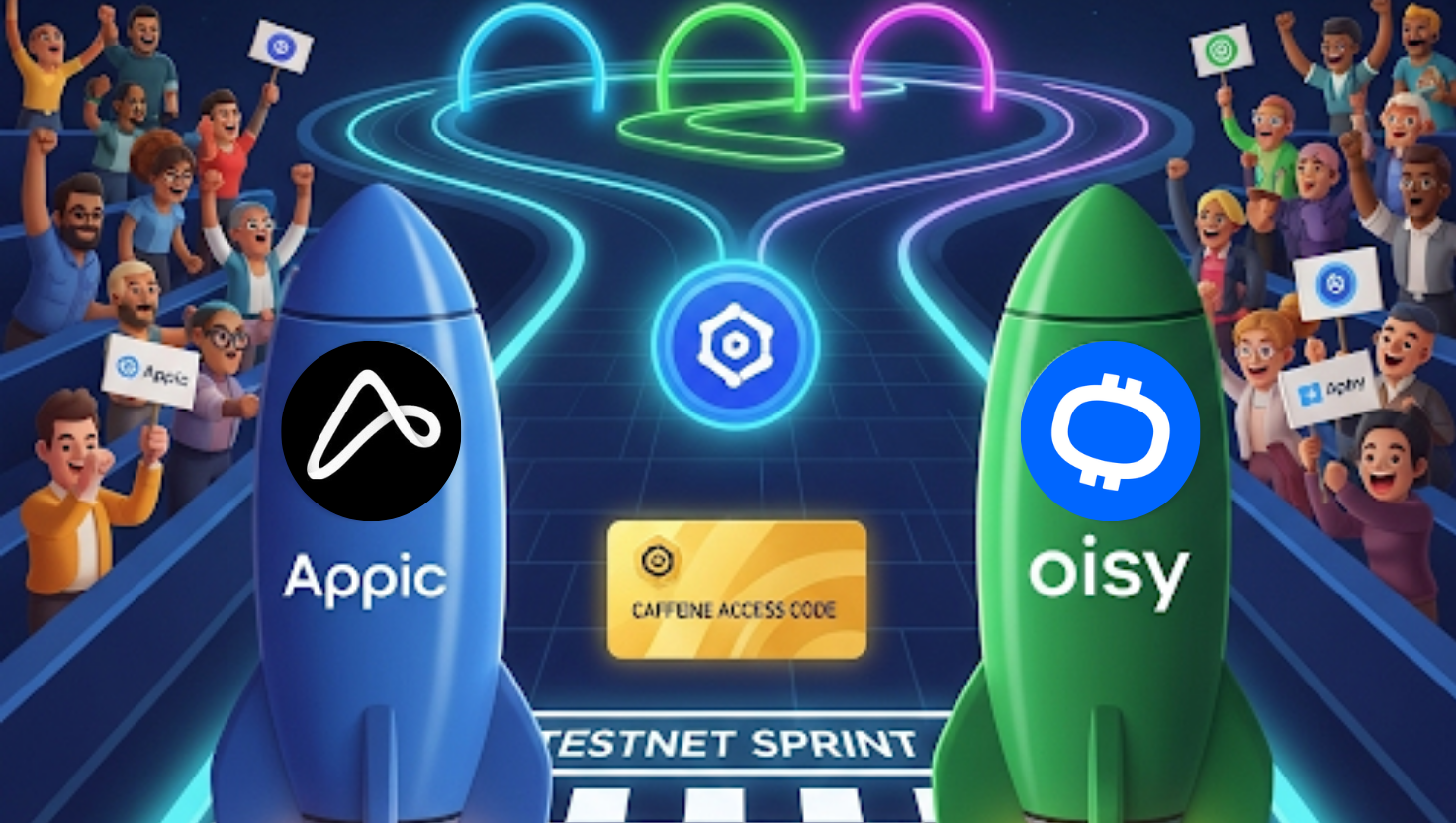
Appic has announced a collaboration with Oisy to launch a DEX Testnet Sprint, inviting builders and users to put its decentralised exchange through rigorous testing. The sprint is designed to strengthen ICP’s DeFi infrastructure by encouraging active participation in swaps, pools and bridging features while gathering feedback to refine the platform.
Running from 3 September at 2pm UTC+1 until 17 September at the same time, the sprint offers rewards for testers. Appic tokens will be distributed, and the top tester will receive an exclusive early-access code for Caffeine, a no-code development tool built on the Internet Computer. Participants are required to register online, test the DEX at the designated link, and share feedback and bug reports through Appic’s Discord or Telegram channels.
Appic’s decentralised exchange aims to become a core building block for DeFi on ICP, and initiatives like this sprint highlight the project’s strategy of involving the community directly in its development. By opening testing to a wider group, Appic and Oisy are able to capture a broader range of user experiences, from casual testers to seasoned developers.
The collaboration between Appic and Oisy also reflects the growing connections within the ICP ecosystem, where independent teams are joining forces to accelerate progress. The reward-based structure ensures that feedback is not only encouraged but valued as part of the project’s evolution.
With DeFi infrastructure still maturing on ICP, events such as this are viewed as opportunities to identify weaknesses, improve user experience and build trust among participants. For Appic, the sprint is a way to showcase its DEX while demonstrating transparency and openness to scrutiny. For users, it offers a chance to influence development while being rewarded for their input.
As testing gets underway, the results will depend heavily on community engagement. The stronger the participation, the more refined the platform is likely to be when it moves beyond the testnet phase.