CLOAD marketplace goes live on ICP with on-chain storage and trading
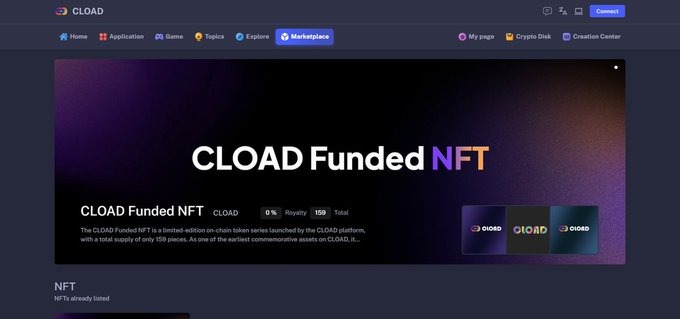
CLOAD marketplace has officially launched, marking a fresh step for the Internet Computer ecosystem. The platform is designed to handle digital assets, applications and games entirely on-chain, offering an alternative to marketplaces that rely on centralised hosting.
The system allows users to trade NFTs with storage and transaction records written directly to the blockchain. CLOAD’s design is aimed at keeping content transparent, tamper-proof and permanently accessible. It supports large file uploads and uses distributed storage to avoid dependence on traditional cloud providers.
For creators, the marketplace provides tools to publish and manage Web3 projects. Users can browse apps, rate them and build collections through personal dashboards that also manage wallets and transaction histories. Built-in payment processing supports ICP and other compatible tokens, with refund options included to protect buyers.
Beyond trading, CLOAD positions itself as an app store for Web3, aiming to provide a secure environment where developers and players interact without intermediaries. The team has stated that more features will be added over time, including compatibility with further ICP standards and broader digital asset support.
The marketplace has also introduced its own governance system, allowing holders of its token to influence how the platform evolves. This model places decisions around upgrades and incentives into the hands of its community rather than a central authority.
CLOAD’s success will depend on adoption and usability. While its on-chain approach highlights permanence and transparency, questions remain over how well it can scale, how user-friendly it will be for those outside the crypto community, and how it will compete with larger, established marketplaces.
Dear Reader,
Ledger Life is an independent platform dedicated to covering the Internet Computer (ICP) ecosystem and beyond. We focus on real stories, builder updates, project launches, and the quiet innovations that often get missed.
We’re not backed by sponsors. We rely on readers like you.
If you find value in what we publish—whether it’s deep dives into dApps, explainers on decentralised tech, or just keeping track of what’s moving in Web3—please consider making a donation. It helps us cover costs, stay consistent, and remain truly independent.
Your support goes a long way.
🧠 ICP Principal: ins6i-d53ug-zxmgh-qvum3-r3pvl-ufcvu-bdyon-ovzdy-d26k3-lgq2v-3qe
🧾 ICP Address: f8deb966878f8b83204b251d5d799e0345ea72b8e62e8cf9da8d8830e1b3b05f
🪙 BTC Wallet: bc1pp5kuez9r2atdmrp4jmu6fxersny4uhnaxyrxau4dg7365je8sy2q9zff6p
Every contribution helps keep the lights on, the stories flowing, and the crypto clutter out.
Thank you for reading, sharing, and being part of this experiment in decentralised media.
—Team Ledger Life