Dmail joins Astar’s dApp Staking to grow decentralised communication
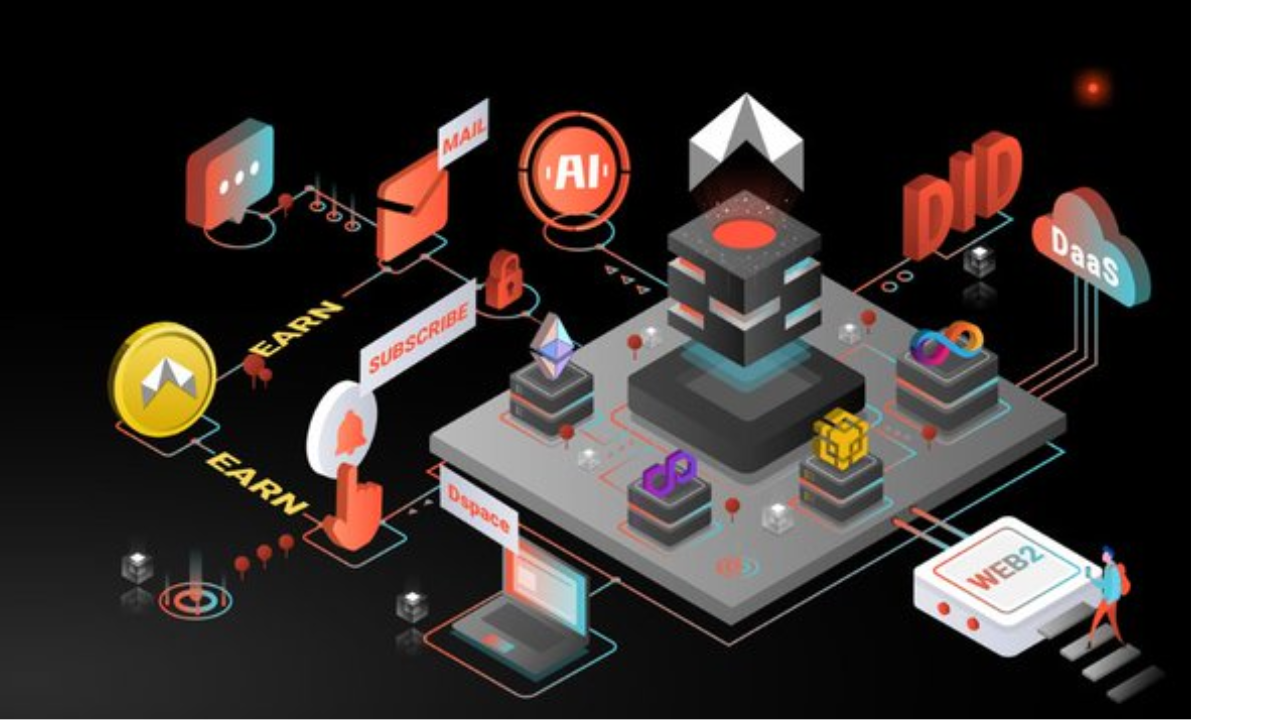
Dmail Network has been approved for inclusion in Astar Network’s dApp Staking programme, giving Astar users a way to support decentralised communication while earning rewards on their $ASTR holdings. The move marks a deeper integration between Dmail and the Polkadot ecosystem, reflecting growing collaboration between communication protocols and multichain infrastructure projects.
Astar’s dApp Staking model works as a shared reward system between developers and token holders. Builders on Astar receive part of their funding from community staking rather than venture capital or foundation grants, while stakers earn a portion of rewards by supporting the projects they value. The setup is designed to maintain a sustainable flow of resources and engagement within the network, encouraging projects to stay active and users to stay involved.
For Dmail, joining the programme brings both visibility and stability. The platform positions itself as a decentralised communication layer for Web3, offering encrypted messaging, digital asset transfer and identity management across multiple chains. With deployments already running on more than 40 blockchains, its inclusion in Astar’s staking system introduces another avenue for community-backed growth.
A verified dApp contract is now active on Astar EVM, following approval from the Astar Community Council. From this point, users can stake ASTR directly to Dmail through Astar’s official staking portal. Participants who do so earn staking rewards while supporting the development of a privacy-focused, cross-chain messaging network.
The model is built around shared benefit. Developers gain predictable income to continue building, stakers receive tangible rewards, and the broader ecosystem gains access to a steadily expanding set of tools. For users, this offers a more participatory role in Web3’s growth — one where staking becomes a form of direct contribution to network utility, not just passive yield farming.
Dmail’s integration into Astar’s staking framework reflects a gradual shift in how decentralised projects sustain themselves. Instead of depending on external funding cycles, projects can rely on community-driven economic loops that reward both effort and belief. As communication tools like Dmail mature across networks, the success of such partnerships will likely influence how future Web3 services structure their funding and community engagement.
Dear Reader,
Ledger Life is an independent platform dedicated to covering the Internet Computer (ICP) ecosystem and beyond. We focus on real stories, builder updates, project launches, and the quiet innovations that often get missed.
We’re not backed by sponsors. We rely on readers like you.
If you find value in what we publish—whether it’s deep dives into dApps, explainers on decentralised tech, or just keeping track of what’s moving in Web3—please consider making a donation. It helps us cover costs, stay consistent, and remain truly independent.
Your support goes a long way.
🧠 ICP Principal: ins6i-d53ug-zxmgh-qvum3-r3pvl-ufcvu-bdyon-ovzdy-d26k3-lgq2v-3qe
🧾 ICP Address: f8deb966878f8b83204b251d5d799e0345ea72b8e62e8cf9da8d8830e1b3b05f
🪙 BTC Wallet: bc1pp5kuez9r2atdmrp4jmu6fxersny4uhnaxyrxau4dg7365je8sy2q9zff6p
Every contribution helps keep the lights on, the stories flowing, and the crypto clutter out.
Thank you for reading, sharing, and being part of this experiment in decentralised media.
—Team Ledger Life