Prompt-built piano shows how AI tools are changing app development
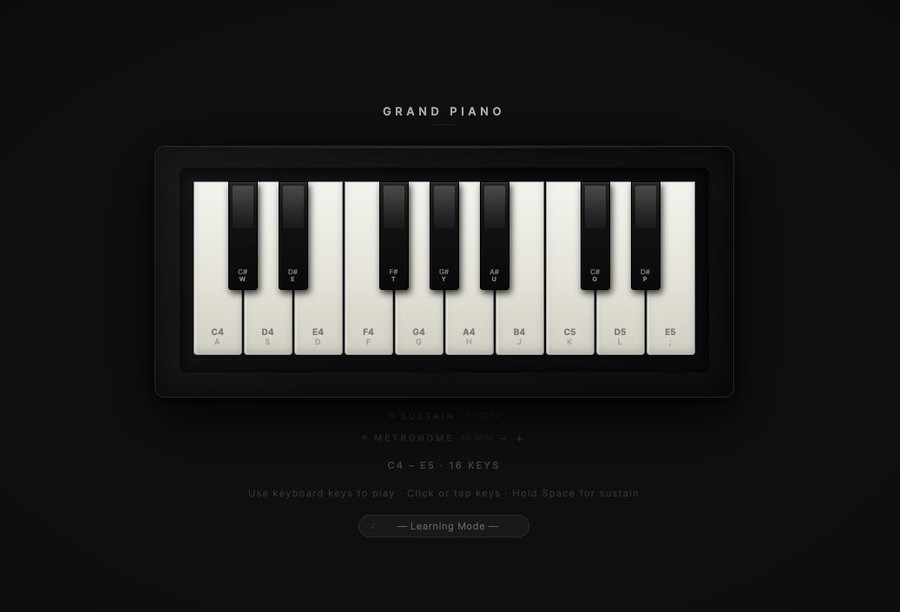
A developer has demonstrated how conversational AI tools are reshaping the way digital products are built, creating a fully playable piano interface without writing traditional code.
The project, shared by leftonredtweets, was built using CaffeineAI and highlights how prompt-based workflows are being used to construct interactive applications. The piano includes features such as realistic audio, a sustain pedal, a metronome and a guided learning mode.
Rather than relying on manual coding, the developer described the process as a structured conversation with the AI tool. A single prompt outlining the core idea, a 16-key piano with accurate layout and responsive key animation, formed the starting point. From there, the system asked follow-up questions about octave range, input methods and visual design, refining the build step by step.
Over multiple iterations, additional features were layered into the application. These included keyboard input support, adjustable tempo controls ranging from 40 to 200 beats per minute, and a learning mode designed to guide users through beginner songs. A sustain function was also added, allowing notes to be held using a keyboard command.
The approach reflects a broader shift in software development, where AI-assisted tools are lowering barriers for building functional prototypes and interactive tools. By handling much of the underlying structure, these systems allow users to focus on design and behaviour rather than syntax.
At the same time, questions remain about how far such tools can go in replacing traditional development practices. While they can accelerate early-stage builds and experimentation, more complex or large-scale applications may still require deeper technical oversight, particularly in areas such as performance, security and scalability.
The piano example sits within a growing set of projects that demonstrate what prompt-based development can achieve. For creators without formal coding backgrounds, tools like CaffeineAI offer a way to build working applications through guided interaction rather than conventional programming.
For experienced developers, the technology may serve more as a productivity layer, helping to prototype ideas quickly or automate repetitive tasks. Either way, the direction is clear. Building software is becoming more conversational, with the line between idea and execution narrowing as tools continue to evolve.
The piano itself may be a simple concept, but it illustrates a wider change in how digital products are created, tested and shared.
Dear Reader,
Ledger Life is an independent platform dedicated to covering the Internet Computer (ICP) ecosystem and beyond. We focus on real stories, builder updates, project launches, and the quiet innovations that often get missed.
We’re not backed by sponsors. We rely on readers like you.
If you find value in what we publish—whether it’s deep dives into dApps, explainers on decentralised tech, or just keeping track of what’s moving in Web3—please consider making a donation. It helps us cover costs, stay consistent, and remain truly independent.
Your support goes a long way.
🧠 ICP Principal: ins6i-d53ug-zxmgh-qvum3-r3pvl-ufcvu-bdyon-ovzdy-d26k3-lgq2v-3qe
🧾 ICP Address: f8deb966878f8b83204b251d5d799e0345ea72b8e62e8cf9da8d8830e1b3b05f
Every contribution helps keep the lights on, the stories flowing, and the crypto clutter out.
Thank you for reading, sharing, and being part of this experiment in decentralised media.
—Team Ledger Life