ICP-Based Backup System Promises Faster Recovery for WordPress Sites During Outages
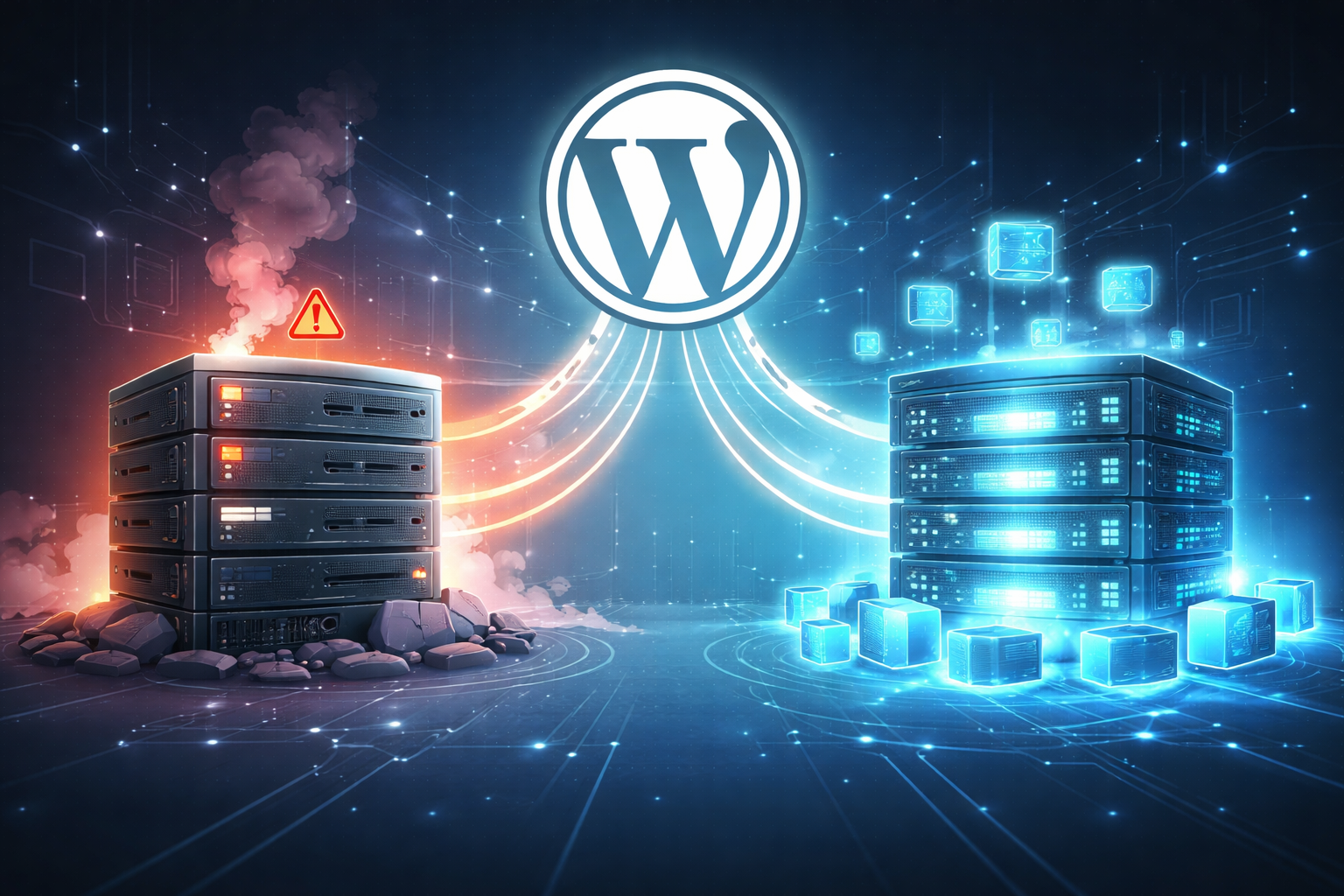
A new approach to WordPress resilience is gaining attention as developers explore how blockchain infrastructure could reduce downtime and limit losses during hosting failures.
The idea centres on combining traditional server environments with disaster recovery handled through the Internet Computer Protocol (ICP). In this model, the WordPress backend continues to run on trusted execution environment (TEE) servers, while a live backup system operates at the canister level on ICP.
Supporters say this creates a recovery process that is far more automated than conventional hosting setups. If a WordPress backend fails, the ICP canister is designed to detect the outage within seconds and restore the entire site in under a minute, without requiring manual intervention. Instead of waiting for engineers to diagnose problems, reboot servers, or restore from offline backups, recovery is intended to happen as part of the system’s design.
The core of the model is continuous synchronisation. Website databases and files are mirrored into canisters in real time, meaning a fresh backup is always available. If the primary server crashes or becomes unreachable, the blockchain-based copy can be used to rebuild the site quickly, reducing the usual gaps that come with scheduled backups or delayed recovery plans.
This has particular relevance for businesses running online stores. Downtime in e-commerce often translates directly into lost sales, abandoned carts, and customer frustration. Traditional hosting outages that stretch from 15 to 60 minutes can cost merchants thousands, especially during peak shopping periods. By contrast, advocates of this system claim failover can occur in under 10 seconds to two minutes, allowing customers to continue browsing and buying with minimal disruption.
Another feature highlighted is the ability to queue activity on-chain. Orders, payment-related events, and form submissions can be captured even if the backend is temporarily unstable. That reduces the risk of losing customer data or missing purchases during an outage, a common issue when sites go offline unexpectedly.
The broader appeal lies in automation and reliability. Many WordPress site owners rely on manual recovery processes, third-party plugins, or hosting provider support when something breaks. A canister-level backup and restoration mechanism could shift disaster recovery from an emergency response into something closer to an always-on safety net.
Still, the concept is relatively new and will likely face scrutiny around cost, complexity, and integration. WordPress powers a large portion of the internet, and most site operators prioritise simplicity. For widespread adoption, these systems would need to prove that the added infrastructure delivers consistent performance without creating new technical burdens.
Even so, the approach reflects a wider push to bring decentralised technology into everyday web services. Rather than focusing purely on speculative use cases, projects like this aim to solve practical problems such as uptime, data protection, and business continuity.
If the model performs as described in real-world conditions, it could offer WordPress users a new way to think about hosting, where outages become shorter, recovery becomes automatic, and downtime is less costly.