Internet Computer proposal calls for removal of four node providers over conduct concerns
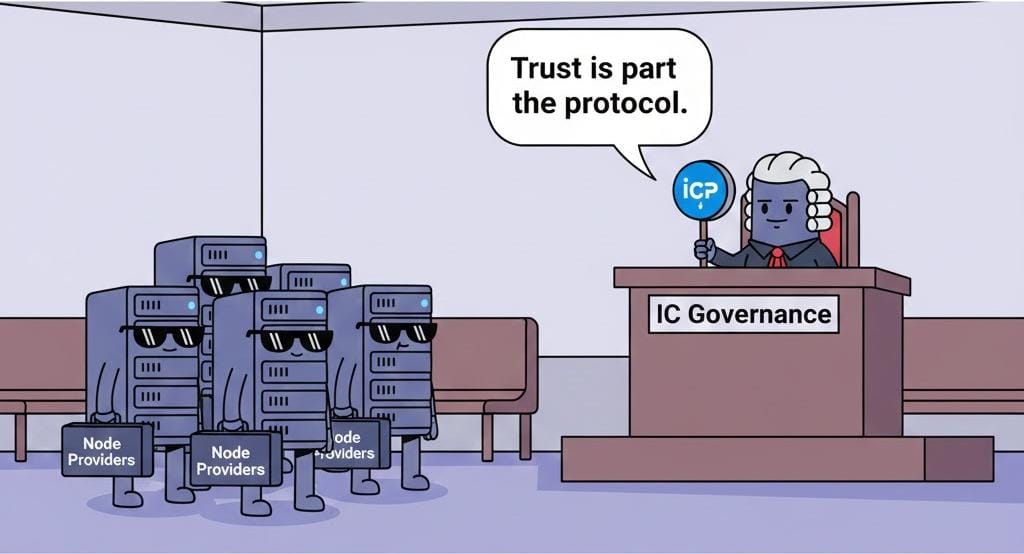
A new governance proposal on the Internet Computer is pushing for the removal of four node providers, arguing that their continued presence undermines trust in the network and damages confidence in its decentralised governance model.
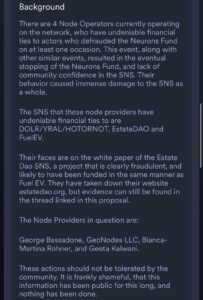
The proposal, known as Mission 70.1, calls for the offboarding of node operators alleged to have financial ties to projects linked to past fraud involving the Neurons Fund. According to the author, these links contributed to losses that ultimately led to the fund being shut down and weakened confidence in parts of the Service Nervous System ecosystem.
The node providers named in the proposal are George Bassadone, GeoNodes LLC, Bianca Martina Rohner and Geeta Kalwani. The author claims these operators have connections to several SNS projects, including DOLR, YRAL, HOTORNOT, EstateDAO and FuelEV. EstateDAO is described in the proposal as fraudulent, with references to archived material after its website was taken offline. These allegations, while strongly worded, have not yet been tested through any formal adjudication process on-chain.
The proposal argues that the issue goes beyond individual projects and speaks to broader standards of behaviour for node operators. It suggests that allowing operators with disputed histories to remain active sets a poor precedent for the network, particularly for retail participants who rely on governance safeguards to protect the integrity of the protocol.
Under the proposed course of action, a grace period of up to one month would be used to assess offboarding. This would involve coordination between the DFINITY Foundation and the community to submit and vote on the necessary proposals to unassign and eventually remove the affected nodes, while assigning replacements. The author acknowledges lacking the technical expertise to carry out this process alone and calls for collective input.
Supporters of the proposal point to potential economic benefits alongside governance concerns. The four providers operate a combined total of 49 node machines. Removing them would reduce the total number of machines on the network and deliver an estimated three per cent reduction in minted node provider rewards. With only about half of the network’s existing machines currently assigned active work, proponents argue that the reduction would not harm performance.
At the same time, the proposal openly recognises its downsides. Removing node providers would amount to an admission that earlier governance failures were not addressed in time. The author frames this as an uncomfortable but necessary step if the community wants to restore credibility and avoid repeating past mistakes.
The submission also places responsibility squarely on DFINITY leadership, urging the foundation to demonstrate that community interests take priority over corporate relationships. That appeal is likely to resonate with some token holders, while others may question whether governance proposals are the right mechanism to resolve allegations that could have legal and reputational consequences.
The author, who identifies as Dan and uses the handle WebTree on the forums, describes himself as a long-time Internet Computer builder working on small projects for local businesses. He positions the proposal as a matter of principle rather than profit, drawing on experiences from his professional life to argue for ethical decision-making even when it comes at a cost.
As with many contentious governance debates, the outcome will depend on how the wider community weighs evidence, intent and precedent. The proposal has reopened discussion around accountability for node providers and whether the Internet Computer’s governance system is equipped to deal with conduct that sits in the grey area between technical compliance and community trust.
Dear Reader,
Ledger Life is an independent platform dedicated to covering the Internet Computer (ICP) ecosystem and beyond. We focus on real stories, builder updates, project launches, and the quiet innovations that often get missed.
We’re not backed by sponsors. We rely on readers like you.
If you find value in what we publish—whether it’s deep dives into dApps, explainers on decentralised tech, or just keeping track of what’s moving in Web3—please consider making a donation. It helps us cover costs, stay consistent, and remain truly independent.
Your support goes a long way.
🧠 ICP Principal: ins6i-d53ug-zxmgh-qvum3-r3pvl-ufcvu-bdyon-ovzdy-d26k3-lgq2v-3qe
🧾 ICP Address: f8deb966878f8b83204b251d5d799e0345ea72b8e62e8cf9da8d8830e1b3b05f
🪙 BTC Wallet: bc1pp5kuez9r2atdmrp4jmu6fxersny4uhnaxyrxau4dg7365je8sy2q9zff6p
Every contribution helps keep the lights on, the stories flowing, and the crypto clutter out.
Thank you for reading, sharing, and being part of this experiment in decentralised media.
—Team Ledger Life