Ledger hardware wallets bring clear-signing to ICP transactions
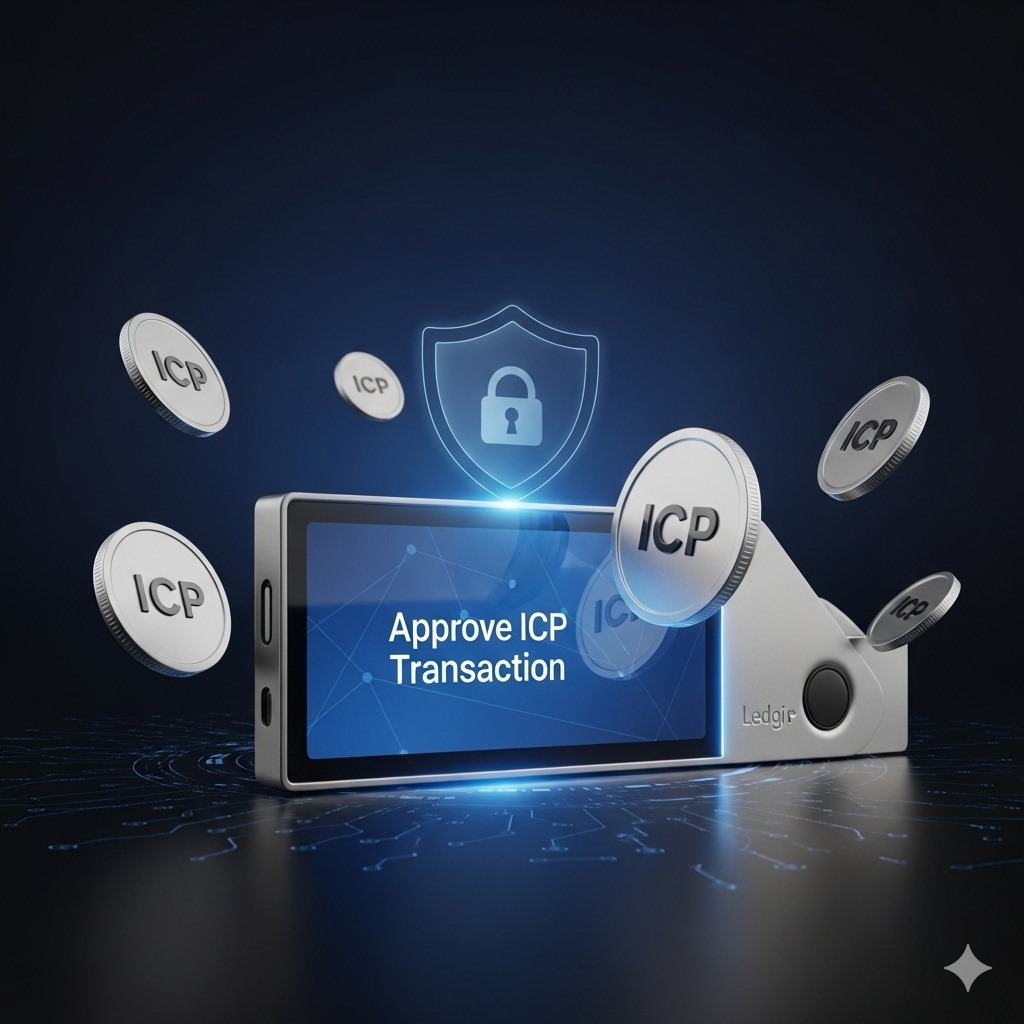
Ledger hardware wallet users will soon gain the ability to validate any Internet Computer transaction directly on their device, thanks to a feature developed with Zondax. The update introduces clear-signing, a function that allows users to see and verify the full details of a transaction before approving it.
Hardware wallets are designed to keep funds safe even if a user’s computer is compromised. They achieve this by limiting functionality and requiring that apps installed on them go through strict security checks. While this creates strong protections, it also makes updates slower. A side effect has been the rise of blind signing, where users approve transactions without being able to see what they are agreeing to. This practice undermines the very security that hardware wallets are meant to provide and has led to losses across the crypto space.
The clear-signing method for ICP is intended to end that problem. It uses chain-key cryptography so that each smart contract can determine how its transactions are displayed, backed by canister signatures. The hardware wallet then validates that information before allowing a user to proceed.
The system has been designed to scale, with capacity to handle tens of thousands of transactions per second. Developers can integrate it easily with existing wallet connections. For users, it means they will be able to swap, lend, borrow and provide liquidity with the reassurance that every transaction is fully visible on their Ledger device before they confirm.
This marks a step towards making ICP transactions more transparent and safer for those holding substantial token balances, without compromising on the core security model of hardware wallets.
Dear Reader,
Ledger Life is an independent platform dedicated to covering the Internet Computer (ICP) ecosystem and beyond. We focus on real stories, builder updates, project launches, and the quiet innovations that often get missed.
We’re not backed by sponsors. We rely on readers like you.
If you find value in what we publish—whether it’s deep dives into dApps, explainers on decentralised tech, or just keeping track of what’s moving in Web3—please consider making a donation. It helps us cover costs, stay consistent, and remain truly independent.
Your support goes a long way.
🧠 ICP Principal: ins6i-d53ug-zxmgh-qvum3-r3pvl-ufcvu-bdyon-ovzdy-d26k3-lgq2v-3qe
🧾 ICP Address: f8deb966878f8b83204b251d5d799e0345ea72b8e62e8cf9da8d8830e1b3b05f
🪙 BTC Wallet: bc1pp5kuez9r2atdmrp4jmu6fxersny4uhnaxyrxau4dg7365je8sy2q9zff6p
Every contribution helps keep the lights on, the stories flowing, and the crypto clutter out.
Thank you for reading, sharing, and being part of this experiment in decentralised media.
—Team Ledger Life