Liquidium Hits $9 Million in Bitcoin Yield for Lenders
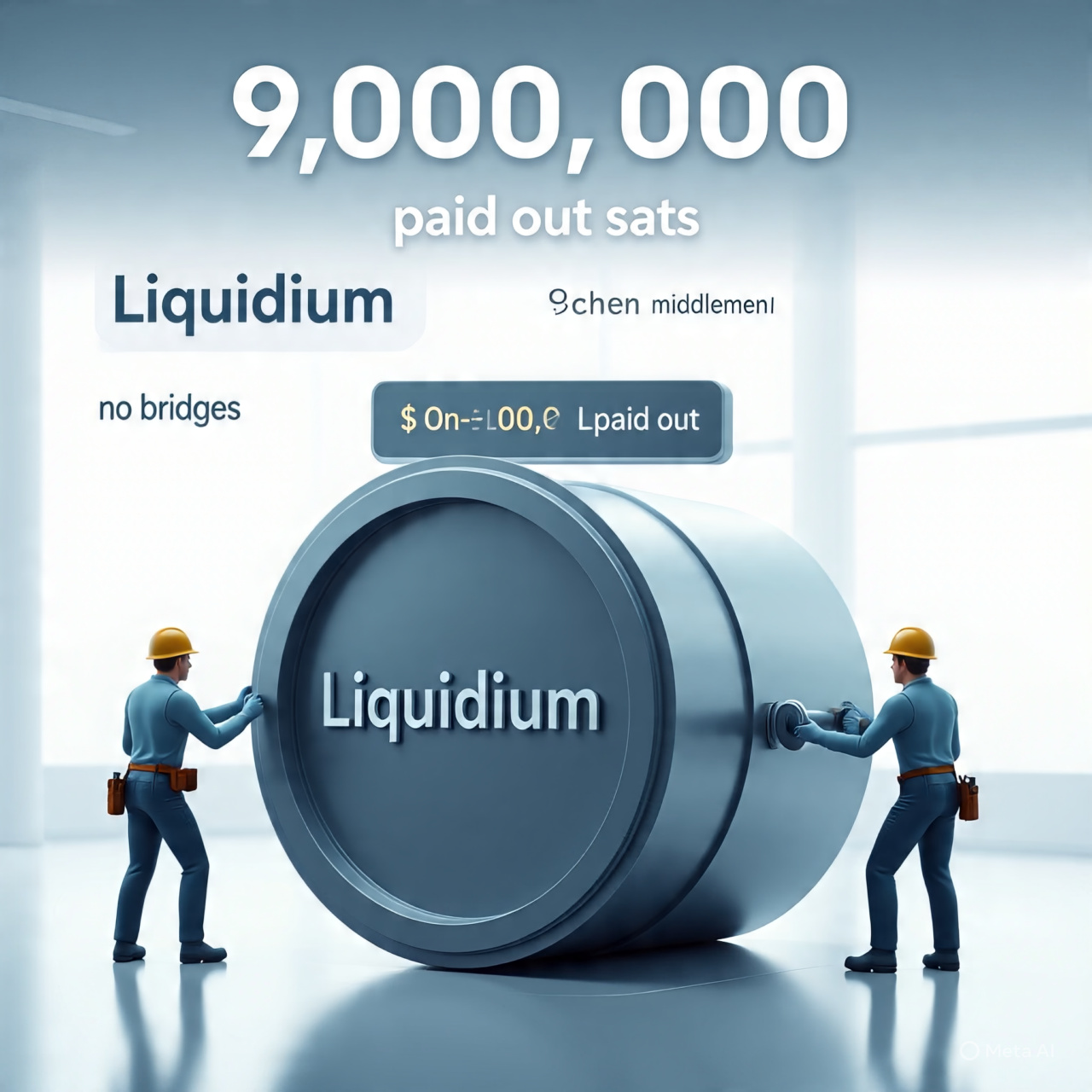
Liquidium, a lending platform built for Bitcoin ordinals and runes, has announced that it has now paid out more than 9 million dollars in yield to its lenders. The figure, framed as “free sats for Bitcoin DeFi users”, marks a milestone for the project, which has been developing its infrastructure over the past three years.
The platform positions itself as a fully on-chain alternative to traditional intermediaries. Loans are backed by Bitcoin without the need for bridges or custodial middlemen, a structure that aims to reduce counterparty risk while keeping activity native to the Bitcoin network. Supporters argue this approach has created one of the most resilient Bitcoin lending environments to date, with the project claiming to be the largest in its category.
Critics of Bitcoin-based decentralised finance had long questioned whether sustainable lending models could be built without the liquidity and tooling of other blockchains. Liquidium’s growing payout record is being used by its builders as evidence that the model can work, even under scepticism.
While the headline figures draw attention, the longer-term question is how sustainable these yields will remain in varying market conditions. Bitcoin lending platforms face challenges from price volatility, security considerations, and competition from more established DeFi ecosystems on Ethereum and other networks. Observers will be watching whether Liquidium can continue to expand without compromising on transparency, user safety, or the decentralisation it promotes.
For now, the $9 million paid out in Bitcoin yield has strengthened the project’s case that Bitcoin DeFi is not just theoretical, but a working model attracting lenders willing to lock capital for returns. The result adds weight to the argument that Bitcoin, traditionally seen as a store of value, can also support financial services without leaving its base chain.
Dear Reader,
Ledger Life is an independent platform dedicated to covering the Internet Computer (ICP) ecosystem and beyond. We focus on real stories, builder updates, project launches, and the quiet innovations that often get missed.
We’re not backed by sponsors. We rely on readers like you.
If you find value in what we publish—whether it’s deep dives into dApps, explainers on decentralised tech, or just keeping track of what’s moving in Web3—please consider making a donation. It helps us cover costs, stay consistent, and remain truly independent.
Your support goes a long way.
🧠 ICP Principal: ins6i-d53ug-zxmgh-qvum3-r3pvl-ufcvu-bdyon-ovzdy-d26k3-lgq2v-3qe
🧾 ICP Address: f8deb966878f8b83204b251d5d799e0345ea72b8e62e8cf9da8d8830e1b3b05f
🪙 BTC Wallet: bc1pp5kuez9r2atdmrp4jmu6fxersny4uhnaxyrxau4dg7365je8sy2q9zff6p
Every contribution helps keep the lights on, the stories flowing, and the crypto clutter out.
Thank you for reading, sharing, and being part of this experiment in decentralised media.
—Team Ledger Life