Menes Protocol Opens Public Sale as Multichain Pitch Gains Early Traction
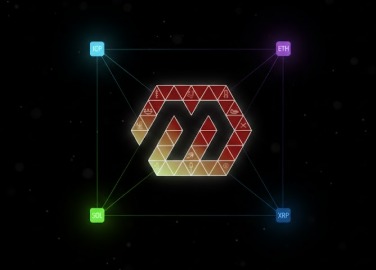
Menes Protocol has opened the public sale of its $MENES token, positioning itself as a fully on chain, multichain wallet and automation platform built on Internet Computer technology. Within the first days of launch, the team reports that roughly 23 per cent of the public allocation has been taken up, with just over 794,000 tokens sold from a 3.5 million public pool.
The sale dashboard shows a token price of $0.035, with payments accepted in ICP, ETH, SOL and XRP. At the time of writing, more than 8,000 ICP has been raised alongside smaller contributions in ETH, SOL and XRP. The overall sale target stands at 6.5 million tokens, with the remainder split between the public allocation and a separate Tjati Council allocation that has yet to begin.
The project’s messaging centres on a fully on chain frontend and backend, built on the Internet Computer and its Chain Key cryptography. According to the team, this architecture removes reliance on centralised servers and custodial intermediaries. Users are promised native asset control across multiple networks including Ethereum, Solana, Internet Computer and XRP, with no need for wrapped assets or traditional cross chain bridges.
That claim places Menes in a competitive and closely watched corner of the market. Cross chain infrastructure has long been a weak point in crypto, with bridge exploits responsible for some of the largest losses in recent years. Projects that argue for bridge free or natively secured multichain access often point to those incidents as evidence of structural risk in existing models. At the same time, technical assurances around security and decentralisation tend to require sustained scrutiny over time, particularly once platforms handle larger volumes of value.
Menes says its wallet is non custodial and designed for both retail users and automated agents. An SDK is already live, aimed at developers building multichain strategies or AI driven tools. The beta version of its on chain automation features has also been released, allowing users to test programmable strategies across supported networks.
Community response appears active. The team recently increased the maximum allocation per wallet from 50,000 to 200,000 tokens following requests from participants. Staking incentives are being promoted heavily, with high advertised APY for early entrants. A large portion of the early circulating supply is already staked, according to project communications, which could tighten liquid supply during the sale period.
Supporters frame the protocol as a unifying layer for fragmented ecosystems, appealing to traders, builders and automated systems alike. The pitch is straightforward: one wallet interface, access to multiple chains, and automation built directly into the infrastructure.
Sceptics, however, will likely look for independent audits, stress testing results and clarity around governance before drawing firm conclusions. Multichain promises are common, but delivering seamless, secure interoperability across networks with different virtual machines and consensus models remains a complex engineering task.
For now, the numbers suggest early momentum. If the current pace continues, the public allocation could close quickly, leaving only the higher threshold Tjati Council allocation available, which carries a minimum commitment of one million tokens.
As with any token launch, prospective buyers face familiar risks. Market conditions remain volatile, regulatory settings vary by jurisdiction, and early stage infrastructure projects can evolve rapidly from their initial roadmaps. Menes Protocol has put forward an ambitious technical blueprint. The coming months will show whether uptake, security and developer activity match the early enthusiasm seen in its opening week.
Dear Reader,
Ledger Life is an independent platform dedicated to covering the Internet Computer (ICP) ecosystem and beyond. We focus on real stories, builder updates, project launches, and the quiet innovations that often get missed.
We’re not backed by sponsors. We rely on readers like you.
If you find value in what we publish—whether it’s deep dives into dApps, explainers on decentralised tech, or just keeping track of what’s moving in Web3—please consider making a donation. It helps us cover costs, stay consistent, and remain truly independent.
Your support goes a long way.
🧠 ICP Principal: ins6i-d53ug-zxmgh-qvum3-r3pvl-ufcvu-bdyon-ovzdy-d26k3-lgq2v-3qe
🧾 ICP Address: f8deb966878f8b83204b251d5d799e0345ea72b8e62e8cf9da8d8830e1b3b05f
Every contribution helps keep the lights on, the stories flowing, and the crypto clutter out.
Thank you for reading, sharing, and being part of this experiment in decentralised media.
—Team Ledger Life