Musk unveils Tesla and SpaceX chip plant plan in Texas
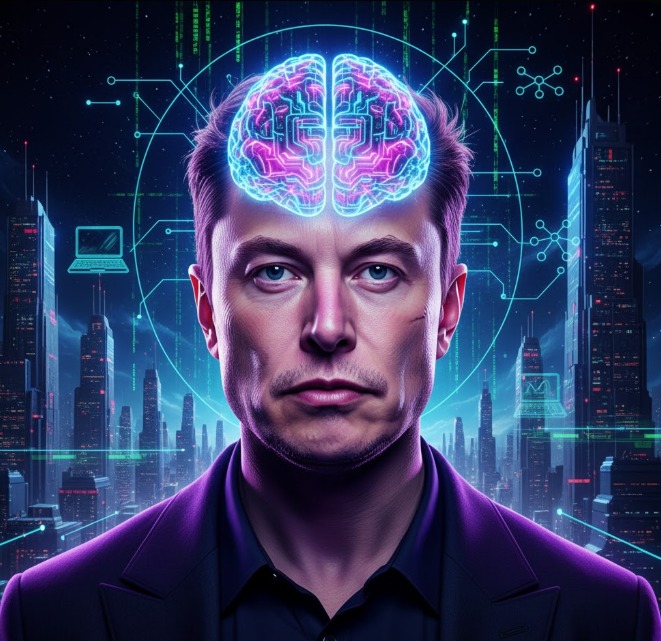
Elon Musk has announced plans for a joint semiconductor manufacturing facility involving Tesla and SpaceX, signalling a deeper push into chip production as demand for computing power rises.
The proposed site, referred to as “Terafab”, is expected to be built in Austin and would include two fabrication units. One would focus on chips tailored for Tesla’s artificial intelligence systems, while the other would support SpaceX’s ambitions around space-based data infrastructure.
Musk said existing suppliers are unlikely to meet the future requirements of both companies, pointing to increasing pressure on global semiconductor supply chains. His comments reflect a wider trend among technology firms seeking tighter control over critical components, particularly those linked to AI and high-performance computing.
The scale of the proposal is ambitious. Musk has suggested the facility could produce up to one terawatt of computing power annually, which he claims would exceed current US capacity by a wide margin. While the figure has yet to be independently verified, it highlights the pace at which demand expectations are shifting as AI systems become more resource-intensive.
For Tesla, the move aligns with its ongoing investment in autonomous driving and machine learning capabilities, areas that rely heavily on specialised chips. SpaceX, meanwhile, has been expanding its data and communications footprint through projects such as Starlink, and may require greater processing capacity to support future services.
Industry observers note that building and operating semiconductor fabrication plants is both capital intensive and technically demanding. Established players such as Intel and TSMC have spent decades refining their processes, and new entrants often face steep learning curves. Any timeline for Terafab remains unclear, and questions around funding, partnerships and regulatory approvals are likely to shape its progress.
There is also the broader context of government support for domestic chip production in the United States, driven by concerns over supply resilience and geopolitical risk. A project of this scale could attract attention from policymakers, particularly if it aligns with national efforts to expand manufacturing capacity.
Musk’s announcement adds to a growing list of initiatives aimed at securing computing resources for the next phase of AI development. Whether Terafab can meet its stated targets will depend on execution as much as ambition, with the coming years likely to test both.
Dear Reader,
Ledger Life is an independent platform dedicated to covering the Internet Computer (ICP) ecosystem and beyond. We focus on real stories, builder updates, project launches, and the quiet innovations that often get missed.
We’re not backed by sponsors. We rely on readers like you.
If you find value in what we publish—whether it’s deep dives into dApps, explainers on decentralised tech, or just keeping track of what’s moving in Web3—please consider making a donation. It helps us cover costs, stay consistent, and remain truly independent.
Your support goes a long way.
🧠 ICP Principal: ins6i-d53ug-zxmgh-qvum3-r3pvl-ufcvu-bdyon-ovzdy-d26k3-lgq2v-3qe
🧾 ICP Address: f8deb966878f8b83204b251d5d799e0345ea72b8e62e8cf9da8d8830e1b3b05f
Every contribution helps keep the lights on, the stories flowing, and the crypto clutter out.
Thank you for reading, sharing, and being part of this experiment in decentralised media.
—Team Ledger Life