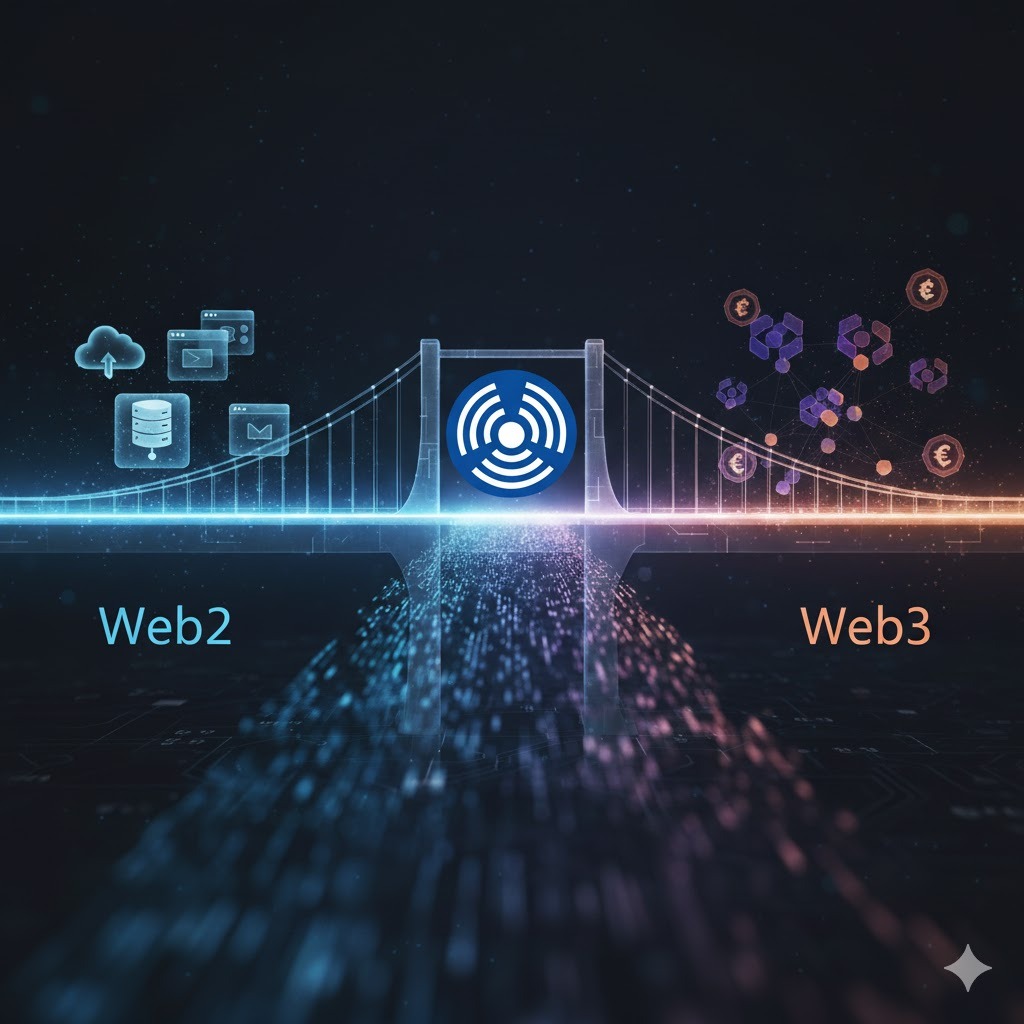
Reactor, a new messaging protocol built on the Internet Computer (IC), has been introduced as a bridge between traditional web systems and blockchain networks. It aims to make cross-environment communication cheaper, safer and easier to build, giving developers a unified way to connect Web2 and Web3 applications.
The protocol keeps all messages onchain, offering end-to-end transparency and reducing reliance on intermediaries. It’s designed to handle everything from cross-chain communication and Web2 integration to automation and random number generation, making it a versatile toolkit for developers building hybrid systems.
Reactor’s goal is to remove many of the barriers that typically slow down blockchain development. Current tools often require complex setups or third-party infrastructure to handle messaging between blockchains and external systems. Reactor replaces those with a single interface that manages the process natively. Its architecture supports multiple use cases, such as sending messages between smart contracts on different chains, pushing data from Web2 apps like Stripe or Twilio to blockchain contracts, and enabling randomised functions for gaming or lotteries.
One of its key claims is cost predictability. By eliminating node operator incentives, Reactor keeps per-message fees consistently low across supported chains. This could appeal to developers who have been deterred by fluctuating gas costs or unpredictable fee structures common in other networks.
Security is another focus. Reactor employs what it describes as “Level 5 Cross-Chain Security,” a layered approach that analyses message flows and applies risk management logic before transactions are executed. Its Sentinel component inspects and audits messages for suspicious activity, while the Core and Gateway components manage routing and message delivery across chains and Web2 endpoints.
The design builds on the Internet Computer’s ability to handle HTTP requests and run applications directly onchain. That allows Reactor to perform web service calls, manage scheduled tasks and coordinate transactions across networks — all without leaving the chain. Its Fee Manager smart contract tracks available payment tokens, calculates costs and maintains fee configurations across different destinations.
Practical examples of Reactor’s use include verifying NFT ownership across blockchains for loyalty or access programmes, recording token balance snapshots for compliance, or connecting cloud-based systems to decentralised ledgers. For gaming developers, Reactor’s random number generator and automation tools can replace central servers, creating fair and transparent game logic fully secured onchain.
What makes Reactor noteworthy is its aim to merge two traditionally separate worlds: the centralised web and decentralised networks. While Web3 promises transparency and ownership, much of the digital economy still runs on Web2 infrastructure. Reactor’s model gives developers a way to combine both — for instance, letting a smart contract react to a payment event from a traditional web service, or synchronising user data between a blockchain app and a cloud server.
As the conversation around interoperability grows, Reactor’s approach will likely attract interest from developers looking to build hybrid systems without heavy technical overhead. Whether it becomes a new standard for cross-environment messaging will depend on adoption across blockchains and how effectively it handles security and scaling challenges.
For now, Reactor presents a cleaner, more unified way for the web and blockchain ecosystems to speak to each other — an essential step toward making decentralised applications function more like the everyday digital services people already use.