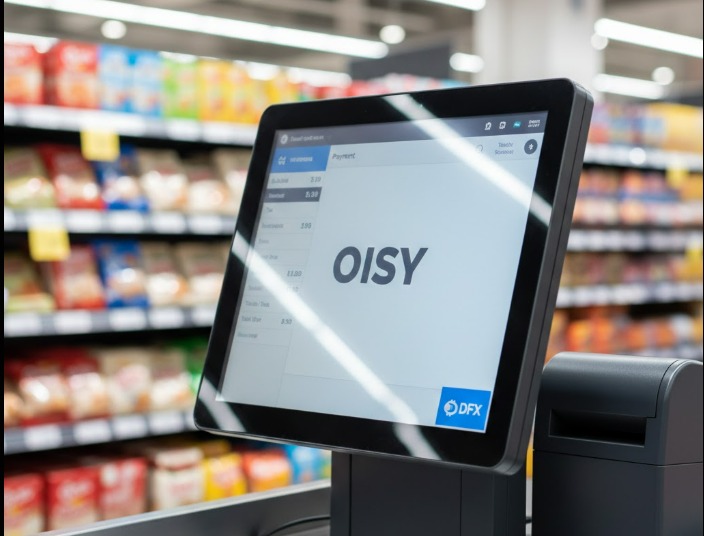
Customers at selected SPAR supermarkets across Switzerland can now pay with Bitcoin, following a new integration involving DFX Swiss and OISY Pay.
The rollout enables shoppers to settle purchases in BTC at checkout, with DFX Swiss handling the conversion and payment processing infrastructure. OISY Pay provides the user-facing wallet interface, allowing customers to scan and complete transactions directly from their phones.
SPAR operates one of the largest supermarket networks in Switzerland, serving both urban centres and smaller communities. While digital payment options are already widespread across the country, cryptocurrency acceptance at everyday retail locations remains relatively limited. This move places SPAR among a small but growing group of retailers testing real-world crypto payments beyond niche outlets.
DFX Swiss has focused on bridging traditional financial systems with digital assets, positioning itself as a compliant crypto to fiat payment provider within Switzerland and the wider European market. By integrating with SPAR’s checkout systems, the company aims to reduce friction for consumers who hold Bitcoin and want to use it for routine spending rather than long-term storage.
OISY Pay, meanwhile, offers a wallet solution designed to simplify crypto payments for retail use. The process is structured to resemble standard mobile payment flows, an approach intended to minimise disruption at tills and avoid delays for other customers.
Supporters argue that Switzerland’s regulatory clarity and high digital adoption rates make it a natural testing ground for retail Bitcoin payments. The country has developed a reputation for openness towards blockchain initiatives, particularly in regions such as Zug’s Crypto Valley. Expanding payment acceptance into mainstream supermarkets could help normalise the use of digital assets in daily commerce.
Sceptics, however, note that price volatility remains a challenge. Bitcoin’s exchange rate can fluctuate sharply, which may limit its appeal as a spending currency for many holders. Retailers must also weigh operational considerations, including accounting treatment and integration costs, even when third party providers handle conversion in real time.
For now, the integration appears structured to shield SPAR from direct exposure to Bitcoin price movements, with conversion occurring at the point of sale. That model mirrors other crypto payment trials globally, where merchants receive local currency while customers pay in digital assets.
Whether Swiss shoppers embrace the option in meaningful numbers remains to be seen. Yet the presence of Bitcoin at supermarket checkouts marks another incremental shift in how digital currencies intersect with everyday transactions.
Dear Reader,
Ledger Life is an independent platform dedicated to covering the Internet Computer (ICP) ecosystem and beyond. We focus on real stories, builder updates, project launches, and the quiet innovations that often get missed.
We’re not backed by sponsors. We rely on readers like you.
If you find value in what we publish—whether it’s deep dives into dApps, explainers on decentralised tech, or just keeping track of what’s moving in Web3—please consider making a donation. It helps us cover costs, stay consistent, and remain truly independent.
Your support goes a long way.
🧠 ICP Principal: ins6i-d53ug-zxmgh-qvum3-r3pvl-ufcvu-bdyon-ovzdy-d26k3-lgq2v-3qe
🧾 ICP Address: f8deb966878f8b83204b251d5d799e0345ea72b8e62e8cf9da8d8830e1b3b05f
Every contribution helps keep the lights on, the stories flowing, and the crypto clutter out.
Thank you for reading, sharing, and being part of this experiment in decentralised media.
—Team Ledger Life