Dom outlines vision for Internet Computer 2.0 and future of ecosystem
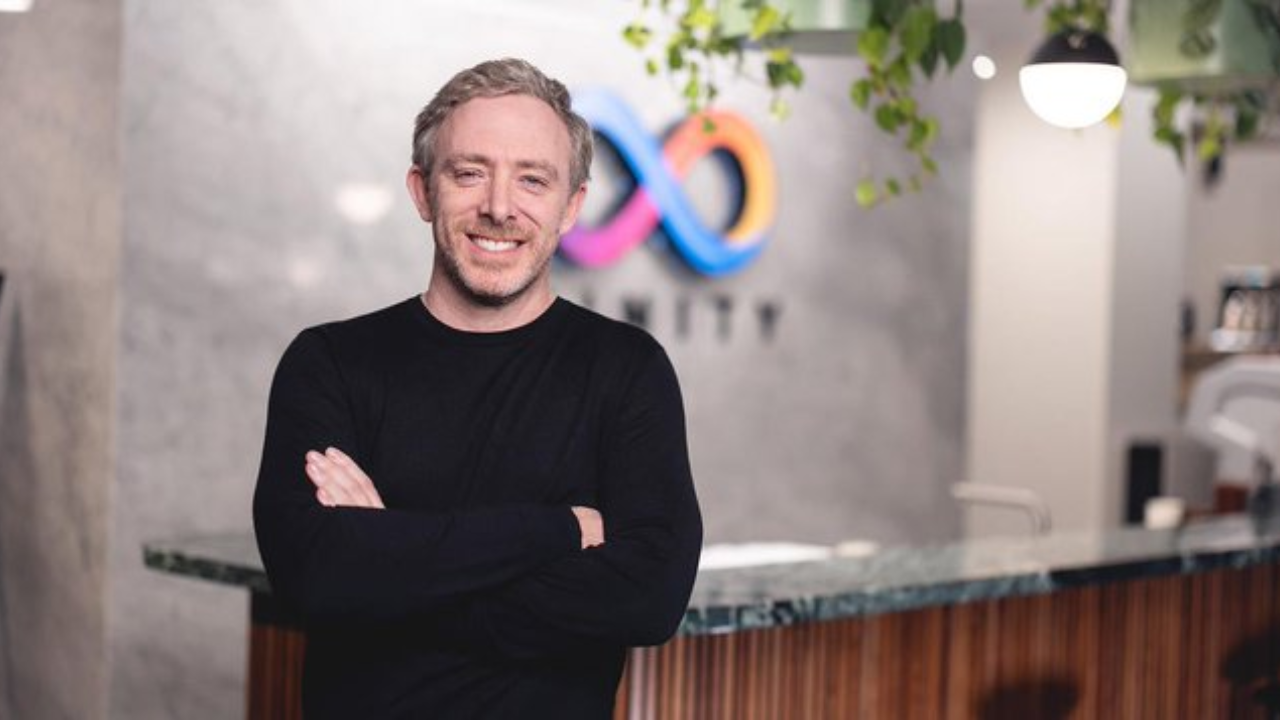
Dominic Williams, the founder and chief scientist of DFINITY Foundation, has shared a detailed update on the direction of the Internet Computer (ICP) ecosystem, titled “Internet Computer 2.0”. In the post, Williams discusses how the platform is evolving to support self-writing applications that can be developed through plain-English prompts, and explains changes to the foundation’s structure as well as token-economics optimisations.
Williams begins by revisiting the origins of the DFINITY Foundation, which was established in Switzerland in October 2016 to pursue the Internet Computer vision. He emphasises that the foundation was designed to operate as an independent not-for-profit organisation, in contrast to many other blockchain ecosystems that are led by for-profit companies such as Solana Labs, Ava Labs, IOHK (for Cardano) and others. The aim, according to Williams, has been to maintain neutrality and focus on the technology itself rather than external profit‐motives.
Turning to the future, Williams explains that Internet Computer 2.0 will place greater emphasis on “self-writing apps” in which users engage with artificial intelligence rather than traditional coding to create, deploy and run software within the network. He positions this shift as part of a broader goal to deliver mainstream cloud-style functionality via blockchain, meaning traditional app deployment and web infrastructure would be replaced or augmented by on-chain architecture. The post also refers to “DFINITY 2.0” to denote the foundation’s evolving role and mentions plans to encourage for-profit ventures in conjunction with the ecosystem.
Token-economics receive attention as well. Williams states that the network will introduce deflationary optimisations, though details remain light at this stage. The aim appears to be reducing inflationary pressure on ICP tokens and aligning supply mechanics with the expanding utility of the network.
While the message projects ambition, it also raises questions about the pace and feasibility of the roadmap. The transition to self-writing apps is a bold goal, and observers will want to see clear milestones, technical publishing and adoption signals to judge progress. Moreover, the interplay of a foundation operating alongside for-profit ventures could introduce governance and alignment challenges. Some may ask whether the not-for-profit ethos can be preserved as commercial activity increases.
Williams’ update provides a read-through of the philosophy behind the foundation model versus a company model. He notes that foundations carry a duty to pursue a defined purpose—developing the technology and supporting its ecosystem—rather than maximising shareholder returns. However, he acknowledges that the industry trend has often seen for-profit companies dominate the launch and control of blockchain networks, with foundation entities emerging later.
The post is written in relatively technical language but placed in more accessible context, signalling that Williams intends this communication for both developers and community members. It arrives at a time when Web3 projects are under pressure to show tangible user numbers, real-world use cases and economic sustainability; the Internet Computer’s unique proposition of hosting AI and full-stack services on-chain sets it apart, but it also puts the project under added scrutiny.
For current and prospective ecosystem participants—developers, node-operators, investors and users—the announcement offers both opportunity and caution. On one hand, the promise of easier app creation, lower infrastructure friction and new economic models is appealing. On the other hand, execution risks and the transition timeline remain significant variables.
Williams closes by reaffirming the foundation’s origins and intention: to serve as a neutral judge and steward of the technology rather than a profit-driven enterprise. Whether the community at large shares that view—or whether commercial imperatives will shift the balance—remains a live question.
Overall, the update is notable for its broad ambition and prompts a closer look at how the Internet Computer ecosystem will evolve in the months ahead.
Dear Reader,
Ledger Life is an independent platform dedicated to covering the Internet Computer (ICP) ecosystem and beyond. We focus on real stories, builder updates, project launches, and the quiet innovations that often get missed.
We’re not backed by sponsors. We rely on readers like you.
If you find value in what we publish—whether it’s deep dives into dApps, explainers on decentralised tech, or just keeping track of what’s moving in Web3—please consider making a donation. It helps us cover costs, stay consistent, and remain truly independent.
Your support goes a long way.
🧠 ICP Principal: ins6i-d53ug-zxmgh-qvum3-r3pvl-ufcvu-bdyon-ovzdy-d26k3-lgq2v-3qe
🧾 ICP Address: f8deb966878f8b83204b251d5d799e0345ea72b8e62e8cf9da8d8830e1b3b05f
🪙 BTC Wallet: bc1pp5kuez9r2atdmrp4jmu6fxersny4uhnaxyrxau4dg7365je8sy2q9zff6p
Every contribution helps keep the lights on, the stories flowing, and the crypto clutter out.
Thank you for reading, sharing, and being part of this experiment in decentralised media.
—Team Ledger Life