ic-cdk v0.18.2 Fixes Version Clash with Cleaner Build Rules
Developers working with the Internet Computer SDK just got a helpful nudge toward smoother builds. The latest release of ic-cdk, version 0.18.2, comes with a key compatibility boost, aiming to eliminate a class of issues that have been tripping up users—not because of bugs, but because of version mismatches hiding in plain sight.
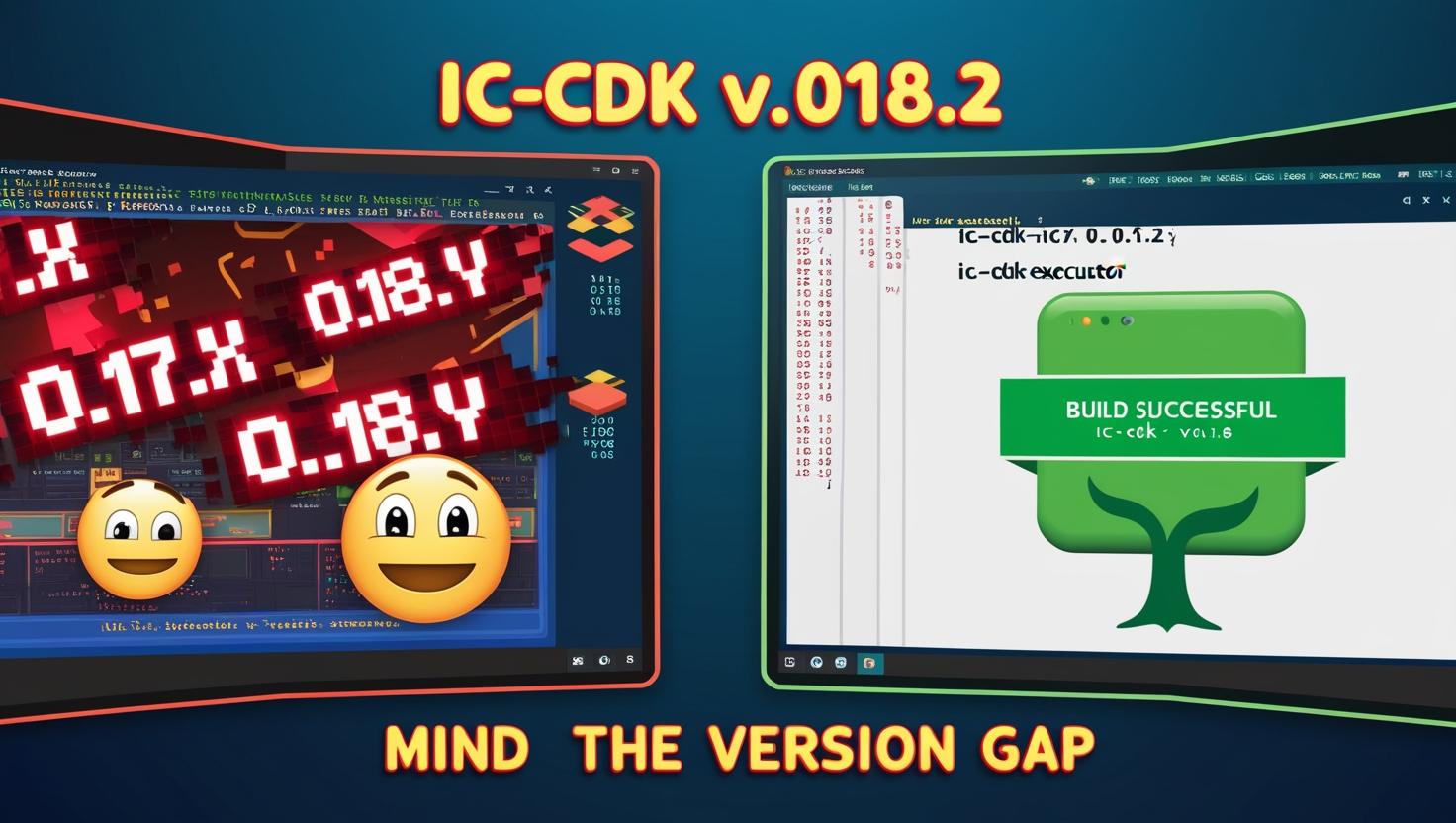
This update isn’t a response to any new breakage. It’s about catching an old problem in a new way. The development team noticed that some projects were running into runtime issues despite everything compiling without complaint. Digging deeper, the culprit turned out to be dependency trees mixing major versions—like 0.17.x libraries pulled in alongside 0.18.y code. This kind of mismatch doesn’t always announce itself early, which makes it frustrating to spot and tedious to untangle.
The team’s solution is both a cleanup and a futureproofing effort. They’ve pulled out the async executor component from ic-cdk and given it its own library, now called ic-cdk-executor. That change isn’t just cosmetic. It’s a structural move designed to make version 0.18.2 play more nicely with later updates. With this separation in place, ic-cdk can now evolve without dragging those compatibility issues along behind it.
To tidy up the past, they’ve gone back and issued new patch releases for every major ic-cdk version from 0.8 up to 0.17. These new patches are built to talk to each other correctly, so developers sticking with those versions aren’t left behind. The earlier, non-compatible versions for those major releases have now been officially yanked, helping to clear the clutter and guide teams toward the safe and supported path.
Perhaps the most immediate improvement is one that saves developers from head-scratching later on. Projects that attempt to mix 0.17 and 0.18 versions in their dependencies will now hit a compile-time error. Far from cryptic, the error will include a direct link to the team’s troubleshooting guide, giving users a clear way to fix the issue before it ever becomes a runtime headache.
For teams maintaining existing code, the recommendation is to move to the latest patch version within your current major series. Even if you’re not making the jump to 0.18 just yet, upgrading within the same major version will help sidestep potential friction when your dependencies start updating independently. If you are ready to move forward, the migration guide from 0.17 to 0.18 is already available to make the transition less daunting.
This kind of issue—where packages with differing major versions slip quietly into a project—isn’t unique to ic-cdk. It’s a common pain point across software ecosystems that use semantic versioning. The snag often isn’t that developers make a direct mistake, but that one dependency quietly introduces another version, and before long, incompatible assumptions end up living side by side.
That’s what makes this update a smart one. By shifting the executor into its own space and tightening the compile-time checks, the team is signalling that they’re thinking not just about current stability, but about the long-term health of the SDK and the projects that rely on it.
Rather than attempting to catch every possible combination of mistakes at runtime—or writing increasingly elaborate documentation—the approach here relies on hard constraints and fast feedback. This aligns with a philosophy that many developers appreciate: fail early, fail clearly, and preferably, fail with a link to a fix.
What might feel like a minor patch version number masks the fact that this is a considered and proactive piece of maintenance work. It acknowledges a subtle class of problems that don’t always show up in changelogs but have real-world consequences—particularly in larger teams or projects with sprawling dependency graphs.
The decision to yank older releases that don’t conform to the new compatibility pattern helps simplify the picture for everyone. It reduces the chances of someone accidentally pulling in an incompatible version, especially if they’re relying on package managers to resolve dependencies automatically. It also encourages consistency across the ecosystem, which can only help as more developers start to build on the Internet Computer platform.
While ic-cdk 0.18 brought in its own improvements when it first launched, this point release refines that foundation, bringing it closer to a model that can stand up to the kind of real-world use cases developers are increasingly throwing at it. Having a separate executor library might also open up more targeted improvements to the async system in future without impacting the broader SDK.
As ever, the work of dependency management often goes unnoticed until it causes a problem. This update flips that on its head by addressing a set of pain points before they erupt—and doing so in a way that leaves the whole stack cleaner than it was before. It rewards developers who stay current with fewer surprises and makes sure that surprises, when they happen, are easier to trace and fix.
No drama, no fireworks—just a quiet step towards a more predictable and developer-friendly future. With 0.18.2 now out in the wild, and the older versions updated to fall in line, the SDK’s ecosystem is looking a little leaner, a little smarter, and a lot more manageable. For anyone who’s ever chased a version conflict down a dependency tree, that’s more than enough to appreciate.