Late Payments Climb as Buy Now, Pay Later Use Deepens
A growing share of Buy Now, Pay Later users are falling behind on repayments, adding fresh pressure to a sector built on convenience and speed. New survey data shows 47 per cent of users paid late on at least one BNPL loan over the past year, a rise of six percentage points from 2025 and thirteen points over two years.
The increase comes alongside heavier usage. A quarter of borrowers now hold three or more active BNPL loans at the same time, with uptake concentrated among younger consumers, particularly Gen Z and Millennials. The pattern points to a shift from occasional use to a more embedded form of short term credit.
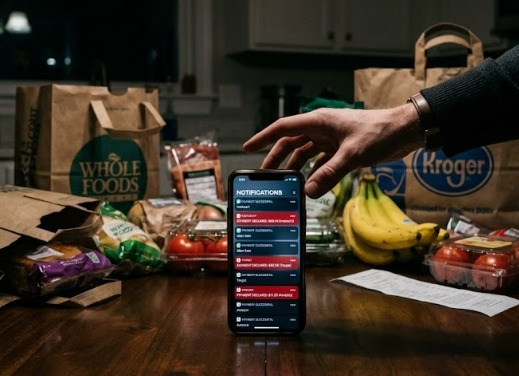
Spending habits are changing too. Nearly three in ten users report turning to BNPL for groceries, while one in five use it for restaurant delivery or takeaway. What began as a tool for discretionary purchases is now edging into everyday essentials, a trend that raises questions about household resilience.
Demographic splits suggest uneven risk. Higher income borrowers, younger adults, men and parents with young children are among those most likely to miss payments. That mix complicates the usual picture of financial strain, as late payments are not confined to lower income groups.
Industry forecasts remain upbeat. Transaction volumes are expected to reach $687 billion by 2028, up from $334 billion in 2024, reflecting continued expansion across retail and digital platforms. Providers argue that BNPL offers flexibility and transparency compared with traditional credit, often without interest when payments are made on time.
Consumer advocates take a more cautious view. They warn that stacking multiple loans can make repayment schedules harder to track, especially when purchases shift from one off items to recurring needs. Late fees, while often modest on a single purchase, can build across several plans.
Regulators are watching closely as usage widens. The combination of rising late payments and broader adoption in daily spending has sharpened the focus on affordability checks and clearer disclosures. Some policymakers have already signalled interest in aligning BNPL oversight with other forms of credit.
For households, the appeal is clear. BNPL can smooth short term cash flow and spread costs without the friction of traditional borrowing. The recent data, however, suggests that reliance is growing at a time when budgets remain tight, and that missed payments are becoming more common as a result.
The direction of travel is not yet fixed. Continued growth in transaction volumes points to strong demand, but rising delinquencies may test both lenders and users. Whether BNPL remains a convenient tool or becomes a source of strain will depend on how both sides adjust to this next phase.
Dear Reader,
Ledger Life is an independent platform dedicated to covering the Internet Computer (ICP) ecosystem and beyond. We focus on real stories, builder updates, project launches, and the quiet innovations that often get missed.
We’re not backed by sponsors. We rely on readers like you.
If you find value in what we publish—whether it’s deep dives into dApps, explainers on decentralised tech, or just keeping track of what’s moving in Web3—please consider making a donation. It helps us cover costs, stay consistent, and remain truly independent.
Your support goes a long way.
🧠 ICP Principal: ins6i-d53ug-zxmgh-qvum3-r3pvl-ufcvu-bdyon-ovzdy-d26k3-lgq2v-3qe
🧾 ICP Address: f8deb966878f8b83204b251d5d799e0345ea72b8e62e8cf9da8d8830e1b3b05f
Every contribution helps keep the lights on, the stories flowing, and the crypto clutter out.
Thank you for reading, sharing, and being part of this experiment in decentralised media.
—Team Ledger Life