Witness This: ODOC Puts Contracts on Chain and Trust on Trial
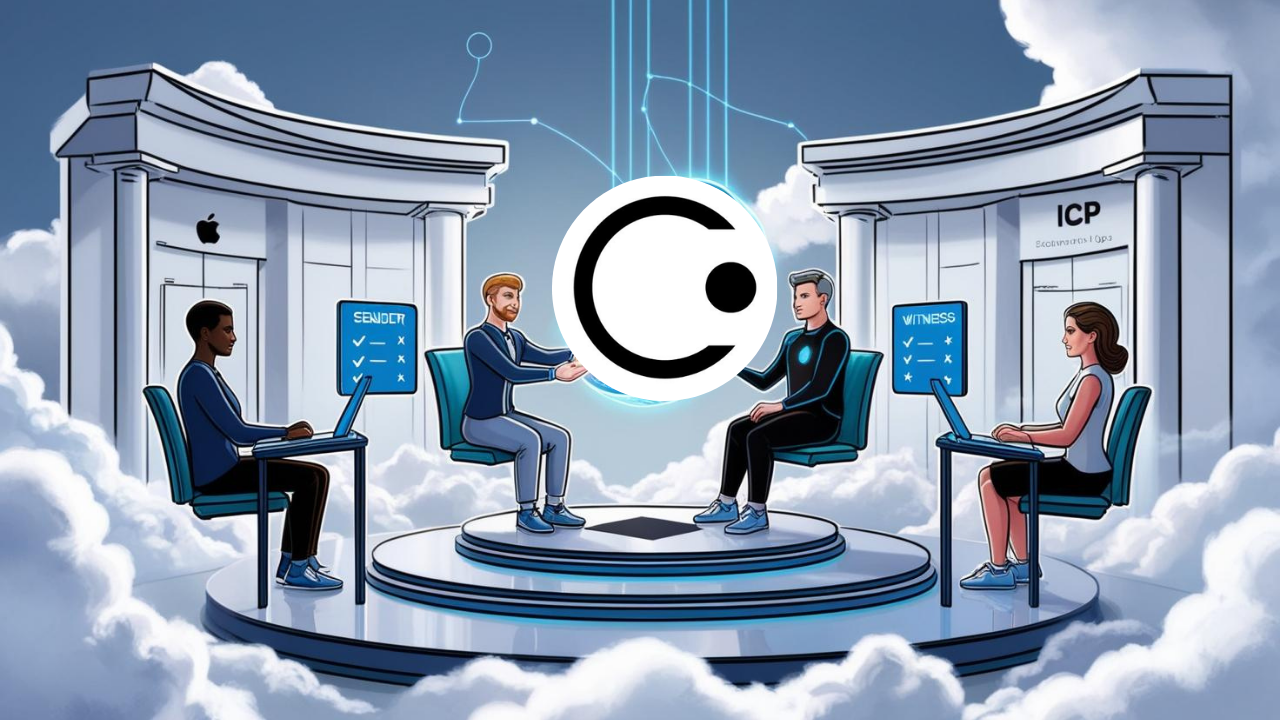
Trust is one of the hardest things to scale on the internet. Long before artificial intelligence or virtual reality took centre stage, people were trying to figure out how to make agreements online without getting burned. Contracts, disputes, shady freelancers, ghosting clients—it’s been a mess. ODOC wants to fix all that, and it’s doing so in a way that actually uses blockchain the way it was originally imagined: for agreements that can’t be fiddled with after the fact.
Not an NFT marketplace. Not a game. Not a place to chat. ODOC isn’t trying to be yet another shiny platform promising a future it hasn’t quite built yet. Instead, it’s gone ahead and launched the first ICP (Internet Computer Protocol) website that genuinely puts the blockchain to use in solving a massive practical problem—how people agree to do things together online, and what happens when those agreements go sideways.
At the core of the platform is a simple idea: make contracts easy, enforceable, and trust-based—with real consequences. Whether you’re a client looking to hire someone for a project, or a freelancer offering your services, ODOC lets both parties set up an agreement that’s witnessed, stored, and managed via blockchain. The chain acts not just as a ledger, but as a shared brain that remembers everything and won’t let you edit the past. Once a contract is in place, it’s locked in—transparently and permanently.
The real kicker, though, is the addition of witnesses. That’s where ODOC gets interesting. Every contract on the platform can include designated witnesses—people who are trusted by both the sender and the receiver. Before anything moves forward, the sender and receiver both have to agree on who the witnesses are, and the witnesses themselves have to verify their identity and confirm their role. If a dispute ever comes up, these witnesses are the ones who vote. It’s human judgment layered onto digital infrastructure, and it creates a way to handle disagreements without needing a third-party platform, customer support team, or lawyer.
This makes ODOC a bit of a rare beast in the current tech climate. Most blockchain projects still lean towards collectibles, tokens, or play-to-earn models. ODOC instead offers a use case that doesn’t require you to gamble, speculate, or understand crypto jargon. If you’ve ever been paid late, not paid at all, or had to chase someone for a deliverable, you already understand why this matters. Blockchain becomes the structure that holds people to their word—without making the whole process overly technical or confusing.
It’s a bit like a contract meeting a group chat meeting a court, all happening in one place. But rather than bloating the process with layers of legal language, ODOC tries to keep things clean. You start a contract, you pick your counterpart, you choose your witnesses, and the work begins. If everything goes smoothly, the transaction is recorded, rated, and settled. If not, the witnesses are pinged in to review and vote on the case.
All this ties into a wider reward system that’s designed to encourage good behaviour. ODOC will be launching its TGE (Token Generation Event) through SNS (Service Nervous System), and part of that includes rewarding the platform’s early users. Whether you’re hiring or getting hired, using the platform will count towards your trust score—a key metric that reflects how reliable you’ve been. The higher your trust score, the more you stand to gain once token rewards are distributed.
Trust scores will start to matter more than likes, upvotes, or stars. They won’t just show up on your profile for decoration. They’ll shape how you’re seen on the platform, and eventually how much you can earn. At launch, rewards will be available for users with trust scores starting from 3+, with more incentives kicking in once you hit 4.5+.
That’s a clever way to nudge people into actually doing what they say they’ll do—on time, to spec, and without excuses. And it flips the usual token model on its head. Instead of rewarding people for holding a token or staking it, ODOC gives rewards for using the platform properly. For showing up, delivering work, paying on time, and being a solid part of the community. It’s a social contract model that gets measured and logged.
On the surface, ODOC might not seem flashy. There are no avatars, no AI bots answering your questions, no endless dashboard of speculative assets. What it offers is structure, simplicity, and accountability. And that might be exactly what online freelancers and businesses need right now. With remote work becoming the default for so many industries, the demand for reliable digital contracts has never been higher.
The current landscape is cluttered. There are platforms that try to solve the trust issue by sitting in the middle and taking a cut—think Upwork or Fiverr. But ODOC sidesteps the middleman model. It’s not taking a slice of your payment, and it’s not interested in gatekeeping the process. Instead, it gives people the tools to manage trust themselves. Contracts are peer-to-peer, but verifiable. Disputes are handled socially, but with transparency. Tokens come into play not as a gamble, but as a reward for consistency.
Of course, none of this works unless people show up and start using it. That’s where the incentive structure makes a difference. Early adopters won’t just be beta testers—they’ll be rewarded for shaping the early culture of the platform. The idea is to build a place where trust has a score, agreements are easy to manage, and disputes don’t spiral into chaos.
There’s something oddly refreshing about the whole thing. In a tech world obsessed with selling visions of the future, ODOC offers a product that works right now. A straightforward platform for making and managing online contracts, powered by a blockchain that doesn’t ask you to care about coins or market charts. It’s a bit like the original promise of the internet—people connecting, making things together, and holding each other to account.
If you’re tired of chasing invoices, wondering if your freelancer will ghost you, or just want a better way to formalise project work, ODOC might be worth a look. Contracts shouldn’t be scary. Trust shouldn’t be a gamble. And tech shouldn’t make things harder than they need to be.
The platform is live, the reward system is on the way, and the witnesses are ready.